Table of Contents >> Show >> Hide
- Quick cheat sheet: the 8 vitamins and what they do
- Before supplements: one reality check (and one pep talk)
- 1) Biotin (Vitamin B7): the famous one (with a plot twist)
- 2) Vitamin D: the “quietly essential” hair and skin vitamin
- 3) Vitamin C: collagen’s best friend (and your “glow” wingman)
- 4) Vitamin E: antioxidant support (with a “don’t mega-dose” reminder)
- 5) Vitamin A: skin turnover superstar (but dose matters)
- 6) Vitamin B12: the “energy and blood” vitamin that can show up on your hairline
- 7) Folate (Vitamin B9): the fast-growth helper
- 8) Niacin (Vitamin B3): the skin-signals vitamin
- How to choose hair, skin, and nails supplements in 2025 (without getting played)
- FAQs (because your group chat will ask)
- Real-world experiences in 2025: what people actually notice (and what they don’t)
- Conclusion
If your hairbrush is collecting more hair than your head seems willing to spare, your skin is acting like it’s in a long-term relationship with dullness,
and your nails are breaking like they’re auditioning for a glass-shattering sound effectwelcome. You’re not alone, and you’re also not doomed.
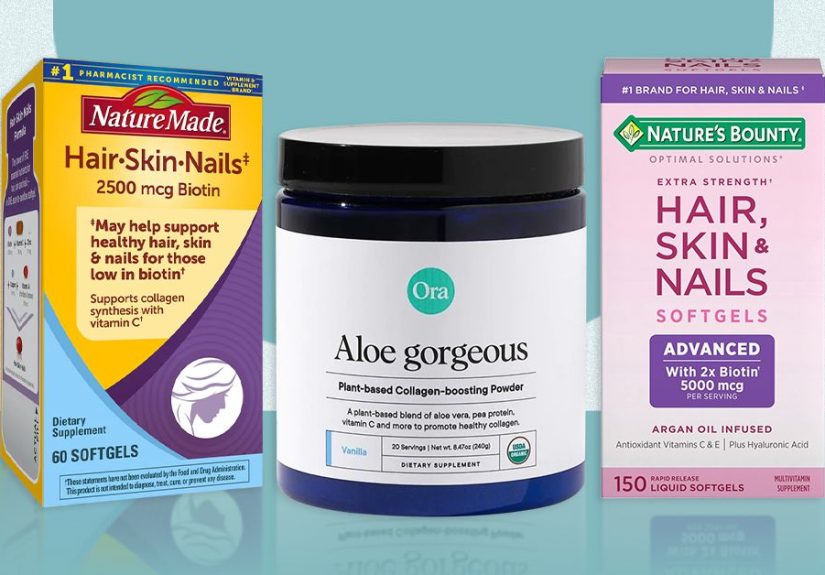
In 2025, “hair, skin, and nails” vitamins are everywhere: gummies, capsules, liquids, powders that promise mermaid hair and “glow-from-within” energy.
The truth is less magical and more useful: vitamins can help when you’re low on them (and sometimes when your diet is simply inconsistent), but they’re not
instant paint for your biology. Think “support team,” not “fairy godmother.”
This guide breaks down the best vitamins for hair, skin, and nails with practical, science-grounded contextplus what to eat, what to
supplement (if anything), and how to avoid turning “self-care” into “why is my lab work weird?”
Quick cheat sheet: the 8 vitamins and what they do
Here’s the headline version before we get deliciously nerdy. (Yes, you can be both.)
| Vitamin | Best known for | Helpful for | Food-first MVPs |
|---|---|---|---|
| Biotin (B7) | Keratin support, deficiency-related brittle nails | Nails, hair (mostly when deficient) | Eggs, salmon, nuts, seeds |
| Vitamin D | Follicle cycling + immune function | Hair shedding patterns, overall skin barrier | Fatty fish, fortified dairy/alt milk, sunlight (smartly) |
| Vitamin C | Collagen building + antioxidant defense | Skin firmness, wound healing, iron absorption | Citrus, peppers, strawberries, broccoli |
| Vitamin E | Fat-soluble antioxidant | Skin protection support, scalp oxidative stress balance | Almonds, sunflower seeds, avocado |
| Vitamin A | Cell turnover + skin regulation | Skin texture (too much can backfire) | Sweet potato, carrots, leafy greens (beta-carotene) |
| Vitamin B12 | Red blood cells + nerve function | Hair vitality via overall health (deficiency matters) | Meat, fish, eggs, dairy; fortified foods for plant-based diets |
| Folate (B9) | DNA synthesis + cell division | Fast-growing tissues (hair follicles, nails) | Leafy greens, beans, lentils, fortified grains |
| Niacin (B3) | Energy metabolism + skin health (deficiency shows on skin) | Skin resilience; circulation-related “support” | Poultry, tuna, peanuts, whole grains |
Before supplements: one reality check (and one pep talk)
Your hair, skin, and nails are made mostly of proteins (hello, keratin) and constantly renewing cells. Vitamins help run the “factory,” but they can’t do
much if the factory already has enough supplies. That’s why many studies show the biggest improvements when a person has a deficiency to correct.
The pep talk: fixing a shortfall can be a game-changer. The reality check: even in the best scenario, you’re working with biology timelines.
Hair growth cycles run in months, and fingernails grow only a few millimeters per month. So if a bottle promises results in five days, it’s probably
promising the confidence of a placebo… which is still a kind of glow, but not the kind your dermatologist means.
1) Biotin (Vitamin B7): the famous one (with a plot twist)
Why it matters for hair, skin, and nails
Biotin is a B vitamin involved in metabolismbasically helping your body turn food into usable energy. When biotin is truly low, signs can include
brittle nails, hair loss, and certain skin rashes. That’s the origin story behind “biotin for hair growth.”
The plot twist: for most healthy people, biotin deficiency is uncommon, and evidence for dramatic hair gains in already-sufficient adults is limited.
Translation: biotin can be helpful, but it’s not guaranteed to turn your ponytail into a shampoo commercial.
Food sources
- Eggs (especially yolkssorry, egg-white-only era)
- Salmon and other fish
- Nuts and seeds
- Organ meats (not trendy, but extremely nutrient-dense)
Smart supplement tips
- Look for sensible dosing. Many “beauty” products contain mega-doses far above typical daily needs.
- Be patient. Nails might show changes sooner than hair, but “sooner” is still weeks to months.
Safety note: biotin can mess with lab tests
This is the 2025 PSA you actually want to hear: high-dose biotin can interfere with certain lab tests (including some cardiac and thyroid tests),
potentially producing misleading results. If you take biotin, tell your clinician before blood workespecially if you’re being evaluated for
something urgent.
2) Vitamin D: the “quietly essential” hair and skin vitamin
Why it matters
Vitamin D acts like a hormone in the body and plays a role in immune regulation and cell growth. Hair follicles are busy little structures, and vitamin D
status is frequently discussed in the context of certain hair shedding and scalp conditions.
How to know if it’s relevant to you
People who get minimal sun exposure, live in northern climates, have darker skin, or avoid fortified foods can be at higher risk of low vitamin D.
If hair shedding is persistent or sudden, checking vitamin D is a common “basic labs” move in clinical settings.
Food sources
- Salmon, sardines, and other fatty fish
- Fortified milk and plant milks
- Fortified cereals (check labels)
- Egg yolks
Supplement tips
Vitamin D is one of those nutrients where “more” is not “better.” If you supplement, aim for a dose that makes sense for your situation (ideally guided by
a blood level) and avoid piling on multiple vitamin D sources without realizing it.
3) Vitamin C: collagen’s best friend (and your “glow” wingman)
Why it matters
Vitamin C is required for collagen synthesis, the structural protein that helps keep skin resilient and supports connective tissue.
It’s also a major antioxidant and helps regenerate other antioxidants (including vitamin E). If you care about skin firmness and recovery, vitamin C is
the responsible adult in the room.
Bonus benefit: iron absorption
Vitamin C improves absorption of non-heme iron (the kind found in plant foods). That matters because iron status is often discussed in the hair-loss
conversation. Vitamin C doesn’t replace ironbut it can help your diet work smarter.
Food sources
- Red and green bell peppers
- Citrus fruits and juices
- Strawberries, kiwi
- Broccoli, Brussels sprouts
Supplement tips
If you already eat fruits and vegetables daily, you may not need a supplement. If you don’t (no judgmentlife happens), vitamin C is often a low-drama
option in reasonable doses. Ultra-high doses can cause GI upset for some people, so your stomach gets a vote here.
4) Vitamin E: antioxidant support (with a “don’t mega-dose” reminder)
Why it matters
Vitamin E is a fat-soluble antioxidant that helps protect cells from oxidative stress. Skin and scalp are constantly exposed to UV light, pollution, and
general lifeso antioxidants are part of the support system for healthy-looking skin.
Food sources
- Almonds and hazelnuts
- Sunflower seeds
- Avocado
- Vegetable oils (sunflower, safflower)
Supplement tips
Food sources are ideal because they come packaged with other beneficial compounds. High-dose vitamin E supplements can increase bleeding risk in some
contexts and may interact with certain medications (for example, anticoagulants). If you’re on blood thinners or have surgery planned, ask your clinician
before supplementing.
5) Vitamin A: skin turnover superstar (but dose matters)
Why it matters
Vitamin A supports cell growth and differentiationtranslation: it influences how skin cells develop and renew. That’s why vitamin A derivatives (retinoids)
are famous in skincare. Adequate vitamin A helps maintain normal skin and mucous membranes.
Food sources
There are two “styles” of vitamin A:
- Preformed vitamin A (retinol) from animal foods
- Provitamin A carotenoids (like beta-carotene) from colorful plants
For most people, getting vitamin A from plant sources is a safer long-term strategy because the body converts beta-carotene as needed.
Supplement tips + safety
Vitamin A is fat-soluble, meaning it can accumulate. Too much preformed vitamin A can be harmful, and high intakes are especially concerning during
pregnancy. If you supplement, be conservativeand consider prioritizing beta-carotene-containing foods instead.
6) Vitamin B12: the “energy and blood” vitamin that can show up on your hairline
Why it matters
Vitamin B12 supports red blood cell formation and neurological function. While it’s not a “hair vitamin” in the marketing sense, B12 deficiency can
affect overall health in ways that may show up as fatigue, pallor, and sometimes hair changesespecially when paired with other nutrient shortfalls.
Who’s more likely to need attention here
- People eating fully plant-based diets without consistent B12-fortified foods
- Adults over 50 (absorption can decline with age)
- People on long-term metformin or acid-suppressing meds (ask your clinician)
Food sources
- Fish, meat, poultry
- Eggs and dairy
- Fortified cereals and nutritional yeast (check labels)
Supplement tips
If you’re at risk, a basic supplement can be a practical insurance policy. B12 is water-soluble, and typical supplemental doses are often much higher than
the daily requirement because absorption is limited per dose.
7) Folate (Vitamin B9): the fast-growth helper
Why it matters
Folate supports DNA synthesis and cell division. Hair follicles and nail matrices are among the body’s rapidly dividing tissuesso folate status matters
for the “building blocks” side of beauty, not just the “surface shine.”
Food sources
- Spinach and other leafy greens
- Beans, lentils
- Asparagus, Brussels sprouts
- Fortified grains
Supplement tips + a key caution
Folate supplements are common (especially in prenatal vitamins). But high supplemental folic acid can mask vitamin B12 deficiency in some situations.
If you’re supplementing folate long-termespecially at higher dosesconsider discussing B12 status with a clinician.
8) Niacin (Vitamin B3): the skin-signals vitamin
Why it matters
Niacin helps your body make coenzymes used for energy production and cellular repair. Severe niacin deficiency causes pellagra, which includes dermatitis
a dramatic reminder that B vitamins and skin health are not a made-up internet concept.
Food sources
- Poultry and tuna
- Peanuts
- Whole grains and fortified foods
- Legumes
Supplement tips (and the famous flush)
Niacin supplements can cause flushing (warmth, redness, tingling), especially at higher doses. That’s not your “glow,” it’s a side effect.
Unless a clinician recommends niacin for a specific medical reason, most people do best getting it from food and standard multivitamin-level amounts.
How to choose hair, skin, and nails supplements in 2025 (without getting played)
1) Start with food, then patch the gaps
A supplement can’t out-supplement a consistently low-protein, low-produce, low-healthy-fat diet. If your meals are mostly “coffee + vibes,” start there.
Hair and nails especially need adequate protein and overall calories to grow well.
2) Watch for mega-doses and overlap
Many “beauty blends” stack multiple forms of the same vitamin across a multivitamin + gummy + collagen drink + “glow powder.” You can accidentally exceed
upper limitsespecially with fat-soluble vitamins like A and E.
3) Choose quality signals
- Third-party testing (USP, NSF, or other reputable certification marks)
- Transparent labels with exact forms and amounts
- Simple formulas if you’re targeting one issue (e.g., vitamin D)
4) Don’t skip the “why”
If you’re dealing with sudden shedding, patchy hair loss, scalp symptoms, or nail changes, consider that the cause might be medical (thyroid issues,
anemia, stress-related shedding, medication effects, infection, or autoimmune conditions). Vitamins can support recovery, but they shouldn’t be the only
plan.
FAQs (because your group chat will ask)
How long until I see results?
Nails often show changes first because they grow steadily, but “first” still means weeks. Hair changes usually require a few months because hair growth
cycles move slowly. Consistency beats intensity.
Do gummies work as well as pills?
They can, but check sugar content, dosage, and whether the gummy actually contains meaningful amounts of the vitamin you want. Gummies also make it easy to
treat vitamins like candy, which is… a vibe, but not a strategy.
Can I take all eight at once?
You can, but you probably don’t need to. If your diet is decent, a targeted approach (or a moderate multivitamin) is often more sensible than stacking
everything. If you’re unsure, labs + clinician guidance are the most efficient shortcut.
What’s the “most important” vitamin for hair growth?
The most important one is the one you’re deficient in. Vitamin D and certain B vitamins are commonly discussed in clinical checkups, while vitamin C is
a strong “supporting actor” for collagen and iron absorption.
Real-world experiences in 2025: what people actually notice (and what they don’t)
Let’s talk about the part no glossy label includes: the lived timeline. People often start “hair, skin, and nails” vitamins because something feels off
more shedding in the shower, nails splitting at the edges, skin looking tired no matter how expensive the moisturizer is. The first week is usually a
battle between hope and skepticism… and sometimes digestion, depending on the supplement.
A common early experience: nothing happens. That’s normal. Hair and nails are slow-growing tissues. Fingernails grow only a few
millimeters per month, so meaningful improvement in brittleness often shows up as a cleaner, stronger “new nail” growing in from the base rather than
the old damaged part magically repairing itself. If your nails are peeling today, you’re basically watching your past few months of nutrition, stress,
and hand-washing habits in HD.
Around weeks 3–6, people who were actually low in a nutrient sometimes report subtle shifts: nails feel less bendy; skin seems less “papery” or reactive;
hair shedding feels less dramatic. But here’s the tricky partshedding naturally fluctuates, and stress-related shedding (like telogen effluvium) often
shows up weeks to months after the triggering event. That means you can start supplements in March, see heavy shedding in April, and blame the vitamin
instead of the stress from January. Humans are excellent at timing mistakes; it’s our hobby.
By months 2–4, the “pattern” becomes clearer. If the supplement is helping, it’s usually because it corrected a gap: vitamin D was low, B12 was low, food
intake was inconsistent, or vitamin C and overall produce intake improved. Many people also notice that the best “beauty supplement” isn’t a capsule at all
but a boring combo: more protein at breakfast, more colorful plants during the day, and fewer late-night meals that are basically sodium with feelings.
Another very 2025 experience: the lab-test surprise. People take a hair/skin/nails gummy for months, get blood work, and suddenly have
confusing thyroid numbers or other results that don’t match how they feel. This is where high-dose biotin can create unnecessary drama. The practical
move is simple: keep a list of supplements (even “just gummies”), tell your clinician, and pause biotin if instructed before testing.
Finally, the biggest “aha” many people share: vitamins are not a replacement for diagnosis. If you have patchy hair loss, scalp pain, sudden thinning,
nail discoloration, or symptoms like fatigue and shortness of breath, don’t rely on a supplement label to solve it. Vitamins can support treatment, but
identifying the cause is what actually changes the story.
The good news: when you pair smart supplementation with real habitsprotein, hydration, sun protection, gentle hair care, and consistent sleepyour
results tend to look less like “overnight transformation” and more like “quietly becoming the healthiest version of you.” Which, honestly, is a better
flex.