Table of Contents >> Show >> Hide
- Why Egg Cocktails Need a Little Extra Respect
- 1. Start With Pasteurized Eggs or Pasteurized Egg Products
- 2. Buy Smart: Choose Cold, Clean, Uncracked Eggs and Keep Them Cold
- 3. Crack Each Egg Into a Separate Small Cup Before It Goes Into the Shaker
- 4. Wash Hands, Sanitize Tools, and Keep Raw Egg Away From Everything Else
- 5. Know Who Should Skip Raw-Egg Cocktails
- 6. Do Not Assume Alcohol or Citrus Makes Raw Eggs Safe
- 7. Shake Safely, Serve Immediately, and Toss Leftovers
- Safer Alternatives If You Want Foam Without the Egg Drama
- Common Mistakes to Avoid
- What People Actually Experience When Making Egg Cocktails at Home and Behind the Bar
- Conclusion
- SEO Tags
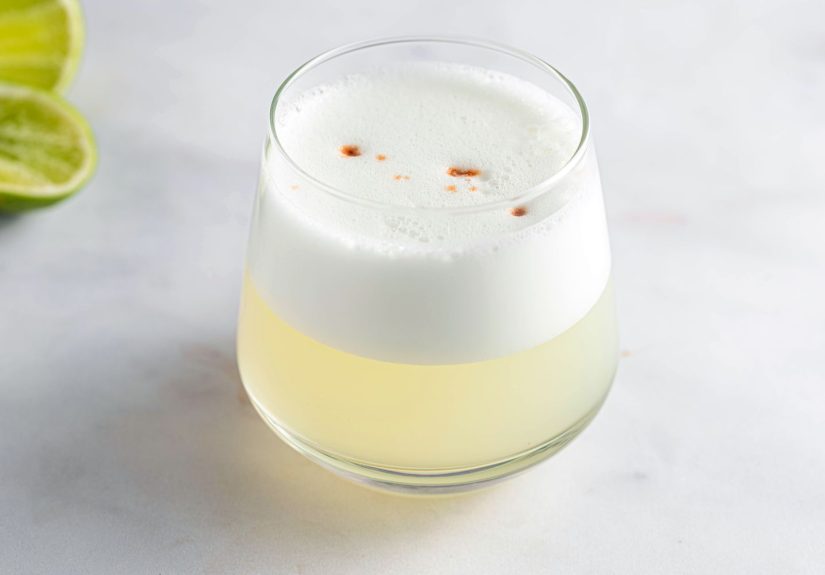
Egg cocktails are one of the great flexes of home bartending. Pour a Whiskey Sour, Pisco Sour, Clover Club, or Ramos Gin Fizz with a proper foam cap, and suddenly you are no longer “the person with a shaker.” You are now a tiny neighborhood legend. But let’s be honest: the second eggs enter the chat, so does a fair question about safety.
That question is not overdramatic. Raw or lightly used eggs can carry bacteria, and while the risk is not sky-high, it is real enough that smart bartenders take it seriously. The good news is that making egg cocktails more safely is not difficult. It mostly comes down to buying the right eggs, keeping them cold, handling them cleanly, and knowing when to skip the old “eh, it’s probably fine” energy.
If you love the silky texture and gorgeous foam that egg whites bring to cocktails, you do not have to break up with them. You just need a better system. Below are seven practical safety tips for mixing cocktails with eggs, plus a few bartender-friendly workarounds if you want the froth without the stress.
Why Egg Cocktails Need a Little Extra Respect
Eggs make cocktails richer, softer, and more luxurious. They mellow sharp citrus, round out spirits, and create that velvety top layer that makes a drink look like it went to finishing school. In other words, eggs are not there for drama alone. They actually change texture and balance in a meaningful way.
Still, an egg white cocktail is usually not cooked, and that means you do not get the same heat-based safety step you would have in a custard or baked dessert. So the goal is simple: reduce risk at every stage. Start safer, handle cleaner, chill better, and serve faster. That is how you turn a raw-egg cocktail from “culinary gambling” into “responsibly indulgent.”
1. Start With Pasteurized Eggs or Pasteurized Egg Products
If there is one rule to remember, make it this one: use pasteurized eggs whenever possible for cocktails that contain raw or lightly used eggs. This is the easiest, smartest upgrade you can make. Pasteurized shell eggs, liquid pasteurized egg whites, and powdered egg whites are all better options than grabbing a random carton and hoping your sour lands on the lucky side of life.
Why this matters
Pasteurization is designed to reduce the risk of harmful bacteria without fully cooking the egg. That means you still get the foam and texture you want, but with a better safety profile. For home bartenders, carton egg whites are especially convenient because they are portion-friendly, labeled, and usually less messy than cracking whole eggs one by one.
Best options for the home bar
- Pasteurized shell eggs: Great if you want whole eggs or prefer separating fresh whites yourself.
- Liquid pasteurized egg whites: Convenient, quick, and ideal for sours.
- Powdered egg whites: Handy, shelf-stable, and surprisingly good when you want foam without fridge roulette.
Could you use ordinary eggs? Yes. Should you choose pasteurized ones when serving raw egg drinks? Also yes. This is one of those rare life decisions that is both safer and easier. Take the win.
2. Buy Smart: Choose Cold, Clean, Uncracked Eggs and Keep Them Cold
Safety starts before you ever shake a drink. When you buy eggs for cocktails, choose cartons that are refrigerated, clean, and free from cracks. A cracked shell is not “rustic.” It is a possible invitation for contamination. The same goes for visibly dirty eggs, leaky cartons, or anything that looks like it survived a minor fender bender on the way to the shelf.
What smart egg storage looks like
Bring eggs home promptly and refrigerate them right away. Keep them at 40°F or below. Do not let them hang out on the counter during a long kitchen session while you squeeze lemons, admire your coupe glasses, and debate whether your bitters art should look like a heart or a haunted comma.
If you are entertaining, take out only what you need. Return the rest to the refrigerator. Egg-based ingredients are perishable, and warm room-temperature marathons are exactly how good intentions become bad decisions.
A simple home-bar rule
Treat eggs like fresh seafood, dairy, or raw meat: not terrifying, but not casual. If your setup feels relaxed enough for a houseplant and a vinyl playlist, great. Your egg handling should still feel like it belongs in a tidy prep kitchen.
3. Crack Each Egg Into a Separate Small Cup Before It Goes Into the Shaker
This tip sounds fussy until the first time you ignore it and send a shard of shell swimming through an otherwise beautiful sour. Crack each egg into a separate small bowl, ramekin, or cup first. Then add the white or whole egg to the shaker.
Why this extra step is worth it
- You can spot shell fragments before they enter the drink.
- You can check the egg’s smell and appearance.
- You avoid ruining an entire batch if one egg is off.
- You reduce sloppy handling when making multiple cocktails.
This is especially useful when you are making drinks for guests. Nothing kills cocktail-party confidence faster than trying to fish shell bits out of a shaker while explaining, “This is actually part of the artisanal mouthfeel.”
If you are separating whites from yolks, do it over that small cup, not over the shaker itself. Cleaner workflow, lower mess, fewer regrets.
4. Wash Hands, Sanitize Tools, and Keep Raw Egg Away From Everything Else
Egg cocktail safety is not only about the egg. It is also about where that egg goes. Once a shell is cracked, anything that touches the raw egg can spread contamination: your hands, jigger, bar spoon, shaker rim, cutting board, citrus knife, counter, towel, and probably your phone if you are the type who checks a recipe mid-pour.
Basic bar hygiene rules
- Wash your hands with soap and water before and after handling eggs.
- Wash, rinse, and sanitize tools and surfaces that touch raw egg.
- Use clean towels instead of the mystery bar rag that has seen too much.
- Keep raw egg separate from garnishes, citrus wheels, herbs, and other ready-to-eat items.
This matters even more if you are making several rounds. A shaker tin that handled raw egg should not casually slide into service for a non-egg Martini without a proper wash. Cross-contamination loves shortcuts. Do not give it any.
And yes, that includes the outside of the shaker if you spilled some while pouring. Egg residue is not a garnish. It is just gross.
5. Know Who Should Skip Raw-Egg Cocktails
Some people should be more cautious with raw or lightly handled egg drinks. That includes older adults, pregnant people, and anyone with a weakened immune system. If you are making cocktails for guests and you are not sure whether an egg-based drink is a good idea for them, do not play guessing games. Offer an alternative.
Good host behavior looks like this
Instead of saying, “It should be fine,” say, “This one contains raw egg white; I can make you a version with pasteurized whites or a no-egg alternative.” That is a very elegant sentence. It says: I care about your drink, your comfort, and your continued existence.
Also remember that the food-safety issue exists even outside traditional cocktails. Dessert drinks, flips, and alcohol-free foamy drinks still involve the same raw-egg question. Alcohol is not the only factor here. The egg is.
6. Do Not Assume Alcohol or Citrus Makes Raw Eggs Safe
This is one of the most persistent myths in cocktail culture: that booze, lemon juice, or lime juice somehow “cooks” the egg enough to make everything safe. It does not. A drink can change texture dramatically when shaken with citrus and spirits, but that is not the same as reaching a temperature or treatment level that reliably kills harmful bacteria.
What actually happens
Acid and alcohol can affect proteins. That is why a sour becomes foamy and silky. But texture change is not a guarantee of safety. A creamy top does not mean the egg has been magically sanitized by your bourbon. If only.
So if someone says, “The whiskey kills the germs,” smile politely and back away from their punch bowl. Alcohol may inhibit some microbial growth in certain contexts, but it is not a dependable safety shortcut for raw-egg cocktails. Safer ingredients and good handling are still the real answer.
7. Shake Safely, Serve Immediately, and Toss Leftovers
Once the egg is in the shaker, move with purpose. Egg cocktails are not the kind of drinks you batch at noon and serve at sunset. Make them close to serving time, shake them properly, and get them into the glass without unnecessary loitering.
How to shake egg cocktails more safely
The classic method is a dry shake followed by a wet shake. In plain English: shake without ice first to build foam, then add ice and shake again to chill and dilute. This technique helps create that plush, stable texture people love in egg white cocktails.
There is one practical warning, though. A dry shake can build pressure, and warm tins do not seal the same way cold ones do. Hold your shaker firmly. Nobody needs a protein-powered explosion across the kitchen backsplash.
Once the drink is made
- Serve it right away.
- Do not let it sit around on a tray for ages.
- Do not save unfinished raw-egg cocktails for later sipping.
- Do not pre-mix egg cocktails hours ahead for a party.
The general food-safety rule for perishable foods still applies: room temperature is not a spa treatment. If an egg-based drink has been sitting out too long, let it go. Your next Whiskey Sour is cheaper than your next stomachache.
Safer Alternatives If You Want Foam Without the Egg Drama
Maybe you love the look of a frothy sour but would prefer fewer safety variables. Fair enough. Fortunately, bartenders now have several solid alternatives:
- Liquid pasteurized egg whites: The easiest substitute for fresh shell eggs.
- Powdered egg whites: Great for consistency, storage, and convenience.
- Aquafaba: Chickpea liquid that can create a surprisingly nice foam in many drinks.
- Commercial cocktail foaming products: Useful for egg-free or vegan builds, especially when speed matters.
If your goal is a silky head on a sour, these alternatives can get you close without asking you to manage a raw shell egg every time. Some even make party service easier because they are more predictable from one drink to the next.
Common Mistakes to Avoid
- Using a cracked egg because “it’s only a tiny crack.”
- Leaving eggs on the counter for hours while prepping drinks.
- Cracking eggs directly into a full shaker or shared batch.
- Using the same tools for raw egg and garnishes without washing them.
- Assuming alcohol or citrus takes care of safety for you.
- Serving raw-egg cocktails to higher-risk guests without asking.
- Saving leftover egg cocktails for tomorrow. Tomorrow does not want them.
What People Actually Experience When Making Egg Cocktails at Home and Behind the Bar
In real life, the experience of mixing cocktails with eggs is usually less dramatic than the internet makes it sound, but it is also less casual than cocktail glamour suggests. Most home bartenders discover the same thing quickly: the first time you make an egg white sour, you feel equal parts sophisticated and suspicious. You admire the foam, then immediately wonder whether you have just created a masterpiece or a tiny food-safety seminar in a coupe glass.
One common experience is realizing that cleanliness matters far more than people expect. Home mixologists often start out focused on flavor, ratios, and garnish, then learn that the real upgrade is workflow. The egg drinks get better when the setup gets cleaner: a separate cup for cracking eggs, a washed shaker, a clear place for citrus, and a plan for wiping surfaces. People who adopt that system tend to say the same thing afterward: the drinks become less stressful and much more enjoyable.
Another very normal experience is learning that pasteurized egg products make life easier. Many people assume carton egg whites are a compromise, then try them and realize they save time, reduce mess, and still produce a handsome foam. For party hosts, that can be a turning point. Instead of cracking six eggs while guests watch you perform a one-person brunch crisis, you measure, shake, pour, and keep moving.
Then there is the shaking lesson. Almost everyone who makes egg cocktails regularly has a story about a shaker mishap. Maybe the tins separated during a dry shake. Maybe foam leaked out the side. Maybe someone got overconfident and wore half a Clover Club. This is part of the culture now. The practical takeaway is simple: seal carefully, hold the shaker firmly, and respect the pressure build-up that comes with dry shaking. Cocktail confidence is wonderful; shaker humility is wiser.
Bars experience the topic a little differently. Professional bartenders often describe egg drinks as a balance between hospitality and discipline. Guests love the texture and showmanship, but the staff has to think about refrigeration, speed, sanitation, and consistency every single round. In a good bar, the egg cocktail looks effortless because the systems behind it are not. Ingredients stay cold. Surfaces stay clean. Staff know exactly what they are using and why.
There is also a social experience tied to egg cocktails: reassurance. Guests often ask whether the drink is safe, especially if they are watching an egg go into the shaker. Experienced bartenders usually answer calmly and directly. They explain the ingredient, note whether it is pasteurized, and give the guest a choice. That transparency matters. In a home setting, doing the same thing makes you look thoughtful, not paranoid.
And maybe the most relatable experience of all is this: once people learn the safety basics, they relax. The drink stops feeling risky and starts feeling intentional. That is really the sweet spot with egg cocktails. Not fear. Not recklessness. Just a clean station, a cold ingredient, a proper shake, and a very pretty layer of foam that did not require blind faith to create.
Conclusion
Egg cocktails deserve respect, not panic. If you use pasteurized eggs or pasteurized egg products, keep everything cold, crack eggs separately, wash your tools, avoid cross-contamination, skip raw-egg drinks for higher-risk guests, and serve the cocktail right away, you can make classic foamy drinks much more safely. That means you still get the charm of a silky Whiskey Sour or a plush Pisco Sour, just without treating food safety like an optional garnish.
In short, the smartest egg cocktail is not the one with the tallest foam. It is the one made with clean hands, cold ingredients, and common sense. The good news? That one usually tastes better too.