Table of Contents >> Show >> Hide
- 1. Water-Based Movement: Swimming & Aqua Aerobics
- 2. Gentle Yoga, Stretching & Tai Chi
- 3. Walking, Easy Cycling & Nature Strolls
- 4. Creative Crafts with Joint-Friendly Tools
- 5. Easy, Elevated Gardening
- 6. Music, Audiobooks & Low-Effort Book Clubs
- 7. Journaling, Digital Art & Photography
- Conclusion
- Real-Life Experiences with RA-Friendly Hobbies
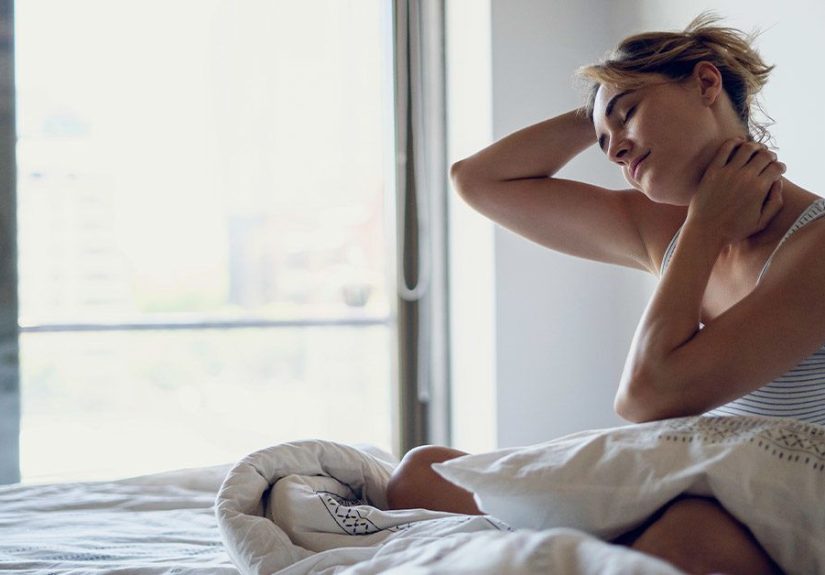
Living with rheumatoid arthritis (RA) means your joints have strong opinions.
They comment on the weather, complain about stairs, and absolutely file HR reports about jar lids.
But here’s the good news: the right hobbies can help calm the chaos instead of adding to it.
Research-backed, joint-friendly activities can improve strength, flexibility, mood, sleep, and overall quality of life
without worsening disease activity when done wisely. Low-impact movement, creative outlets, and flexible routines are
consistently recommended by rheumatology experts and public health organizations to support people with arthritis.
The key is simple: protect your joints, honor your energy, and make fun non-negotiable.
Below are seven RA-friendly hobbies designed to be gentle on inflamed joints, adaptable on flare days, and enjoyable enough
to actually stick with. None of them require you to “push through pain” or pretend RA doesn’t exist.
Your body is invited to the planning committee.
Important note: Always check with your rheumatologist or healthcare provider before starting or changing any activity,
especially if you have severe joint damage, recent surgery, or uncontrolled symptoms.
1. Water-Based Movement: Swimming & Aqua Aerobics
If gravity feels overrated, the pool is your place. Water supports your body weight, reducing impact on tender joints
while letting you move more freely. Gentle swimming, water walking, and aqua aerobics are often recommended for people
with arthritis because they combine cardio, flexibility, and resistance without pounding your knees, hips, or hands.
Why it Works for RA
- Buoyancy reduces pressure on inflamed joints.
- Warm water (where available) helps relax stiff muscles and ease pain.
- Improves cardiovascular health, balance, and confidence in movement.
Joint-Friendly Tips
- Choose warm-water or therapy pools when possible.
- Start with slow laps or simple water walking in the shallow end.
- Use noodles, belts, or kickboards for support instead of forcing speed.
- Stop before joints feel “angry-sore,” not after.
2. Gentle Yoga, Stretching & Tai Chi
Think of this as “movement with manners.” Gentle yoga and tai chi focus on slow, controlled motions, breathwork, and
body awarenessperfect for joints that hate surprises. Many arthritis-specific programs already build in modifications
for sore wrists, swollen fingers, or limited range of motion.
Why it Works for RA
- Improves flexibility and range of motion in a controlled way.
- Strengthens supportive muscles without harsh impact.
- Reduces stress, which can influence how intensely you feel pain.
How to Make It RA-Safe
- Look for “gentle,” “restorative,” “chair yoga,” or “arthritis-friendly” classes.
- Use props: bolsters, chairs, straps, cushions, folded blanketszero shame, maximum comfort.
- Avoid long holds that create joint strain, deep wrist bends, and extreme ranges of motion.
- On flare days, swap standing poses for seated or lying stretches.
3. Walking, Easy Cycling & Nature Strolls
Walking is one of the most recommended low-impact activities for people with arthritis, and it doesn’t have to look like
a fitness commercial. Short, relaxed walks, gentle park loops, or a slow indoor mall walk all count. Light cyclingespecially
on a stationary or recumbent bikecan also support joint mobility and strength.
Smart Walking & Cycling Strategies
- Break movement into 5–10 minute mini-walks throughout the day.
- Choose flat, even surfaces and supportive shoes with cushioning.
- Use trekking poles or a cane if it reduces pain or improves balance.
- For bikes, adjust seat height so your knees aren’t deeply bent or locked.
Pair walks with birdwatching, photography, or podcasts so it feels like a ritual, not a chore.
4. Creative Crafts with Joint-Friendly Tools
Knitting, crochet, embroidery, beading, and DIY crafts can be incredibly soothingunless tiny hooks and rigid tools
gang up on your fingers. With a few smart adjustments, creative handwork becomes a deeply RA-friendly hobby.
Why it Helps
- Provides a calming, meditative focus that can distract from chronic pain.
- Offers a sense of accomplishment on days when your body limits bigger tasks.
- Fine motor work (done gently) may help maintain hand function over time.
Adaptations that Protect Your Joints
- Use ergonomic hooks, bigger needles, and lightweight yarn to reduce gripping force.
- Wear compression or arthritis gloves for warmth and support.
- Set a timer to stretch your fingers, shoulders, and neck every 15–20 minutes.
- Choose projects you can pause anytimeno 8-hour marathon quilt emergencies.
5. Easy, Elevated Gardening
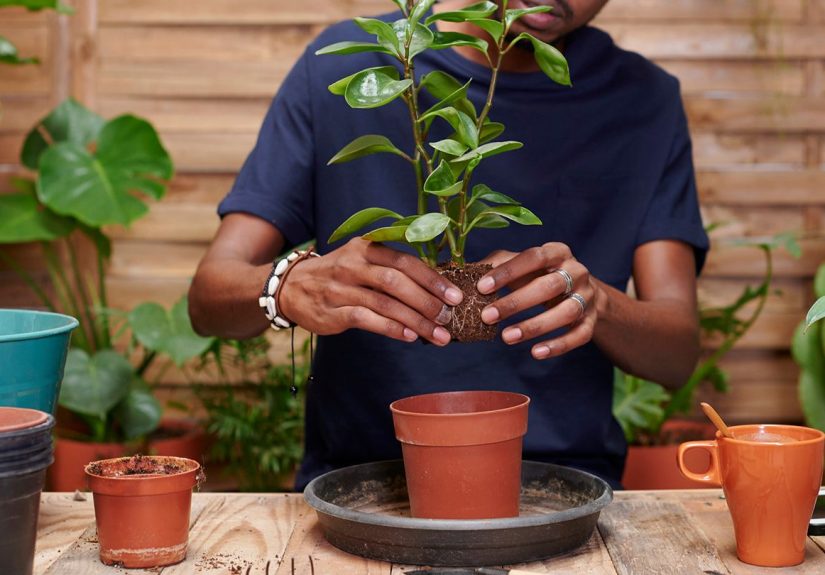
Gardening doesn’t have to mean wrestling 40-pound soil bags or kneeling in wet dirt. Container gardens, raised beds,
railing planters, or indoor herb gardens let you enjoy plants without punishing your joints.
RA-Friendly Gardening Ideas
- Use raised beds or tabletops so you can garden while sitting.
- Choose long-handled, lightweight tools with padded grips.
- Grow “low-drama” plants: herbs, lettuces, succulents, and hardy flowers.
- Work in short bursts early or late in the day when it’s cooler and your body feels looser.
This hobby sneaks in gentle movement, fresh air, and a mental health boost. Watching something grow because of you
feels powerful when RA tries to steal that feeling.
6. Music, Audiobooks & Low-Effort Book Clubs
On high-pain, low-energy days, you still deserve stimulation that isn’t just scrolling comments. Music, podcasts, and
audiobooks are perfect “horizontal hobbies” that require almost nothing from your joints.
Why They’re Great for RA
- Fully flare-compatible: you can participate lying down with a heating pad.
- Reduces loneliness and stress; stories and sound are powerful mood shifters.
- Can be turned into social connection via virtual book clubs or shared playlists.
If holding books is tough, try e-readers with light devices, stands, or large-print settings. Let the tech do the work;
you just enjoy the story.
7. Journaling, Digital Art & Photography
RA comes with a lot of feelings, medical notes, and “what was that symptom last Tuesday?” moments.
Journaling and digital creativity help you process all of it while respecting pain and fatigue.
Ideas to Try
- Symptom + Gratitude Journaling: Track pain patterns, triggers, sleep, meds, and wins in one place.
- Digital Art: Use tablets or phones with a stylus; pressure sensitivity can be adjusted to be joint-friendly.
- Photography: Short “photo walks,” or even balcony shots, help you notice beauty without intense exertion.
None of this has to be Instagram-perfect. The goal is expression, not performance.
Conclusion
Having RA does not cancel your right to joy, movement, or creativityit just changes the settings.
The best RA-friendly hobbies are flexible, low-impact, and completely customizable: you can scale them up on good days,
dial them down on flare days, and still feel like your life is bigger than your diagnosis.
Start with one hobby that feels realistic this week. Test it gently. Adjust. Celebrate tiny wins:
ten minutes in the pool, three rows of knitting, a slow lap with your camera, a single page of journaling.
Over time, these small, kind choices stack up into less stiffness, better mood, and a life that feels more like you again.
Real-Life Experiences with RA-Friendly Hobbies
To see how powerful these hobbies can be, imagine a few real-world RA stories drawn from the kinds of experiences patients often share.
Maya, 34, spent years thinking “real exercise” meant bootcamps and burpeesboth of which her wrists and knees vetoed loudly.
After her RA diagnosis, she nearly gave up on movement altogether. A physical therapist suggested warm-water aerobics twice a week and
short, slow walks on the days in between. Maya started with 10 watery minutes, felt ridiculous, and almost quit. Three months later,
she noticed she could climb stairs with less stiffness and didn’t need an afternoon crash-nap every single day. The pool stopped feeling
like a downgrade and started feeling like power on her own terms.
Tom, 52, loved working with his hands, but prolonged woodworking and heavy tools set his finger joints on fire.
Instead of abandoning creativity, he shifted to container gardening on his balcony and simple digital design projects using a tablet.
With long-handled tools, lightweight pots, and scheduled stretch breaks, he could tend herbs without triggering a flare.
His basil, frankly, thrived harder than some people’s careers, and the small daily ritual made pain feel less like the main character.
Lena, 41, went through a rough patch where fatigue and flares had her canceling plans so often that friends stopped asking.
She started a tiny virtual audiobook club with two close friends: one chapter a night, voice messages instead of live calls.
On her worst days, she could still listen while lying down, send a two-line reaction, and feel included.
That low-effort connection shaved the edge off her anxiety and reminded her she was still funny, thoughtful, and presenteven when her joints were loud.
Devon, 29, used journaling and phone photography as a quiet form of control. Each morning, they jotted three quick lines:
one symptom note, one frustration, one thing they were proud of. Some days the “proud of” line was literally,
“I took my meds on time” or “I messaged my doctor instead of Googling at 2 a.m.”
Over time, those pages became proof that progress wasn’t always about fewer flaresit was about better boundaries,
faster adjustments, kinder self-talk. The snapshots from short walks, balcony sunsets, and visits to the pool
sat alongside tough days, telling a fuller story than pain alone.
These experiences share the same pattern: RA-friendly hobbies work when they are flexible, guilt-free, joint-aware,
and sized to the real energy you havenot the energy you wish you had. The goal isn’t to “fix” RA with hobbies.
It’s to build a life where your body is accommodated, your joy is non-negotiable, and your hobbies support both.
Start small, stay curious, and let your hobbies be on your side.