Table of Contents >> Show >> Hide
- Why Thrifted Clutter Sneaks In So Easily
- 1. Project Furniture You Swear You’ll Fix “Soon”
- 2. Decorative Glassware, Vases, and Serving Pieces in Endless Quantities
- 3. Art and Frames You Love in Theory but Never Hang
- 4. Throw Pillows, Linens, and Rugs That Are More Trouble Than Treasure
- 5. Nostalgia Buys, Collector Plates, and Cute Knickknacks With No Real Role
- 6. Books You’ll “Definitely Read Someday”
- 7. Small Appliances and Electronics With a Murky Future
- How to Thrift Like a Vintage Pro Without Bringing Home Clutter
- Final Takeaway
- More Real-World Thrifting Experiences That Prove the Point
Thrifting is a little like treasure hunting with fluorescent lighting. One minute you’re casually browsing for a lamp, and the next you’re standing in line with a punch bowl, three embroidered pillows, a stack of mystery frames, and a chair you’re suddenly convinced you can “totally refinish this weekend.” Spoiler: that weekend may never come.
That’s why vintage pros, decorators, organizers, and seasoned thrift shoppers keep repeating the same message: the best thrift-store find is not the cheapest thing on the shelf. It’s the item you’ll actually use, display, clean, store, and love six months from now. Everything else? It’s just clutter wearing a charming old brooch.
Below are seven of the most common thrifted items that often look like smart buys but end up crowding closets, garages, shelves, and good intentions. If you love secondhand shopping but want to avoid turning your home into a museum of almost-useful stuff, this list will save you money, storage space, and a few “What was I thinking?” moments.
Why Thrifted Clutter Sneaks In So Easily
The problem with thrift-store clutter is that it rarely looks like clutter at first. It looks affordable. It looks quirky. It looks full of potential. And potential is a very persuasive sales pitch.
Vintage experts often warn that the thrill of a low price can override practical thinking. A $6 vase feels harmless. A $12 side table feels like a win. A box of old books feels “too good to pass up.” But small purchases add up fast, especially when they don’t have a clear purpose. Before long, your budget is thinner, your shelves are fuller, and your house starts whispering, “Please stop adopting random objects.”
A smart thrift strategy is simple: buy with intention, not adrenaline. If you can’t name where an item will live, how you’ll use it, or why you truly want it, it may be better admired in the store than dragged home like a victorious but confusing souvenir.
1. Project Furniture You Swear You’ll Fix “Soon”
Project furniture is the king of thrift-store optimism. It’s the chipped dresser with “great bones,” the side chair with torn caning, the cabinet that only needs “a little sanding,” and the table that definitely won’t take that long to strip, stain, seal, and restyle. Famous last words.
Vintage pros say unfinished furniture projects are one of the fastest ways to create clutter because they take up serious space while waiting for time, tools, materials, and motivation to magically align. A fixer-upper can be worthwhile, but only if you’re buying one project at a time and you already know your plan.
Why it becomes clutter
Large furniture pieces don’t quietly disappear into a drawer. They take over garages, guest rooms, and corners of living spaces. They also tend to come with hidden costs: sandpaper, paint, upholstery, replacement hardware, repair materials, and the emotional tax of a project that keeps staring at you.
What to do instead
Buy project furniture only when you have a specific need, measurements in hand, and the ability to start the work quickly. If the piece has structural issues, deep odors, water damage, pest concerns, or expensive repairs, leave it behind and wait for a sturdier find.
2. Decorative Glassware, Vases, and Serving Pieces in Endless Quantities
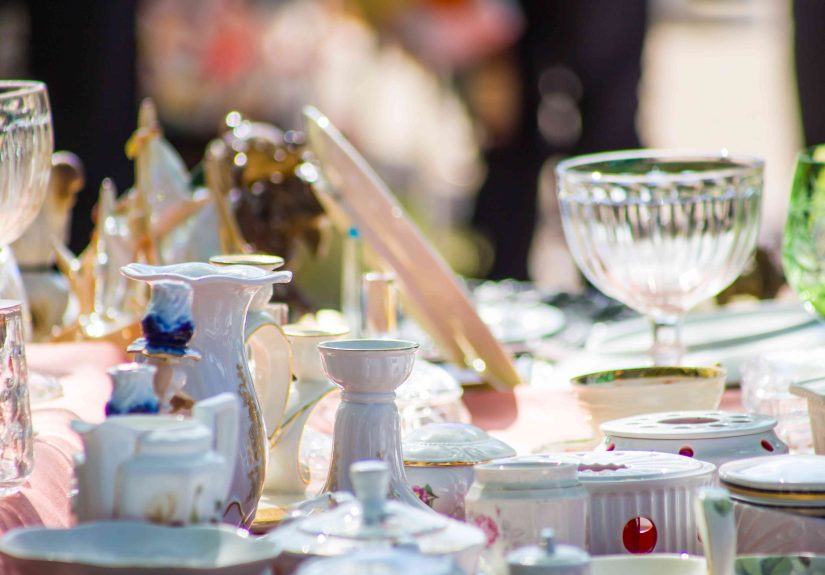
Glassware is the siren song of the thrift store. It sparkles. It’s cheap. It’s everywhere. And somehow it convinces perfectly rational adults that they need another cake stand, another set of coupe glasses, another vase, and another elegant bowl for a future life in which they host candlelit dinners every Thursday.
Vintage pros say glassware and servingware are easy to overbuy because each piece feels small, useful, and harmless on its own. Collectively, though, they multiply like rabbits in a crystal showroom.
Why it becomes clutter
Most households only use a fraction of the serving dishes they own. Formal dinnerware sets, decorative platters, specialty glasses, and novelty barware often sit untouched for months or years. They also require storage space that many kitchens simply do not have.
There’s another issue: not every older kitchen piece is ideal for everyday food use. Chips, cracks, worn finishes, and uncertainty about older materials can make some thrifted tableware better for display than dinner.
What to do instead
Choose versatile pieces, not fantasy-hosting equipment. A sturdy pitcher you’ll use weekly? Great. A fifth cake stand for events that live only in your imagination? Put it back gently and walk away with dignity.
3. Art and Frames You Love in Theory but Never Hang
Thrift stores are full of frames, prints, paintings, and wall decor with quirky charm. In small doses, they’re fantastic. In large stacks leaning against the wall of your office for two years, they’re just a very artsy guilt pile.
Designers love secondhand art and frames, but they also warn that these items become clutter when you buy them without a plan. The price is usually low enough to make impulse-buying feel harmless, but “harmless” quickly turns into a closet full of frames waiting for the perfect photo, room, mat, paint color, or moon phase.
Why it becomes clutter
Frames and artwork are easy to store temporarily, which is exactly why they linger. They don’t force immediate action the way a big chair does, so they quietly pile up in basements, under beds, and behind doors.
What to do instead
Buy art and frames only when one of these is true: you know exactly where it’s going, you already have the piece to frame, or the item is distinctive enough to replace something you’re currently using. If not, it may be less of a find and more of a future dusting assignment.
4. Throw Pillows, Linens, and Rugs That Are More Trouble Than Treasure
Yes, that needlepoint pillow is charming. Yes, those vintage sheets are adorable. Yes, that rug would look amazing if it didn’t have a mystery smell and a stain shaped like regret.
Many experienced thrifters are cautious about soft goods because they can be difficult to fully inspect and even harder to clean. Linens, rugs, and upholstered items may carry odors, stains, allergens, or wear that you don’t notice until they’re already in your house making themselves very comfortable.
Why it becomes clutter
Soft goods are bulky, easy to overbuy, and often difficult to restore. One thrifted pillow may seem reasonable, but five decorative pillows with nowhere to go become a storage problem. Rugs are even riskier: they’re big, expensive to clean, and not always worth the effort unless they’re truly special.
What to do instead
Focus on washable, clearly usable textile finds. Pillow covers beat full pillows. Bleach-safe basics can make sense. Handmade quilts, quality vintage textiles, or exceptional rugs may be worth it, but only after a careful condition check. When in doubt, skip anything heavily stained, threadbare, musty, or impossible to deep-clean.
5. Nostalgia Buys, Collector Plates, and Cute Knickknacks With No Real Role
This is where clutter puts on its most emotional costume. Nostalgia items, decorative figurines, collector plates, souvenir-style pieces, and random little trinkets know how to hit you right in the feelings. You see them and suddenly remember your grandmother’s dining room, your childhood kitchen, or a Saturday morning cartoon era when your biggest problem was cereal choice.
There’s nothing wrong with sentimental decor. The trouble starts when you buy objects for the quick emotional hit rather than for meaningful use or display.
Why it becomes clutter
Many mass-produced collectibles were marketed as special, valuable, or future heirlooms, but plenty of them don’t hold the resale value people expect. More importantly, they tend to accumulate fast and display awkwardly. One keepsake can feel personal. Twenty tiny figurines begin to look like your shelves are being politely haunted.
What to do instead
Ask one honest question: does this item matter to me, or do I just like the feeling it gives me for thirty seconds? If it truly connects to your story and you know where it belongs, fine. If it’s just a cute blast from the past with no destination, leave it for someone who collects that category on purpose.
6. Books You’ll “Definitely Read Someday”
Books are one of the easiest thrift-store buys to justify. They’re inexpensive, useful-looking, and make us feel smart just by proximity. But vintage pros and organizers say thrifted books become clutter fast when you’re buying them for aspiration rather than actual reading.
That 75-cent cookbook, that stack of old decorating books, that novel you already own in another edition, that giant encyclopedia set you purchased because it looked academic and dramatic? They all need shelf space, and they all start negotiating for more.
Why it becomes clutter
Unread books are the décor version of a postponed promise. They represent who you might be later, not how you live right now. When the pile grows faster than your reading life, the books stop being resources and start being furniture with guilt attached.
What to do instead
Buy books with a purpose. Keep a short wish list. Choose titles you plan to read soon, use for reference, or genuinely collect. A curated shelf adds warmth and personality. Boxes of “someday” books add back pain and dust.
7. Small Appliances and Electronics With a Murky Future
Thrifted electronics are the classic “looks like a deal, behaves like a prank” category. That old blender might work. That retro lamp might be safe. That espresso machine might have all its parts. Or it might come home, wheeze twice, and retire permanently to your countertop like a decorative monument to poor judgment.
Pros are especially cautious with appliances and electrical items because appearance tells you very little. Even when something powers on, it may not perform correctly, last long, or meet modern safety expectations.
Why it becomes clutter
Broken or unreliable appliances don’t just waste money; they consume valuable storage. Kitchens are already magnets for clutter, and one more gadget you “might use someday” can turn a functional counter into a hardware orphanage.
What to do instead
Stick to secondhand electronics only when you can verify they work well, are complete, and make sense for your actual routine. Otherwise, invest in fewer, better tools. Your kitchen does not need seven machines that each perform one oddly specific task.
How to Thrift Like a Vintage Pro Without Bringing Home Clutter
Use the one-question filter
Would you still want this if it weren’t such a “good deal”? If the answer is no, congratulations: you’ve just avoided buying clutter in a cardigan.
Know where it will live
If you cannot picture the item in a specific room, on a specific shelf, or serving a specific purpose, it probably does not need to come home.
Buy quality, not quantity
A single solid wood side table with beautiful joinery is better than five flimsy “maybe” purchases. Good thrifting is curation, not accumulation.
Inspect like a detective
Open drawers. Check the underside. Smell fabrics. Look for stains, chips, damage, missing parts, pest signs, wobble, and weird repairs. Romance is nice, but condition matters.
Shop for your real life
Not your fantasy brunch-hosting life. Not your “I restore antique hutches on weekends” life. Your actual life, with your actual square footage, schedule, and tolerance for projects.
Final Takeaway
The smartest thrift shoppers are not the ones who buy the most. They’re the ones who edit the hardest. They know that a low price does not automatically equal value, and that vintage charm is only useful when it fits their home, habits, and storage reality.
So the next time you’re thrifting, enjoy the hunt. Have fun. Admire the weird silver swan napkin holder. Salute the 1980s punch bowl. Whisper a respectful goodbye to the seventh decorative vase. And remember: bringing home less is often what makes your best thrifted pieces look better.
More Real-World Thrifting Experiences That Prove the Point
Anyone who thrifts regularly has a story or two that starts with “I got such a great deal” and ends with “Why is this still in my hallway?” One common experience is the thrifted chair with “good bones.” It looks elegant under store lighting, feels like a bargain, and seems like the perfect weekend refresh. Then it gets home. The seat sags. The fabric smells faintly like attic plus mystery perfume. Suddenly the inexpensive chair needs foam, fabric, tools, and a level of patience normally reserved for home renovation shows. Instead of becoming a star piece, it becomes a very expensive coat rack.
Then there’s the glassware trap. Plenty of shoppers have gone into a thrift store for one practical item and come out with four coupe glasses, two bud vases, a cake stand, and a crystal bowl they absolutely did not need. Each piece felt small and harmless. Together, they took over an entire cabinet. The lesson usually arrives when someone opens the cupboard and a decorative goblet makes a dramatic bid for freedom.
Books create another familiar scenario. A thrift shopper spots a stack of decorating books, old cookbooks, and novels priced so low they feel almost free. Buying them seems virtuous, intellectual, even cozy. Months later, those books are still stacked on the floor because the shelves are full, and only one of them has actually been opened. The books were never really the problem; the fantasy of becoming a different person through a discounted pile of paper was the problem.
Nostalgia buys have their own pattern. Someone sees a cookie jar like the one their aunt had, or a figurine that reminds them of childhood holidays, or a collector plate that feels oddly comforting. They buy it because the memory is warm. But once it’s home, the object doesn’t always fit the room, the style, or daily life. It sits in a closet, not because it’s ugly, but because memory alone isn’t always enough to justify space.
Experienced thrifters eventually learn that the best finds are the ones that solve a problem or fill a true gap: the solid side table that fits a narrow nook, the lamp base that only needs a shade, the original art piece that works instantly, the basket that genuinely tames entryway chaos. Those purchases don’t become clutter because they earn their keep right away. That’s the real thrift-store flex: not buying the most interesting object, but buying the right one.