Table of Contents >> Show >> Hide
- 1. Color-Drenched Rooms Are Replacing Safe Neutrals
- 2. Collected Vintage Style Is Beating Matchy-Matchy Decor
- 3. Curves and Soft Shapes Are Still Going Strong
- 4. Sculptural Lighting Is Becoming the Jewelry of the Room
- 5. Natural Materials and Honest Finishes Are Defining Luxury
- 6. Comfort-First Personalization Is Becoming the New Status Symbol
- Final Takeaway: 2026 Decor Is About Character, Not Copying
- What These 2026 Decor Trends Actually Feel Like in Real Life
If your home has spent the past few years looking suspiciously like every other home on the internet, 2026 has good news for you: the copy-and-paste era is losing steam. Designers are leaning into rooms with more color, more texture, more quirks, and a lot more soul. The vibe is less “showroom staged by a robot” and more “beautiful home owned by an actual human with opinions.” Honestly, it is about time.
The biggest decor trends of 2026 are not about chasing one rigid style. They are about creating spaces that feel layered, warm, and deeply personal. That means moody color instead of default white, vintage pieces instead of flat-pack sameness, sculptural furniture instead of sharp, boxy lines, and details that make a room feel finished in a thoughtful way. In other words, homes are getting dressed again.
Below, we break down the home decor trends designers say will define 2026, why they are gaining momentum, and how to use them without making your living room look like it swallowed an entire trend report whole.
1. Color-Drenched Rooms Are Replacing Safe Neutrals
For years, the default decorating advice was basically, “Paint everything beige and try not to scare the resale market.” In 2026, that approach feels tired. Designers are embracing rooms wrapped in color, from walls and trim to ceilings, cabinetry, and even textiles. This is the rise of color drenching, and it is one of the most talked-about interior design trends for 2026.
Why it is taking over
Color-drenched rooms create atmosphere. Instead of treating color like a tiny accent pillow that timidly asks permission to exist, this trend lets color set the emotional tone of the entire room. Deep olive, aubergine, dusty blue, warm terracotta, and rich sage are all showing up in spaces that feel cocooning, grounded, and surprisingly elegant.
The appeal is not just visual. Saturated color makes a room feel intentional. It softens hard lines, hides awkward transitions, and gives even simple spaces a polished, editorial quality. A small office feels more sophisticated. A powder room becomes dramatic. A reading nook suddenly looks like the place where a stylish mystery novelist would quietly judge your book choices.
How to make it work
Start with a room that can handle a little mood. Powder rooms, dining rooms, libraries, and bedrooms are great candidates. Pick one color family, then layer related shades and finishes within it. Matte walls, satin trim, velvet upholstery, aged brass, and wood tones will keep the look from falling flat.
The trick is not matching everything perfectly. The trick is creating a color atmosphere. Think less “one-note” and more “same song, different instruments.”
2. Collected Vintage Style Is Beating Matchy-Matchy Decor
Another major home styling idea for 2026 is the return of rooms that look collected over time rather than bought in one heroic Saturday trip. Designers are calling for interiors with history, memory, and a little patina. That means antiques, heirloom-inspired accents, vintage textiles, pleated lampshades, skirted furniture, darker woods, and pattern layered with confidence.
Why it is taking over
People are tired of spaces that feel too new, too slick, and too perfect. A room with an old chest, framed art from travels, a slightly imperfect ceramic lamp, and a fabric-covered chair has more personality than one filled with trendy pieces that all arrived in identical cardboard boxes. The 2026 version of vintage style is not dusty or fussy. It is edited, warm, and personal.
This trend also taps into something emotional. Homes are becoming more reflective of real life, and real life is layered. Maybe your grandmother’s silver tray lives next to a modern sofa. Maybe your dining room has a contemporary light fixture over a table that looks like it has hosted five decades of family arguments and excellent pie. That contrast is exactly the point.
How to make it work
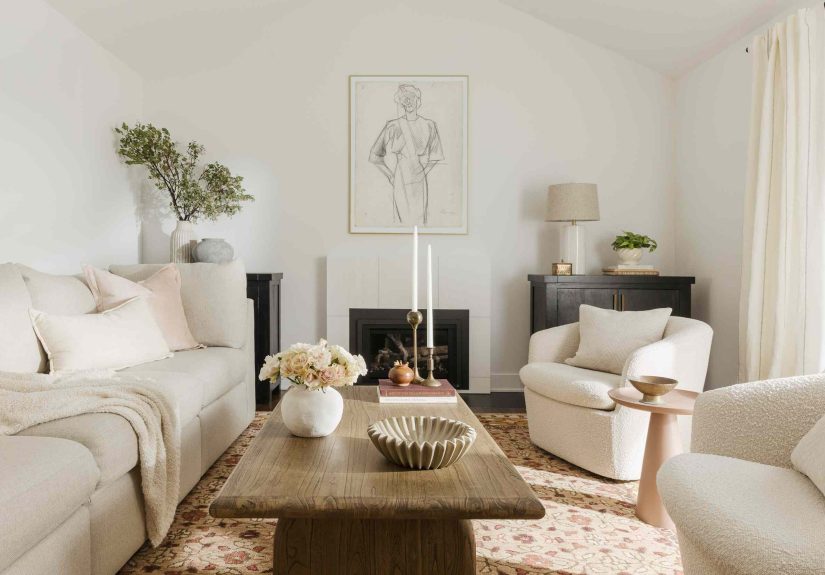
Mix old and new on purpose. Pair a streamlined sofa with an antique side table. Add floral or striped fabric to a room with modern lines. Use vintage artwork, thrifted ceramic pieces, a classic rug, or a skirted table to break up the feeling of “all new everything.”
If you are nervous, start small. A pleated shade, a stack of old books, or one truly good vintage mirror can do more for a room than six generic accessories that came pre-coordinated in a catalog spread.
3. Curves and Soft Shapes Are Still Going Strong
If the 2010s loved hard edges, 2026 is very clearly in its soft era. One of the most durable decor trends designers say will take over homes in 2026 is the continued rise of curved furniture, rounded silhouettes, and soft sculptural forms.
Why it is taking over
Curves make rooms feel more inviting. A rounded sofa, scalloped chair, bulbous lamp, or circular side table can soften the visual severity of a space in seconds. These pieces also bring movement to a room, which matters when so many homes have boxy architecture, straight walls, and layouts that can feel a little too rigid.
But the curved trend is maturing. In 2026, designers are not just reaching for blob-shaped furniture because it is trendy. They are using curvilinear forms to create intimacy and flow. A curved sectional encourages conversation. An arched headboard makes a bedroom feel gentler. A rounded coffee table keeps a room from becoming a sea of right angles and emotional tension.
How to make it work
You do not need to replace every piece of furniture you own with something shaped like a cloud. Introduce one or two rounded elements where the room feels stiff. Try a curved accent chair, a round pedestal table, a sculptural mirror, or a lamp with a globe base. Pair those softer pieces with wood, linen, leather, or stone to keep the look grounded.
This trend works especially well when mixed with vintage or tailored details. The result feels thoughtful, not cartoonish.
4. Sculptural Lighting Is Becoming the Jewelry of the Room
Lighting in 2026 is no longer playing a quiet supporting role. It is stepping into the spotlight, and frankly, it deserves the applause. Designers are treating statement lighting like sculpture, using larger silhouettes, handcrafted finishes, multi-light pendants, asymmetry, and tactile materials such as plaster, ceramic, glass, and aged metals.
Why it is taking over
Rooms need focal points, and lighting is one of the smartest ways to create one. A dramatic pendant above a dining table, a pair of textured sconces in a hallway, or a beautifully odd floor lamp beside a reading chair can instantly elevate a space. In 2026, lighting is also getting warmer and more expressive. Less sterile chrome. More living finishes, soft brass, hand-finished plaster, and pieces that feel artistic.
This trend fits the broader move toward personality and craftsmanship. People want homes that feel designed, not assembled. A sculptural fixture can make even a simple room feel custom.
How to make it work
Look for lighting with shape, texture, or scale. A pendant does not have to be huge to make an impact, but it should feel intentional. In living rooms and bedrooms, add layers: overhead light, a table lamp, a floor lamp, maybe a sconce if you are feeling ambitious and mildly heroic.
And please, do not let the overhead “boob light” win in 2026. Your ceiling deserves better. You deserve better.
5. Natural Materials and Honest Finishes Are Defining Luxury
One of the clearest home decor trends for 2026 is a renewed love for materials that feel real, tactile, and beautifully imperfect. Designers are favoring wood with visible grain, stone with movement, woven fibers, organic textiles, natural wall treatments, unlacquered brass, aged bronze, and finishes that get better with time.
Why it is taking over
Perfection is losing its charm. Homes are moving away from slick, overly processed surfaces toward materials that have depth and character. The appeal is practical as well as aesthetic. Natural materials add warmth. They connect interiors to the outdoors. They age gracefully instead of looking tired the moment they get a scratch.
This trend also reflects a broader interest in wellness and sensory design. Tactile surfaces matter. A handwoven rug, limewashed wall, raw wood stool, or linen drapery changes how a room feels, not just how it photographs. In a world full of screens, texture is doing serious emotional labor.
How to make it work
Layer materials that feel grounded and touchable. Try white oak, walnut, rattan, terracotta, marble, plaster, wool, linen, and ceramic. Swap overly shiny hardware for aged brass or bronze. Add texture through baskets, woven shades, or wall finishes rather than filling the room with random clutter.
The goal is not rustic for rustic’s sake. It is refined warmth. Think “quiet confidence,” not “cabin souvenir shop.”
6. Comfort-First Personalization Is Becoming the New Status Symbol
The most important trend in 2026 may not be a specific object at all. It is a mindset: homes should support how people actually live. Designers are talking more about reading nooks, cocoon bedrooms, flexible layouts, wellness corners, soft room dividers, and spaces designed for quiet, comfort, and restoration. Personal style is no longer the bonus feature. It is the whole point.
Why it is taking over
Trend fatigue is real. Homeowners want rooms that feel personal rather than algorithm-approved. That means fewer “must-have” pieces and more thoughtful decisions based on routines, architecture, memory, and mood. A bedroom might include a lounge chair and lamp for reading. A living room might have a tucked-away desk hidden by fabric panels. A spare corner might become a meditation spot, tea nook, or mini library instead of another depressing pile of unopened packages.
Comfort is also becoming more sophisticated. Cozy does not mean sloppy. It means upholstered walls, layered bedding, richer textiles, warmer colors, better acoustics, and layouts that invite lingering. In 2026, luxury looks less like a museum and more like a room you actually want to spend time in.
How to make it work
Design around your habits. If you read every night, create a reading corner with a good lamp and a chair you can disappear into. If your bedroom feels purely functional, add a bench, chaise, or small lounge area. If your home needs more flexibility, use drapery to define zones without shutting everything off.
And if a trend does not suit your life, skip it. The most stylish room in 2026 will not be the one that followed every rule. It will be the one that feels unmistakably yours.
Final Takeaway: 2026 Decor Is About Character, Not Copying
When you put all six trends together, a bigger story emerges. Decor trends in 2026 are moving away from sterile perfection and toward homes with atmosphere, memory, and ease. Rich color replaces caution. Vintage pieces bring depth. Curves soften the room. Lighting becomes sculpture. Natural materials add honesty. Personalized comfort ties everything together.
The best part is that you do not have to overhaul your house to tap into these ideas. Paint a room in a bolder shade. Replace one light fixture with something dramatic. Bring in an antique side table. Add a pleated shade, a curved chair, or a woven texture. Create one corner of your home that feels genuinely good to be in. Small changes can completely shift the mood.
In short, the homes that will look best in 2026 are not the ones that feel the trendiest for five minutes. They are the ones that feel alive, layered, and deeply lived in. Which is excellent news for anyone who would prefer a beautiful home over a beige personality test.
What These 2026 Decor Trends Actually Feel Like in Real Life
On paper, trend lists can sound a little abstract. “Color drenching.” “Refined layering.” “Organic materiality.” Very impressive. Slightly dramatic. But in real homes, these trends show up in much more relatable ways, and that is exactly why they are resonating.
Picture a small city apartment that used to feel bright but bland. The owner paints the living room a soft olive from the walls to the trim, adds a vintage brass floor lamp, and swaps a generic rectangular coffee table for a rounded wood one. Suddenly, the room feels intentional. Not larger, exactly, but richer. At night, with the lamp on and the overhead light off, it has the kind of atmosphere that makes takeout feel suspiciously elegant.
Or imagine a suburban family room that had drifted into “builder-grade shrug” territory. Instead of replacing everything, the homeowners keep the comfortable sofa, add striped drapery, bring in a secondhand wooden chest as a media console, and install a sculptural pendant with a warm finish. Then they tuck a reading chair and small side table into an unused corner near the window. The room starts working harder, but it also feels softer. More human. Less “we moved in six years ago and never emotionally recovered from the paint color.”
Bedrooms are where this shift feels especially powerful. The cocoon effect designers keep talking about is not just about aesthetics. It is about relief. A bedroom with layered bedding, upholstered textures, muted lighting, and one comfortable chair feels like a retreat in a way a cold, minimal box never can. You walk in and your shoulders drop. That is not a minor design win. That is the whole game.
Even kitchens, which used to be ruled by bright white caution, are getting warmer and more expressive. Maybe it is walnut stools, aged brass hardware, a green marble tray, open shelves with collected pottery, or a moody paint color on the island. The result is not chaos. It is depth. A kitchen begins to feel like the center of the home again instead of a sterile set for a streaming-service renovation show.
What makes these trends appealing is that they are not really about excess. They are about permission. Permission to keep the old lamp if it is charming. Permission to paint the ceiling. Permission to use wallpaper in a powder room just because it makes you laugh. Permission to value comfort, memory, and mood alongside polish. That is why 2026 feels different. It is not asking homeowners to become someone else. It is inviting them to make their homes feel more like themselves.
And that, more than any single color or chair shape, is what tends to last.