Table of Contents >> Show >> Hide
- Quick Nutrition Snapshot: What You Get in a Cup
- Benefit #1: Antioxidants That Help Your Body Handle “Modern Life”
- Benefit #2: Heart Support Through Fiber + Berry Compounds
- Benefit #3: Gut Health and Regularity (Yes, We’re Talking About Fiber)
- Benefit #4: Blood Sugar-Friendly Traits and Weight-Management Support
- Benefit #5: Immune and Skin Support From Vitamin C (Plus Backup Antioxidants)
- Benefit #6: Bone and Blood Health With Vitamin K and Manganese
- How to Eat More Blackberries Without Getting Bored
- FAQ: Quick Answers People Actually Want
- Conclusion: The Small Berry With Big “Everyday” Benefits
- Real-World Experiences: How People Actually Use Blackberries (500+ Words)
Blackberries are the overachievers of the produce aisle: sweet-tart, inky-dark, and somehow always ready to stain
your shirt at the worst possible moment. (It’s fine. Purple is a power color.) But beyond their talent for turning
smoothies into modern art, blackberries bring real nutritional valuefiber, vitamin C, vitamin K, manganese, and a
lineup of plant compounds that help explain why “eat more berries” is basically the most chill health advice ever.
This article breaks down six evidence-based benefits of blackberries for health and nutritionplus practical,
everyday ways to eat them that don’t involve pretending you’re the kind of person who “just snacks on kale.”
We’ll keep it real, keep it useful, and keep the berry puns to a respectable minimum (no promises).
Quick Nutrition Snapshot: What You Get in a Cup
A 1-cup serving of raw blackberries (about 144 grams) is low in calories and surprisingly high in fiber. In plain
English: they’re filling without being heavy, which is a pretty great deal for something that tastes like dessert.
- Calories: ~62
- Fiber: ~7–8 grams
- Vitamin C: ~30 mg (about one-third of the Daily Value)
- Vitamin K: ~28.5 mcg
- Manganese: meaningfully present (a trace mineral your body actually uses)
Blackberries also contain natural sugars (not added sugars), water, and a mix of micronutrients and polyphenols.
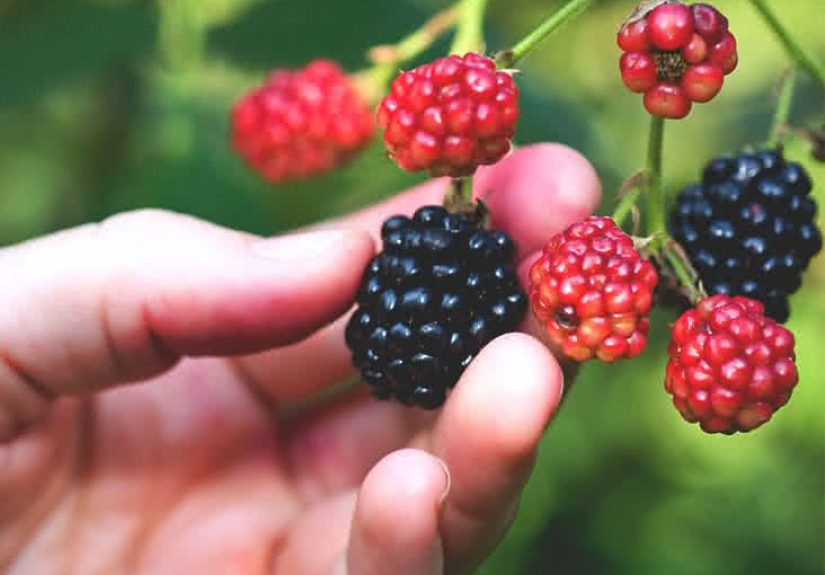
That “deep purple-black” color isn’t just for aestheticsit’s a hint that you’re getting anthocyanins, a major
group of flavonoids found in many dark berries.
Benefit #1: Antioxidants That Help Your Body Handle “Modern Life”
What’s going on here?
Blackberries contain polyphenols, including anthocyaninsthe pigments behind their dramatic color. Antioxidants
help neutralize free radicals, which are reactive compounds produced during normal metabolism and increased by
things like pollution, UV exposure, smoking, and stress. Your body has its own antioxidant defenses, but diet can
help support the system.
Why you should care (without spiraling into biochemistry)
Oxidative stress and chronic low-grade inflammation are often discussed in relation to aging and the development
of chronic conditions. While no fruit is a magic shield, diets rich in antioxidant-containing fruits and vegetables
are consistently linked with better long-term health outcomes. Blackberries are an easy “add” because they’re
naturally sweet and don’t require cooking, chopping, or an emotional support cutting board.
Practical ways to use this benefit
- Add blackberries to yogurt or oatmeal to boost flavor and nutrient density.
- Blend into a smoothie with protein (Greek yogurt, milk, soy milk) for a more balanced snack.
- Pair with nuts or nut butterantioxidants plus healthy fats is a solid combo.
Benefit #2: Heart Support Through Fiber + Berry Compounds
Blackberries do “heart-healthy” in two main ways
First: fiber. Blackberries are a high-fiber fruit, and dietary fiber is associated with improved blood cholesterol
and reduced risk of heart disease. Fiber helps you feel full, supports healthy digestion, and can influence how
your body absorbs fats and sugars.
Second: anthocyanins and other flavonoids. Research on berries frequently highlights relationships between
anthocyanin intake and markers of cardiovascular health (think vascular function and blood pressure support).
Translation: berry-rich eating patterns tend to look good on a heart-health report card.
Specific example: the “snack upgrade” that adds up
If you swap a typical packaged snack (chips, cookies, pastries) for a cup of blackberries a few times per week,
you’re often reducing saturated fat and increasing fiber at the same time. That doesn’t mean you can never eat
cookies again. It just means your Tuesday afternoon snack can quietly do you a favor.
Easy heart-friendly pairings
- Berry + yogurt: protein + fiber helps with fullness.
- Berry + oats: a double-fiber situation (in the best way).
- Berry + salad: blackberries with spinach, walnuts, and a light vinaigrette hits both taste and nutrition.
Benefit #3: Gut Health and Regularity (Yes, We’re Talking About Fiber)
The “why” behind the bathroom applause
Fiber is a type of carbohydrate your small intestine doesn’t fully digest. Some fiber helps add bulk and keep
things moving; some is fermented by gut bacteria, producing compounds that may support the gut environment.
Blackberries contain both types, which is one reason they can be so satisfying and, well… effective.
What you might notice in real life
Many people struggle to hit recommended fiber intakes, especially if meals lean heavily on refined grains and
low-fiber snacks. Adding a cup of blackberries can contribute a meaningful chunk of daily fiber in one go.
Just remember: if your current fiber intake is low, jumping to “berry + bran + beans” overnight can lead to a
belly that files a complaint. Increase fiber gradually and drink water.
Gut-friendly ideas (that taste like you tried)
- Stir blackberries into chia pudding (fiber meets fiber, in a civil partnership).
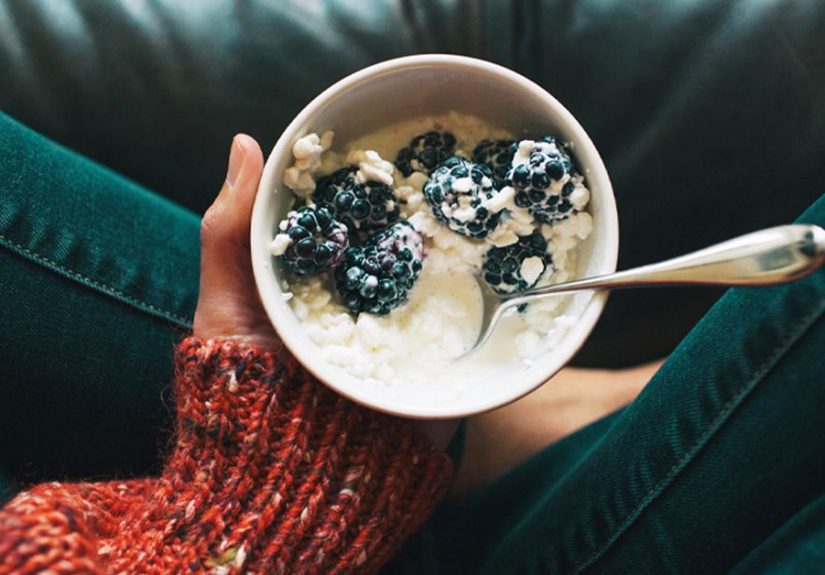
- Top cottage cheese with blackberries and cinnamon for a sweet-savory snack.
- Make a “lazy parfait”: berries + granola + Greek yogurt, five minutes, zero drama.
Benefit #4: Blood Sugar-Friendly Traits and Weight-Management Support
Why berries get invited to the “balanced plate” party
Blackberries are relatively low in calories per cup and high in fiber. Fiber slows digestion and helps reduce how
quickly carbohydrates are absorbedmeaning you may experience a steadier energy curve compared with low-fiber,
refined-carb snacks. That’s helpful for general appetite control and can fit well into eating patterns that aim to
support healthy blood glucose.
Specific example: dessert that doesn’t send your day off the rails
If you typically finish dinner with something sweet, try a bowl of blackberries with a spoonful of whipped Greek
yogurt and a sprinkle of chopped nuts. You still get “dessert vibes,” but with fiber, protein, and less added sugar.
Pro tip: frozen blackberries count
Frozen berries are often picked and frozen at peak ripeness. They’re convenient, typically budget-friendly, and
great for smoothies, oatmeal, and quick sauces. If fresh berries are expensive or spoil too fast, frozen is an
excellent plan B (and sometimes plan A).
Benefit #5: Immune and Skin Support From Vitamin C (Plus Backup Antioxidants)
Vitamin C does more than “help during cold season”
Vitamin C is an antioxidant and is involved in immune function and collagen formation. Collagen matters for skin,
connective tissue, and wound healingbasically the body’s internal scaffolding. A cup of blackberries provides
roughly 30 mg of vitamin C, which is a meaningful contribution for a single food.
What this looks like in everyday nutrition
You don’t need to treat blackberries like a supplement. Think of them as part of a “vitamin C portfolio” that
includes citrus, peppers, broccoli, strawberries, and more. Variety is the point: different plants, different
nutrients, fewer boring meals.
How to keep vitamin C on your side
- Eat blackberries fresh or gently thawedvitamin C can be sensitive to heat.
- Pair with other colorful fruits for a “rainbow bowl” that’s actually delicious.
- Use blackberries as a topping instead of sugary syrups on pancakes or waffles.
Benefit #6: Bone and Blood Health With Vitamin K and Manganese
Vitamin K: tiny nutrient, big job
Vitamin K is involved in normal blood clotting and also plays a role in bone metabolism. Blackberries contribute
vitamin K, which supports the broader dietary pattern that helps keep bones strong over time.
Manganese: the under-the-radar helper
Manganese is a trace mineral that acts as a cofactor for enzymes involved in metabolism, antioxidant defenses,
and bone formation. You don’t hear people chant “MANGANESE!” at the gym, but your body still uses it.
Blackberries provide some, and overall intake comes from a mix of plant foods like whole grains, nuts, legumes,
and fruits.
Important note for anyone on blood thinners
If you take warfarin (Coumadin) or other vitamin K–sensitive anticoagulants, consistency matters more than
avoidance. Don’t drastically change your vitamin K intake without talking to your clinician. Blackberries aren’t
the highest vitamin K food on earth, but it’s still smart to keep your overall pattern steady.
How to Eat More Blackberries Without Getting Bored
1) The 10-second upgrade
Keep frozen blackberries in the freezer. Toss a handful into oatmeal, yogurt, or a smoothie. They thaw fast and
taste like you planned your life.
2) The “no added sugar” sauce
Warm blackberries in a small pan with a splash of water and a squeeze of lemon. Mash gently. You get a tangy,
jam-like topping for yogurt, pancakes, or chia puddingno syrup situation required.
3) The salad flex
Add blackberries to a salad with leafy greens, goat cheese (or feta), and toasted nuts. Sweet + tangy + crunchy
is a timeless formula.
4) The snack plate approach
Pair blackberries with a protein or healthy fat: cheese, nuts, or Greek yogurt. That combo tends to be more
satisfying than fruit alone, especially if you’re hungry-hungry and not just “taste-testing.”
FAQ: Quick Answers People Actually Want
Are blackberries “better” than blueberries or raspberries?
Different berries shine in different ways. Blackberries are especially high in fiber for a fruit, and they bring
vitamin C plus anthocyanins. The best berry is the one you’ll eat consistentlyideally rotating types for variety.
How many blackberries should I eat a day?
A common serving is about 1 cup of fresh berries. For most people, a cup a day (or most days) can fit easily into
a balanced diet. If you’re increasing fiber, start smaller and build up.
Fresh vs. frozen: does it matter?
Both can be nutritious. Frozen berries are convenient and reduce food waste. Fresh berries are great for snacking
and texture. Choose the format that matches your life.
Anything to watch out for?
If you have a sensitive gut, large portions of high-fiber fruit may cause bloating if added too quickly. Also,
anyone on warfarin should keep vitamin K intake consistent. As always, if you have a medical condition, check with
your clinician for personalized guidance.
Conclusion: The Small Berry With Big “Everyday” Benefits
Blackberries aren’t a miracle cure, and they won’t solve your email inbox. But they are a smart, tasty,
nutrient-dense food that supports multiple health goals at once: fiber for gut and heart health, vitamin C for
immune and collagen support, vitamin K and manganese for bone-related roles, and anthocyanins that contribute to
the antioxidant power that makes berries so widely recommended.
The best part? They’re easy. Keep them frozen, toss them into breakfast, add them to snacks, or use them as a
naturally sweet swap for sugary toppings. If you do nothing else this week, consider letting blackberries be the
low-effort upgrade that makes your meals feel more “put together” while quietly doing your body a favor.
Real-World Experiences: How People Actually Use Blackberries (500+ Words)
Reading about nutrition is one thing. Living it is anotherusually in a rush, with a half-charged phone, and a
snack decision that needs to happen right now. Here are a few realistic scenarios that show how the health
benefits of blackberries can play out in everyday life. These aren’t medical claims or personal miraclesjust
practical patterns that many people recognize when they start eating more high-fiber, antioxidant-rich foods.
The “I Need a Sweet Snack at 3 PM” Moment
A common experience: you want something sweet in the afternoon, but you also don’t want the crash that sometimes
follows a candy bar or sugary pastry. People often find that a bowl of blackberries paired with proteinlike Greek
yogurt or a small handful of nutshits the sweet spot (literally). The berries bring sweetness and flavor, while
fiber and protein help the snack feel more satisfying. The “benefit” here is less about perfection and more about
choosing something that supports steady energy.
The “Fiber Reality Check” (aka: Start Small)
When someone has been eating a low-fiber diet and suddenly goes all-in on berries, beans, and bran, the gut may
respond with… feedback. A lot of people learn that increasing fiber works best when it’s gradual. They start with
half a cup of blackberries a few days a week, then build up. Over time, that routine can make it easier to hit
fiber goals without discomfort. People also notice they do better when they drink more water alongside the added
fiberbecause fiber is helpful, but it’s not a solo act.
The “Dessert Swap” That Doesn’t Feel Like a Punishment
Another common pattern: replacing a nightly dessert with something that still feels like dessert. Blackberries can
do this surprisingly well. A simple bowl of berries with cinnamon and a spoonful of whipped ricotta or Greek
yogurt can feel indulgent while adding fiber and vitamin C. Some people warm frozen blackberries into a quick
sauce and pour it over vanilla yogurtsame comfort-food energy, less added sugar. The point isn’t to ban treats;
it’s to build options that fit different days.
The “Meal Prep That Doesn’t Taste Like Meal Prep” Win
People who meal prep often say breakfast is where berries shine. Overnight oats with blackberries can taste better
on day two (a rare flex for leftovers). Smoothie packspre-portioned frozen blackberries with spinach and a banana
slicemake it easier to stick with a routine on busy mornings. In these routines, the nutrition benefits happen
almost accidentally: you’re adding fiber, vitamin C, and anthocyanins because it’s convenient, not because you’re
trying to become a nutrition monk.
The “I Bought Them… Now I Must Use Them” Lesson
Fresh blackberries are delicate. A very real experience is buying them with good intentions and then discovering
them a few days later looking sad. A workaround many people adopt is a simple rule: if the berries aren’t gone by
day two, freeze them. Frozen blackberries become smoothie staples, oatmeal toppers, or quick compote ingredients.
That one habit reduces food waste and keeps berries in the rotation year-round.
In all these experiences, the consistent theme is this: blackberries work best when they’re easy. When they’re a
grab-and-go snack, a freezer staple, or a quick topping, the benefits aren’t something you chasethey’re something
you naturally accumulate over time.