Table of Contents >> Show >> Hide
- Table of Contents
- A Few Cozy Rules Before You Start
- Layout & Architecture Ideas
- 1) Claim a “quiet corner” with intention
- 2) Turn a hallway into a mini library runway
- 3) Convert a closet into a “book cave”
- 4) Use the space under the stairs
- 5) Lean into attic eaves and sloped ceilings
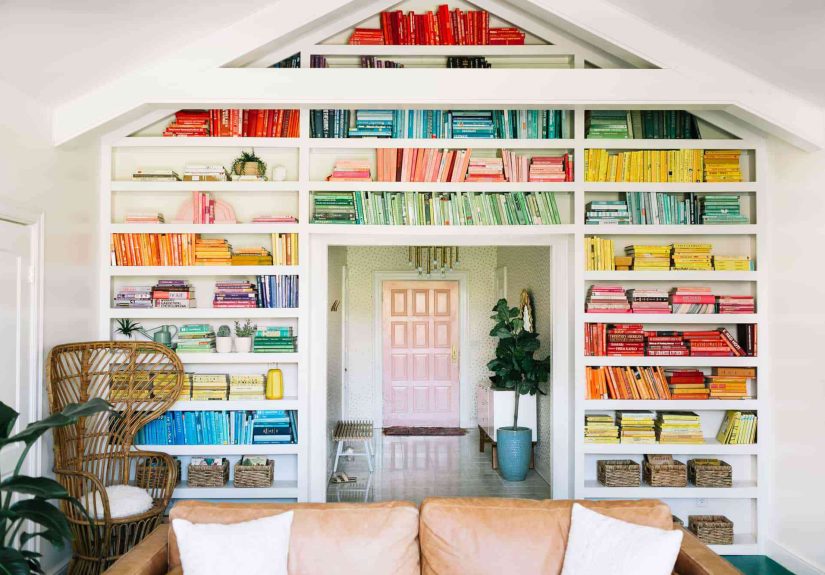
- 6) Build shelves around a doorway for instant “library architecture”
- 7) Flank a fireplace with bookcases
- 8) Combine a home office and library (without making it feel like homework)
- 9) Add wainscoting or beadboard to make shelves feel built-in
- 10) Go vertical if your ceiling height allows it
- Shelving & Storage Ideas
- 11) Install floor-to-ceiling bookcases for maximum impact
- 12) Use adjustable shelves to handle real-world book chaos
- 13) Add lower cabinets for the not-so-pretty stuff
- 14) Try picture ledges for face-out “cover art”
- 15) Use corner shelving to turn awkward angles into storage
- 16) Add a rolling library ladder (or ladder-style access) for tall shelves
- 17) Create a “current reads” cart
- 18) Use baskets and magazine files to tame paperbacks and periodicals
- 19) Give kids a low shelf they can actually reach
- 20) Mix open shelving with “display zones” so it doesn’t look like a warehouse
- Seating & Comfort Ideas
- 21) Invest in one truly great reading chair
- 22) Pair your chair with an ottoman (your knees will write thank-you notes)
- 23) Build a window seat with drawers
- 24) Add a chaise lounge for long reading sessions
- 25) Use a daybed for reading + naps (the most honest lifestyle combo)
- 26) Create “two-seat” setups for shared reading time
- 27) Add floor cushions or a big pouf for flexible lounging
- 28) Layer softness: rug + curtains + throws
- Lighting & Mood Ideas
- 29) Use layered lighting: ambient, task, and accent
- 30) Install a swing-arm sconce right where you read
- 31) Add lighting inside shelves for a boutique-library glow
- 32) Choose warm bulbs and add dimmers if possible
- 33) Control daylight with sheers + blackout options
- 34) Create “fireplace energy” even if you don’t have one
- Style & Décor Ideas
- 35) Color-drench the walls and shelves for instant coziness
- 36) Use wallpaper or a mural behind shelving for personality
- 37) Organize books in a way that matches your brain
- 38) Style shelves with the “book + object + breathing room” formula
- 39) Bring in greenery (real or very convincing)
- 40) Add a gallery wall that feels like your reading taste in picture form
- Rainy-Day Extras & Tech Ideas
- Rainy-Day Reading Experiences (Extra )
- Conclusion
Rainy days have a funny way of turning us into literary creatures. The sky goes gray, the world gets quiet, and suddenly your couch starts whispering, “You should read 200 pages today.” The only problem? If your books are scattered across three rooms, your lighting is “interrogation bright,” and your “reading chair” is a dining chair with trust issues… your cozy reading session may end early.
The good news: you don’t need a mansion, a spiral staircase, or a rolling ladder that makes you feel like you own a historic estate (though… respect, if you do). With smart layout choices, comfortable seating, and layered lighting, you can build a home library that feels like a warm hugperfect for rainy day reading sessions, hot tea, and dramatically sighing at plot twists.
A Few Cozy Rules Before You Start
If you want a home library that actually gets used (and doesn’t become “that room where we store guilt and wrapping paper”), design around real life:
- Comfort wins. If seating isn’t comfortable for 30+ minutes, you’ll scroll your phone instead. Your books deserve better.
- Light is everything. You want it bright enough to read without squinting, warm enough to feel calm, and flexible enough for day-to-night.
- Storage should match your habits. Hardcovers, paperbacks, kids’ books, art books, magazineseach wants a slightly different home.
- Make it easy to maintain. A library you can tidy in five minutes is a library that stays inviting.
- Safety is part of cozy. Anchor tall shelves, keep heavy items low, and plan cords/lamps so nobody trips mid-chapter.
Layout & Architecture Ideas
1) Claim a “quiet corner” with intention
You don’t need a full roomjust a defined zone. A corner with a chair, a small table, and a lamp becomes a reading destination when you treat it like one (not like leftover space).
2) Turn a hallway into a mini library runway
Hallways are underrated. Add slim bookcases or sturdy wall shelves, then place a small bench at one end. It’s like walking through your own bookshopminus the “please don’t read that while standing” guilt.
3) Convert a closet into a “book cave”
Closet libraries are peak cozy. Add shelves, wallpaper, and a small stool or cushion. When you’re tucked inside, the rain sounds like an audiobook soundtrack you didn’t even pay extra for.
4) Use the space under the stairs
Under-stairs nooks are naturally snug. Built-ins or fitted shelving make it feel custom, and a small reading chair nearby completes the “secret passage but make it literature” vibe.
5) Lean into attic eaves and sloped ceilings
Attics feel storybook by default. Low shelves under the slope plus a lounge chair or daybed creates a hideaway that practically demands a mystery novel and a blanket.
6) Build shelves around a doorway for instant “library architecture”
Framing a doorway with bookcases makes any space feel intentional. It also increases storage without taking extra floor spacelike the room quietly leveled up.
7) Flank a fireplace with bookcases
This is the classic library look: shelves on both sides, a cozy seat in front, and a focal point that says “I read books that have chapters.” Even a decorative mantel setup can give that reading-room mood.
8) Combine a home office and library (without making it feel like homework)
Let books do double-duty: store work references and leisure reads together, then separate “zones” with lightingtask lighting for the desk, warm lamp light for the chair.
9) Add wainscoting or beadboard to make shelves feel built-in
Architectural trim makes even simple shelves feel finished. It’s a smart trick if you want custom character without fully custom budgets.
10) Go vertical if your ceiling height allows it
High ceilings are basically begging for tall shelving. If you can’t build a mezzanine, you can still use upper shelves for display books, baskets, or less-used collections.
Shelving & Storage Ideas
11) Install floor-to-ceiling bookcases for maximum impact
This is the quickest way to create a true “home library” look. Tall shelves feel immersive and cozy, and they store more than you thinkespecially once you stop stacking books in “temporary” piles.
12) Use adjustable shelves to handle real-world book chaos
Art books, paperbacks, oversized cookbooksbooks are not a uniform species. Adjustable shelves let your library evolve as your collection (and your taste) changes.
13) Add lower cabinets for the not-so-pretty stuff
Closed storage is the secret to a calm space. Hide chargers, notebooks, board games, and the book you’re 30% into but “definitely finishing soon.”
14) Try picture ledges for face-out “cover art”
Picture ledges let you display books like artworkgreat for kids’ books, cookbooks, or seasonal reads. It also makes browsing feel fun instead of overwhelming.
15) Use corner shelving to turn awkward angles into storage
Corners often become dead space. Corner shelves or a corner bookcase can hold a surprising number of books and make the room feel more finished.
16) Add a rolling library ladder (or ladder-style access) for tall shelves
If you’ve got height, you need safe access. A rolling ladder is dramatic in the best way, but even a stylish step stool can make upper shelving practical.
17) Create a “current reads” cart
A small rolling cart keeps your in-progress stack organized and portable. Move it near your chair, then roll it away when you want the room to look effortlessly tidy (even if you’re not).
18) Use baskets and magazine files to tame paperbacks and periodicals
Paperbacks flop. Magazines multiply. Baskets and magazine files keep them upright, contained, and easy to grabwithout turning your shelf into a paper avalanche.
19) Give kids a low shelf they can actually reach
If children live in the home, kid-height storage encourages readingand reduces the “climb the bookcase like it’s Everest” temptation. Add a labeled bin system for quick cleanup.
20) Mix open shelving with “display zones” so it doesn’t look like a warehouse
Break up the wall of books with a few styled sections: a plant, a framed photo, a small sculpture. Your shelves will look curated, not crowded.
Seating & Comfort Ideas
21) Invest in one truly great reading chair
A supportive chair is the centerpiece of a cozy home library. Look for comfortable arms, a supportive back, and enough depth to curl up without becoming a human pretzel.
22) Pair your chair with an ottoman (your knees will write thank-you notes)
Feet-up reading is a different tier of relaxation. An ottoman also doubles as extra seating or a soft surface for a book stack when your side table is full of tea and good intentions.
23) Build a window seat with drawers
Window seats feel romantic and practical at the same time. Add drawers below for extra storage and throw pillows above for a “rainy day headquarters” you’ll actually use.
24) Add a chaise lounge for long reading sessions
Chaises are made for chapters. They let you stretch out, shift positions, and settle in for the kind of reading session where you forget what time is.
25) Use a daybed for reading + naps (the most honest lifestyle combo)
A daybed turns your library into a true retreat. It’s perfect for weekend reading marathons, and it also gives guests a place to sleepassuming you’re willing to share your sanctuary.
26) Create “two-seat” setups for shared reading time
Two chairs across a small table invites quiet company: a partner reading beside you, a child with a picture book, or a friend who came over “for coffee” and never left the chapter discussion.
27) Add floor cushions or a big pouf for flexible lounging
Floor seating makes a library feel casual and welcoming. It’s great for kids, teens, and adults who enjoy reading in positions that chiropractors would prefer not to know about.
28) Layer softness: rug + curtains + throws
Textiles reduce echo and increase comfort. A plush rug underfoot, curtains by the window, and a throw within reach make the space feel warm, quiet, and ready for rain.
Lighting & Mood Ideas
29) Use layered lighting: ambient, task, and accent
One overhead light can feel harsh. Combine a ceiling fixture (ambient), a reading lamp (task), and shelf lighting (accent) so you can adjust the mood from “study mode” to “cozy novel mode.”
30) Install a swing-arm sconce right where you read
Sconces are great for small libraries because they free up table space. A swing-arm style lets you aim light at the page, then move it away when you want softer ambiance.
31) Add lighting inside shelves for a boutique-library glow
LED strips or puck lights highlight shelves and make the whole wall feel special. It’s especially cozy on rainy afternoons when daylight is low and everything looks a little cinematic.
32) Choose warm bulbs and add dimmers if possible
Warm light feels calm, and dimmers let you shift from bright reading light to evening wind-down. It’s a small change that makes the room feel more luxurious.
33) Control daylight with sheers + blackout options
Natural light is wonderfuluntil glare makes you squint. Sheer curtains soften daylight for daytime reading, while blackout panels help create a snug nighttime nook (or midday nap situation).
34) Create “fireplace energy” even if you don’t have one
A faux mantel, candle-style lighting, or a warm-toned lamp near a focal point gives the same cozy gathering feel. The goal is a comforting glow that says, “Stay awhile.”
Style & Décor Ideas
35) Color-drench the walls and shelves for instant coziness
Painting shelves and walls the same color creates a wrapped-in feelingespecially with deeper tones. It makes the room feel intentional, calm, and a little bit “private club,” but friendlier.
36) Use wallpaper or a mural behind shelving for personality
Wallpaper adds depth fast. Even a peel-and-stick pattern behind open shelves can make a simple setup feel designed. Pick subtle textures for classic style or bold patterns for playful charm.
37) Organize books in a way that matches your brain
Rainbow shelves look great, but genre or author systems can be more practical. Try a hybrid: organize by category, then create a few color moments for visual calm.
38) Style shelves with the “book + object + breathing room” formula
Mix vertical and horizontal stacks, add one decorative object per section, and leave a little open space so the shelf can visually rest. Cozy is not the same as cluttered.
39) Bring in greenery (real or very convincing)
Plants soften hard lines and make the room feel alive. If your rainy-day schedule doesn’t include plant care, high-quality faux greenery still delivers the cozy effect without the drama.
40) Add a gallery wall that feels like your reading taste in picture form
Frame book covers, quotes, prints, or vintage maps. A library should reflect what you lovewhether that’s classic literature, comics, cookbooks, or the entire fantasy genre (no judgment; dragons are emotional support animals).
Rainy-Day Extras & Tech Ideas
41) Build a “rainy day kit” station
Make a basket near your reading chair with a throw blanket, cozy socks, bookmarks, and a spare phone charger. Add a mug-friendly side table and you’ve basically created a weatherproof happiness system.
42) Add soundscapes for peak rainy-day immersion
Soft music, white noise, or cozy “library ambiance” videos can make reading feel more immersiveespecially if your real life includes barking dogs, doorbells, or someone loudly discovering snacks.
Rainy-Day Reading Experiences (Extra )
When a home library is designed well, the experience is less “I guess I’ll read” and more “I have entered my reading era.” It usually starts with sound. Rain taps at the window like it’s politely requesting entry. The room feels quieternot silent, just softened. That softness matters, because cozy reading isn’t only about books; it’s about how your environment helps your brain unclench.
Most people notice the difference the moment they sit down. A supportive chair and a real reading light changes everything. Your shoulders drop. Your eyes relax. You stop shifting every two minutes like you’re trying to decode a treasure map printed in invisible ink. Instead, you settle inand settling in is the secret ingredient.
Then there’s the tiny ritual stuff that makes rainy day reading sessions feel special. The mug goes on the side table (preferably one that doesn’t wobble like it’s auditioning for a disaster movie). A blanket gets pulled from the nearby basket. Someonemaybe youdoes that very serious “bookmark placement” moment, like this is a sacred ceremony and not a piece of paper that will inevitably fall out later.
A well-designed home library also changes how you choose what to read. When books are visible and organized, your next read doesn’t come from frantic scrolling. It comes from browsing your own shelves like you’re in a boutique bookstore where every title was selected by… you. That makes reading feel personal, not performative. On rainy days, that personal feeling is comfortingespecially when the outside world looks like it turned the saturation down.
Over time, the space starts to collect memories. Kids may drag a cushion into the nook and “read” picture books with the intensity of a tiny professor. Teens might claim the corner chair and disappear into a series for hours. Adults often discover that a library isn’t just a place to readit’s a place to pause. Even 15 minutes with a chapter can feel like a reset button when the weather is gloomy and your calendar is not.
And yes, there’s a subtle (but very real) joy in having a space that supports your hobbies. On rainy weekends, people often find themselves staying home moreso the library becomes a destination. You might light a warm lamp, put on a soft soundscape, and realize you’re not “stuck inside.” You’re exactly where you want to be. That’s the difference between a room with books and a true home library: the room invites you back.
Finally, there’s the afterglow. When you finish a chapteror an entire bookyour space makes it easier to keep going. You place the book back on the shelf, maybe on the “favorites” section, and you feel that satisfying click of completion. Outside, it’s still raining. Inside, your library feels steady, warm, and ready for the next story. Honestly, it’s hard to argue with that kind of therapyespecially when it doesn’t require an appointment.
Conclusion
The best home library ideas aren’t about copying a showroom. They’re about building a cozy, functional reading space that matches your lifeyour books, your comfort level, your square footage, and your rainy-day routine. Start small if you need to: one chair, one lamp, one shelf. Then keep layering until your home library becomes the place you naturally drift toward when the weather turns gray and your brain asks for something calm.