Table of Contents >> Show >> Hide
- Before You Cook: How to Prep Ginger Root the Smart Way
- 1. Simmer Ginger Root for Tea, Syrups, Broths, and Gentle Flavor
- 2. Sauté Ginger Root for Stir-Fries, Sauces, and Everyday Savory Cooking
- 3. Roast or Broil Ginger Root for a Milder, Sweeter Flavor
- 4. Candy or Pickle Ginger Root for Condiments, Snacks, and Big Personality
- Common Mistakes to Avoid When Cooking Ginger Root
- Final Thoughts on the Best Way to Cook Ginger Root
- Kitchen Experiences: What I Learned While Cooking Ginger Root in Real Life
- SEO Tags
Ginger root is one of those ingredients that can make a dish taste like you actually had a plan. A little goes a long way, yet somehow that little piece rolling around in the produce drawer always feels full of potential. It can be spicy, citrusy, peppery, sweet, warming, sharp, and mellow, sometimes all in the same bite. No wonder cooks keep reaching for it in soups, stir-fries, teas, baked goods, sauces, marinades, and quick condiments.
Technically, ginger is a rhizome rather than a true root, but “4 Ways to Cook Ginger Rhizome” sounds like the title of a science fair display nobody asked for. So we’ll stick with ginger root, just like everyone else. In home cooking, the goal is simple: learn how heat changes ginger’s personality. Raw ginger is bold and fiery. Cooked ginger can become fragrant, mellow, lightly sweet, and surprisingly cozy.
In this guide, you’ll learn four practical ways to cook ginger root, plus how to prep it, when to slice it, when to grate it, and how to keep it from taking over your dish like an overconfident karaoke singer.
Before You Cook: How to Prep Ginger Root the Smart Way
Before you start boiling, sautéing, roasting, or candying ginger, it helps to know what kind of piece you’re working with. Look for ginger that feels firm, plump, and heavy for its size. Smooth skin is a bonus because it usually means less waste and easier prep. Wrinkled, shriveled ginger is still technically ginger, but it has the same energy as a houseplant you forgot to water.
Do you have to peel ginger?
Not always. If the ginger is young, fresh, and you’re grating or simmering it, the peel can be thin enough to leave on. But if the skin looks tough, dusty, or papery, peel it. The easiest method is scraping with the edge of a spoon. A vegetable peeler works too, but it often removes more flesh than necessary, especially around all those weird little knobs and elbows.
How should you cut it?
The way you cut ginger changes the flavor of the whole dish:
- Grated or finely minced: strongest flavor, best when you want ginger to blend into sauces, dressings, and batters.
- Matchsticks or julienne: more texture and pop, great for stir-fries and noodle bowls.
- Coins or thick slices: gentler flavor, ideal for broths, teas, braises, and infusions.
- Large chunks: mellow background flavor, perfect when you want ginger to perfume a dish without becoming the main character.
That’s the big secret with cooking ginger root: the smaller the cut, the more assertive the flavor seems. The larger the piece, the more subtle and rounded it tastes after cooking.
1. Simmer Ginger Root for Tea, Syrups, Broths, and Gentle Flavor
If you’re new to cooking ginger root, simmering is the easiest place to start. This method pulls flavor into liquid, softens the spice, and gives you a warm, aromatic base for drinks, soups, poaching liquids, and light sauces. It’s low drama, low risk, and hard to mess up unless you somehow forget water exists.
How to do it
Slice the ginger into coins or crush a few chunks with the flat side of a knife. Add it to water, broth, or a sugar syrup and bring the liquid to a boil. Then reduce the heat and let it simmer. A short simmer of 10 to 15 minutes gives you bright ginger flavor. A longer simmer of 20 to 30 minutes creates a deeper, warmer, more rounded taste.
Best uses for simmered ginger
- Fresh ginger tea with lemon and honey
- Simple syrup for cocktails, mocktails, or sparkling water
- Soup bases and light broths
- Poaching liquid for fruit
- Rice or grain cooking liquid for subtle flavor
Simmering is also excellent when you want ginger’s flavor without fibrous bits in the final dish. After the liquid is infused, just strain out the slices. You get all the fragrance without chewing on a spicy shoelace.
Example
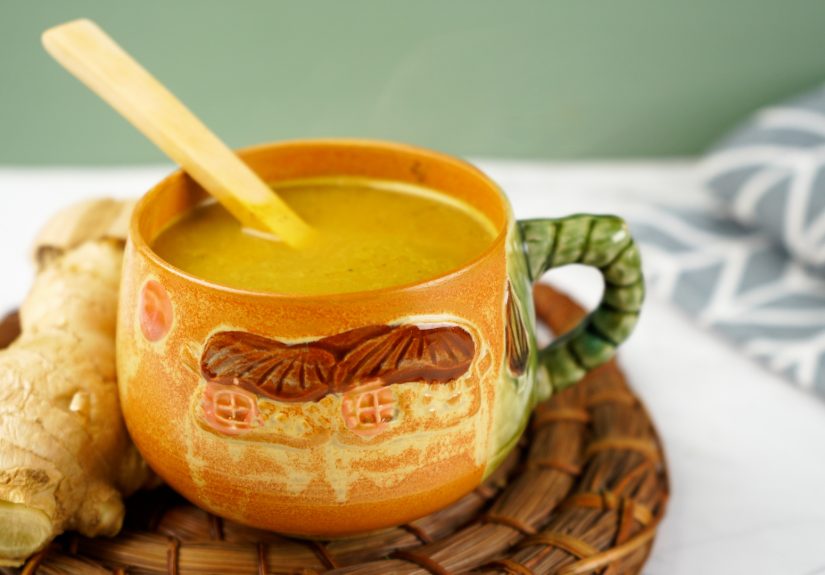
For a quick homemade ginger tea, simmer sliced ginger in water for about 10 to 20 minutes. Add honey for sweetness and lemon for brightness. For a ginger syrup, simmer ginger with equal parts sugar and water, then strain and cool. Suddenly you have the makings of a homemade soda, iced tea upgrade, or cocktail mixer that makes plain sparkling water feel wildly sophisticated.
2. Sauté Ginger Root for Stir-Fries, Sauces, and Everyday Savory Cooking
Sautéing is one of the most useful ways to cook ginger root because it transforms the flavor fast. Hot oil blooms ginger’s aroma, softens its raw bite, and helps it mingle with garlic, scallions, onions, chiles, soy sauce, sesame oil, and other bold ingredients. This is ginger in its “I can do weeknight dinner and still impress people” phase.
How to do it
Heat a little oil in a skillet, wok, or saucepan over medium or medium-high heat. Add minced, grated, or julienned ginger and stir for 15 to 60 seconds, depending on size. Then add the next ingredients quickly. Ginger burns faster than many cooks expect, especially when it’s grated, so don’t wander off to answer a text, reorganize the fridge, or contemplate your life choices.
Why this method works
Fat carries flavor. When ginger hits hot oil, its fragrance opens up and spreads through the whole pan. Finely chopped ginger disperses throughout the dish, giving you consistent flavor in every bite. Julienne or matchstick ginger stays more noticeable and gives the final dish little bursts of heat and texture.
Best uses for sautéed ginger
- Stir-fries with chicken, shrimp, tofu, or vegetables
- Curry bases with onion and garlic
- Pan sauces for fish or pork
- Fried rice and noodle dishes
- Savory marinades and glazes
One classic move is combining ginger and garlic at the start of a stir-fry. Another is briefly frying ginger with scallions, then pouring that aromatic mixture over steamed fish, rice, or greens. It’s a small step with a massive payoff. Ginger brings brightness, but it also gives savory dishes a warm backbone that makes everything taste more complete.
Common mistake
Too much ginger, cooked too long, can make a dish bitter or harsh. Start with a modest amount and taste as you go. Ginger is helpful. Ginger is flavorful. Ginger is not always subtle.
3. Roast or Broil Ginger Root for a Milder, Sweeter Flavor
Roasting is the underrated move. Most home cooks think of ginger as something you grate raw or toss into a pan, but oven heat changes it in a very different way. Roasted ginger becomes softer, less sharp, and more rounded in flavor. Instead of shouting, it starts speaking in a low, confident voice. Very attractive. Very useful.
How to do it
You can roast whole knobs of ginger or thick slices. Leave the peel on if you plan to scoop or squeeze out the soft interior later. Place the ginger on a baking sheet and roast it until it darkens, softens, and smells sweet and earthy. Some cooks prefer roasting; others broil for a more intense charred effect. Either way, the heat mellows the pungency and creates a rich, almost jammy flavor.
When roasted ginger makes the most sense
- Pureeing into soups
- Blending into sauces and dressings
- Mashing into marinades
- Adding to roasted vegetable dishes
- Stirring into warm desserts or baked fruit
This method is especially useful if raw ginger feels too aggressive for your taste. Roasted ginger still tastes like ginger, but with fewer sharp edges. It can lend warmth to a carrot soup, squash puree, chicken glaze, or even a fruit compote without making the whole dish taste like someone dumped a spice drawer into it.
Pro tip
Roasted ginger pairs beautifully with sweet-savory ingredients such as honey, soy sauce, maple syrup, citrus juice, miso, and coconut milk. It’s excellent in blended sauces because the texture becomes soft enough to mash or puree easily.
4. Candy or Pickle Ginger Root for Condiments, Snacks, and Big Personality
If you want a ginger project that feels a little more “homemade food gift” and a little less “I am simply making dinner,” try candying or pickling it. These methods still count as cooking because you’re using heat to soften the ginger before preserving it with sugar or vinegar. The result is bold, useful, and honestly kind of addictive.
Candied ginger
To make candied ginger, peel the ginger and slice it thinly. Simmer it in water until tender, then cook it with sugar until glossy and translucent. After that, let it dry and coat it lightly in sugar if you want the classic crystallized finish.
Candied ginger is spicy, sweet, chewy, and excellent chopped into cookies, scones, muffins, granola, fruitcake, trail mix, and ice cream toppings. It also makes a sneaky little snack when you want something sharp and sweet at the same time.
Pickled ginger
Pickled ginger usually starts with very thin slices, often from young ginger, which has a more tender texture. The slices are salted, then soaked in a vinegar-and-sugar mixture. The final result is bright, tangy, lightly sweet, and far more versatile than its usual sushi-sidekick reputation suggests.
Use pickled ginger in grain bowls, salads, rice dishes, noodle dishes, sandwiches, slaws, and chopped sauces. It cuts through rich food beautifully. Fried foods, roasted meats, and creamy dishes all benefit from a little acidic ginger wake-up call.
Why this method matters
Cooking ginger with sugar or vinegar shows off its flexibility. It can move from savory to sweet without losing its identity. That’s part of why ginger root is such a superstar ingredient: it doesn’t just belong in one cuisine or one category of dish. It plays well with everything from soy sauce to pears.
Common Mistakes to Avoid When Cooking Ginger Root
- Using old, dry ginger: fresh ginger has more juice, aroma, and flavor.
- Burning it in oil: ginger cooks quickly, especially when minced.
- Cutting it too large for quick dishes: oversized chunks can stay fibrous and awkward.
- Grating too much into delicate recipes: a little fresh ginger goes a long way.
- Assuming raw and cooked ginger taste the same: they absolutely do not.
Final Thoughts on the Best Way to Cook Ginger Root
The best way to cook ginger root depends on what you want from it. Simmer it when you want a soothing, fragrant liquid. Sauté it when you want quick savory depth. Roast it when you want mellow sweetness. Candy or pickle it when you want ginger to become a condiment, snack, or flavor-packed finishing touch.
That’s really the beauty of ginger. One humble knob can become tea, stir-fry, syrup, glaze, soup, candy, pickle, or dessert ingredient depending on how you heat it. Once you understand how each cooking method changes its flavor, ginger stops being a mysterious lump in the produce bin and starts becoming one of the hardest-working ingredients in your kitchen.
And that, frankly, is a lot of value from something that looks like a tiny tree branch with opinions.
Kitchen Experiences: What I Learned While Cooking Ginger Root in Real Life
The first time I cooked with fresh ginger root, I treated it like garlic with a better publicist. I peeled the entire knob, minced far too much, threw it into a hot pan, and immediately learned that ginger can go from “wow, that smells amazing” to “why is my kitchen suddenly angry?” in a matter of seconds. That was a useful lesson. Ginger rewards attention. It’s not difficult to use, but it definitely notices when you stop paying attention.
Over time, I started noticing that ginger behaves very differently depending on the cooking method. When I simmered sliced ginger for tea on a cold day, the flavor felt round and comforting. It was spicy, yes, but more in a warm-scarf way than a dramatic-fireworks way. The longer it simmered, the more the kitchen smelled like I had become the kind of person who always has fresh citrus on the counter and excellent life advice. That may not have been true, but the tea helped maintain the illusion.
Sautéing ginger taught me speed. In stir-fries, I found that grated ginger disappears into the sauce and seasons the whole dish, while matchsticks stay visible and give you those exciting little bursts of flavor. I also discovered that ginger and garlic are a wonderful pair, but only if you treat them like the fast-cooking aromatics they are. They need a brief introduction to the oil, not a long vacation there.
Roasting ginger was the biggest surprise. I expected it to be nice. I did not expect it to become one of my favorite ways to use it. Roasted ginger loses some of the sharpness that can intimidate people who think they “don’t like ginger.” Blended into soup or mashed into a glaze, it becomes softer, sweeter, and more complex. It’s the culinary equivalent of someone showing up to a party in a leather jacket, then turning out to be the nicest person in the room.
Candied ginger, meanwhile, taught me restraint, mainly because I do not naturally possess it around chewy spicy sweets. The first batch I made was intended for baking. A heroic amount of it somehow vanished before any cookie dough was mixed. That experience taught me two things: homemade candied ginger is dangerously snackable, and if you plan to use it in a recipe, you should absolutely make extra.
What I appreciate most about cooking ginger root now is how adaptable it is. It can brighten a heavy dish, deepen a broth, cut through sweetness, or add warmth without making food feel heavy. It can be subtle, or it can absolutely steal the show. Once you get comfortable with how slicing, grating, simmering, and roasting affect its flavor, you stop following ginger recipes nervously and start using ginger intuitively. That’s when cooking becomes more fun. You’re no longer asking, “What do I do with this weird knob?” You’re asking, “How do I want this dish to feel?”
And that is exactly why ginger root earns its place in the kitchen. It’s practical, flexible, and surprisingly expressive for something that looks like it was dug up next to a pirate map.