Table of Contents >> Show >> Hide
- Quick Snapshot: The 4 Ways (No Fluff Edition)
- Way #1: Delay Sex Until You’re Truly Ready (Yes, This Counts as a Strategy)
- Way #2: Choose a Reliable Birth Control Method (Then Use It Like You Mean It)
- Way #3: Use Condoms Every Time (Even If You’re Using Another Method)
- Way #4: Build a Real-Life Safety Net (Information, Access, and a Backup Plan)
- Common Myths That Lead to Unplanned Pregnancy (Let’s Retire Them)
- Putting It All Together: A Simple, Strong Prevention Plan
- Conclusion
- Experiences & Real-Life Moments (The Part People Don’t Always Say Out Loud)
Let’s be real: being a teenager is already like juggling school, friends, family expectations, and the mysterious
laws of acne. The last thing anyone needs is an unplanned pregnancy adding “life-altering plot twist” to the mix.
The good news is that preventing pregnancy isn’t about luckit’s about planning, communication, and using tools
that actually work (like a seatbelt… but for your future).
This guide is written for teens and the adults who care about them. It’s not here to judge anyone’s choices.
It’s here to help you stay in control of your body, your goals, and your timelinewith clear options and
practical steps.
Quick Snapshot: The 4 Ways (No Fluff Edition)
- Delay sex if you’re not ready (boundaries are a superpower).
- Use reliable birth control (and use it consistentlyevery time).
- Add condoms to the plan (pregnancy prevention + STI protection = win).
- Build a “real life” safety net (confidential care, backup plans, and smart decisions).
Way #1: Delay Sex Until You’re Truly Ready (Yes, This Counts as a Strategy)
The only method that’s 100% effective at preventing pregnancy is not having sex. That’s not a moral statement;
it’s a math statement.
Why delaying can be the easiest form of prevention
Lots of teens feel pressuresometimes from a partner, sometimes from friends, sometimes from social media
pretending everyone has their life figured out at 16 (spoiler: they don’t). Delaying sex gives you time to:
- figure out what you want (not what someone else wants)
- learn about contraception options before you need them
- practice saying “no,” “not yet,” or “I’m not comfortable,” without apologizing
Boundary scripts that actually work
If you want words to borrow, try these:
- “I like you, but I’m not ready for that.”
- “If we’re going to do anything, we need a plan first.”
- “No pressure. If it’s a problem, we’re not on the same page.”
Anyone who respects you will respect your boundaries. Anyone who doesn’t… has just handed you very useful
information about whether they’re safe to date.
Way #2: Choose a Reliable Birth Control Method (Then Use It Like You Mean It)
If you’re sexually active (or thinking you might be), the most effective way to prevent pregnancy is to use a
dependable contraceptive methodand use it consistently. Not “most of the time.” Not “unless it’s inconvenient.”
Pregnancy doesn’t care about vibes.
Start with the most effective options
Some birth control methods are “set it and forget it” (which is great, because teenagers are already managing
homework, sports, and remembering where they left their charger). These are often called
long-acting reversible contraception (LARC), like certain IUDs and implants. They’re among the
most effective options because they don’t rely on daily memory.
Other effective options (when used consistently)
Pills, patches, rings, and shots can work very well, but they depend on routines. If you miss doses or delay
refills, effectiveness drops. If you’re choosing one of these, build systems:
- set a daily alarm (same time, every day)
- pair it with a habit you already do (like brushing your teeth)
- keep refills on your calendar (future-you will be grateful)
Pro tip: “Perfect use” vs. “real life”
You’ll often see effectiveness described as “perfect use” (everything done exactly right) and “typical use”
(the way real humans use things, including forgetting, rushing, or guessing). When you’re choosing a method,
it helps to be honest about your lifestyle:
- If you’re forgetful, pick a method that doesn’t require daily attention.
- If you want privacy, ask about options that are less visible.
- If you’re worried about side effects, talk to a clinicianthere are many choices.
Bottom line: the “best” method is the one you can actually use correctly and consistently.
Way #3: Use Condoms Every Time (Even If You’re Using Another Method)
Condoms deserve a standing ovation for one reason: they help prevent pregnancy and reduce the risk of
many sexually transmitted infections (STIs). If birth control is your “pregnancy prevention plan,” condoms are
your “also protect your health” upgrade.
Condom effectivenesswhat those numbers really mean
With perfect use, condoms are very effective at preventing pregnancy. In real life, people make mistakes, which
is why typical-use effectiveness is lower. That’s not a reason to avoid condomsit’s a reason to use them more
carefully and pair them with another method when possible.
How to make condoms more likely to work (without turning this into a boring lecture)
- Use a new condom every time and start from the beginningno “halfway through” shortcuts.
- Check the expiration date (yes, condoms expire; yes, it’s unfair).
- Store them safely (not in a hot car or a wallet for months).
- If lubrication is needed, choose condom-compatible options to reduce breakage risk.
Why “double coverage” is smart
Using condoms plus another reliable contraceptive method is often called “dual protection.”
Translation: you’re lowering pregnancy risk and also lowering STI risk. It’s like wearing a helmet and
knee padsless aesthetic, more strategic.
Way #4: Build a Real-Life Safety Net (Information, Access, and a Backup Plan)
Even the best plans can fail if you don’t have support, accurate information, and access to care. This is where
your “safety net” mattersbecause life doesn’t always give you perfect timing or perfect circumstances.
Use confidential, teen-friendly health care
Many teens avoid health care because they’re worried a parent will automatically find out. But in the U.S.,
there are programs and clinics designed to provide confidential sexual and reproductive health services,
including family planning. Confidentiality rules can be complicated and can vary by situation and location,
but many teens can get counseling and services privately.
If you’re nervous, you can ask directly: “What parts of this visit are confidential?” A good clinic will explain
clearly and respectfullyno weird vibes.
Have an “if something goes wrong” plan
Here’s the calm, practical version of what to do if protection wasn’t used, a condom broke, or something feels
off:
- Don’t panic. Panic is loud. Plans are louder.
- Contact a clinic or health professional ASAP to ask about options.
- Ask about emergency contraception (it works best sooner rather than later).
- Ask when to take a pregnancy test for the most accurate result.
- Choose a go-forward plan (a regular method + condoms, or a more reliable option).
Emergency contraception: what it is (and what it isn’t)
Emergency contraception (EC) is a backup option that can help prevent pregnancy after unprotected sex or
contraceptive failure. It is not the same thing as an abortion pill, and it works by preventing or delaying
ovulation (timing matters).
There are different EC options, and they don’t all work the same for everyone. A clinician can help you choose
what’s most appropriateespecially if timing is tight.
Also: reduce risk by reducing chaos
Alcohol and drugs don’t “cause” pregnancy, but they can make people more likely to skip protection, ignore
boundaries, or make choices they wouldn’t make sober. If you want a prevention strategy that works in real life,
treat clear decision-making like a top-tier life skill.
Common Myths That Lead to Unplanned Pregnancy (Let’s Retire Them)
Myth: “It won’t happen the first time.”
Pregnancy can happen anytime unprotected sex happens. The “first time” myth is one of the most expensive myths
on the planet.
Myth: “Withdrawal (pulling out) is enough.”
Withdrawal is better than nothing, but it’s not a reliable plan on its own. It requires perfect timing and
self-control every single timetwo things humans are famously inconsistent at.
Myth: “If we use two condoms, that’s extra safe.”
Using two condoms at once can actually increase friction and the risk of tearing. If you want “extra safe,” use
one condom correctly and pair it with another effective method.
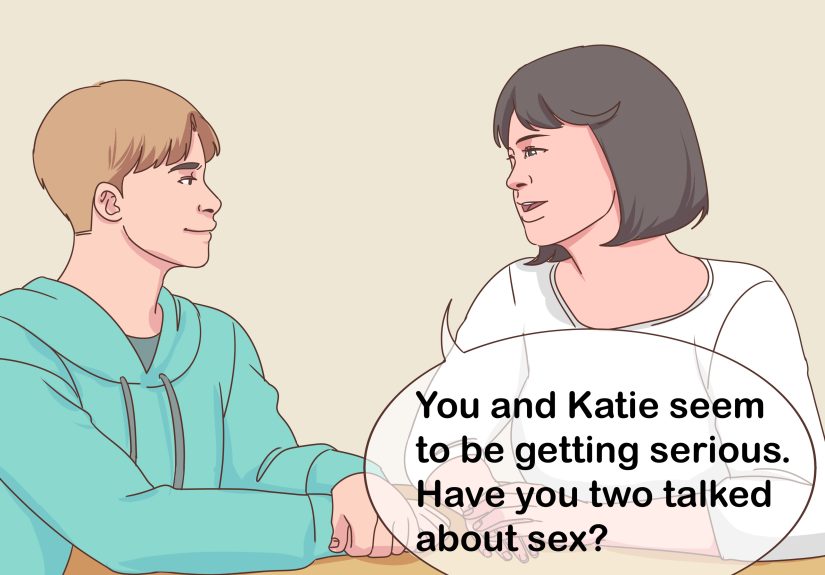
Myth: “Talking about birth control is awkward, so we’ll just… not.”
If you can discuss what to watch on Netflix for 45 minutes, you can discuss pregnancy prevention for five.
Awkward conversations are how you avoid awkward life situations.
Putting It All Together: A Simple, Strong Prevention Plan
If you want the “gold standard” of pregnancy prevention as a teen, it usually looks like this:
- Step 1: Decide your boundaries (and stick to them).
- Step 2: Choose a reliable contraceptive method you can use consistently.
- Step 3: Use condoms every time to reduce both pregnancy and STI risks.
- Step 4: Know where you can get confidential help and what to do if something fails.
That’s it. Not magical. Not complicated. Just smart.