Table of Contents >> Show >> Hide
- What Makes a Hanukkah Side Dish “Traditional”?
- 1) Potato Latkes (Crispy Potato Pancakes)
- 2) Carrot Tzimmes (Sweet Root-Veg Comfort)
- 3) Noodle Kugel (Sweet-and-Creamy Holiday Bake)
- 4) Braised Red Cabbage with Apples (Sweet, Sour, and Seriously Helpful)
- How to Build a Hanukkah Plate That Feels Balanced
- Common Mistakes (and How to Avoid Them)
- Real-Kitchen Experiences: What It’s Like to Cook These Hanukkah Sides
- Conclusion
Hanukkah is famous for candles, spinning dreidels, and the kind of cozy chaos that happens when someone says,
“I’ll just fry one more batch.” Food-wise, the holiday leans hard into oilbecause Hanukkah’s story is tied
to a miraculous supply of oil that lasted eight nights, and many communities honor that theme with crispy, golden,
fried (or at least olive-oil-friendly) dishes.
Unlike a “big meal” holiday, Hanukkah menus can be flexible: sometimes it’s a full dinner with brisket or roast
chicken; sometimes it’s a party spread; sometimes it’s “we made latkes and somehow that became dinner.”
The side dishes below work in all those scenarios. They’re traditional, recognizable, andmost importantlybuilt to
play nicely with whatever you’re serving, from salmon to pot roast to a mountain of latkes.
What Makes a Hanukkah Side Dish “Traditional”?
“Traditional” can mean a few things at a Jewish holiday table: a dish connected to the oil theme (fried or cooked in
oil), a comfort-food classic that shows up year after year, or a recipe that traveled through generations and regions.
In many American homes, the most common Hanukkah sides have Ashkenazi rootsthink potatoes, noodles, carrots, dried
fruit, and sweet-and-sour flavors.
Below you’ll find four favoriteseach with background, flavor notes, and practical tips so you can actually cook
them without turning your kitchen into an oil-scented time capsule for the next three days.
1) Potato Latkes (Crispy Potato Pancakes)
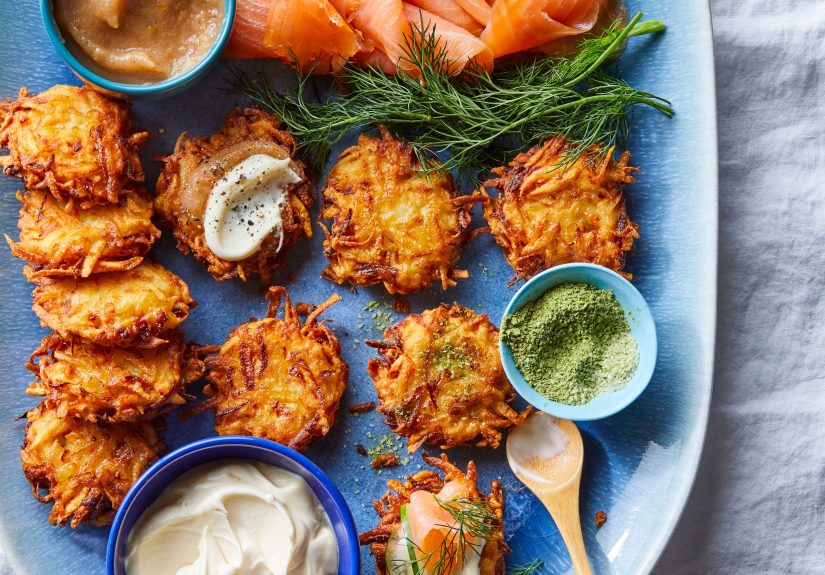
Yes, latkes are the headliners of Hanukkah. But they also function beautifully as a side dishthe crunchy
counterpart to tender braises, roasted chicken, or even a simple salad. Latkes are deeply linked to Hanukkah in many
communities because frying echoes the holiday’s oil symbolism.
What they taste like
Think: salty, savory potato with a lacy, golden crustlike hash browns got dressed up for a party. Traditionally,
latkes are served with applesauce and/or sour cream, which gives you that sweet-salty-tangy trio that makes people
“just try one more.”
The key technique: manage moisture
The difference between “crisp perfection” and “sad potato sponge” is water. Potatoes and onions release moisture,
so most reliable latke methods focus on squeezing out liquid, then using starch and/or a binder (like eggs and matzo
meal) to hold the mixture together.
A simple latke blueprint
- Base: grated potatoes + grated onion
- Bind: eggs + a bit of matzo meal (or flour outside Passover)
- Season: salt and pepper (be generouspotatoes need it)
- Fry: in a neutral, high-heat oil until deeply golden and crisp
Make-ahead + serving tips
-
Keep them crisp: hold cooked latkes on a wire rack in a warm oven so steam doesn’t soften them.
(A plate is basically a humidity trap.) - Plan portions: if latkes are a side, 1–2 per person works; if latkes are the main event, plan 3–4.
-
Upgrade toppings: applesauce and sour cream are classics, but try herby yogurt, smoked salmon,
or a quick lemony salad on the side for balance.
2) Carrot Tzimmes (Sweet Root-Veg Comfort)
Tzimmes is one of those dishes that feels like it’s giving you a warm hug while also politely insisting you take a
second helping. Traditionally associated with Ashkenazi cooking, tzimmes is often built around carrots and other root
vegetables, usually sweetened with honey or brown sugar and dotted with dried fruit.
Why it belongs on a Hanukkah table
Even though tzimmes shows up frequently at other holidays (like Rosh Hashanah), it’s a natural Hanukkah side because
it pairs so well with fried foods and rich mains. Sweet carrots and prunes are basically a built-in sauce for roast
chicken, brisket, or turkeyplus it adds color to a table that might otherwise be fifty shades of beige.
Flavor profile
Sweet, glossy, and warmly spicedoften with cinnamonbalanced by gentle savory notes from onions and salt.
Many versions include orange juice or citrus zest for brightness and dried fruit (like prunes, apricots, or raisins)
for extra depth.
A practical tzimmes blueprint
- Vegetables: carrots (the classic) + sweet potatoes or yams for body
- Sweetener: honey, brown sugar, or a mix
- Liquid: orange juice, a splash of water, and/or a little oil
- Fruit + spice: prunes/apricots/raisins + cinnamon (and maybe a pinch of salt to keep it honest)
- Cook: low and sloweither baked or gently simmereduntil glossy and tender
Make-ahead + serving tips
- Great the next day: like many braised dishes, flavors deepen overnight.
- Balance sweetness: if it tastes “dessert-y,” add a pinch more salt or a squeeze of citrus.
- Texture trick: keep some carrot slices thicker so the dish doesn’t turn into orange jam.
3) Noodle Kugel (Sweet-and-Creamy Holiday Bake)
Noodle kugel is a baked casserole/pudding hybrid that has “family tradition” energy baked right in. In many American
Jewish households, it’s a staple at holidays and Shabbat dinnersmade with egg noodles and a rich dairy custard.
Some versions lean sweet with cinnamon and raisins; others flirt with savory.
What it tastes like
Imagine if cheesecake and French toast had a noodle-shaped babysoft, custardy, lightly sweet, and somehow
exactly what you want next to something salty and fried. The best kugels often have a contrasting top:
crisp edges, maybe a crunchy cereal topping, and a creamy center.
Why it works as a Hanukkah side
Kugel does two important holiday jobs: it feeds a crowd without drama, and it gives you a “baked” option when you
already have a frying situation happening on the stove. You can serve it alongside latkes, brisket, or roasted
vegetablesand it holds well at room temperature for parties.
A kugel blueprint you can adapt
- Noodles: wide egg noodles (cook just to al dente so they don’t go mushy in the oven)
- Dairy base: sour cream and/or cottage cheese (ricotta or cream cheese show up too)
- Custard: eggs + sugar + vanilla + cinnamon
- Mix-ins: raisins, dried cherries, crushed pineapple (yes, kugel debates are real)
- Top: optional crunchy topping (like lightly sweetened crushed cereal) for texture
Make-ahead + serving tips
- Party-proof: bake it earlier in the day and rewarm gently; it stays sliceable and neat.
- Edge lovers vs. center lovers: use a wider pan for more crispy edges, a deeper pan for more custardy middle.
- Not just sweet: reduce sugar and add sautéed onions or a pinch of black pepper for a savory-leaning version.
4) Braised Red Cabbage with Apples (Sweet, Sour, and Seriously Helpful)
If your Hanukkah plate is heading toward “all beige, all the time,” braised red cabbage is the hero you deserve.
It’s tender, jewel-toned, and built on a classic sweet-and-sour approach: cabbage cooked down with apples, vinegar,
and warm spices (often with caraway in Central/Eastern European-leaning versions).
What it tastes like
Tangy, lightly sweet, and fragrantlike the bright, vinegar “pop” your meal needed to wake everything up.
Apples bring mellow sweetness, vinegar adds balance, and slow cooking turns cabbage silky instead of crunchy.
Why it’s a great Hanukkah side
Fried foods and rich roasts love acidity. Braised cabbage cuts through oiliness, refreshes your palate, and makes
the whole meal feel more intentionallike you planned it and not like you panicked at 4:30 p.m. and started
shredding potatoes in a heroic blur.
A braised cabbage blueprint
- Base: sliced red cabbage + onions
- Sweet: apple (tart varieties work well) + a little sugar or maple
- Sour: vinegar (apple cider or red wine vinegar are common)
- Flavor: optional caraway, black pepper, maybe a splash of wine or broth
- Cook: covered at a gentle simmer until tender, then uncovered to reduce and glaze
Make-ahead + serving tips
- Even better tomorrow: the color deepens and flavors mellow overnight.
- Serve warm or room temp: it’s flexible for buffets and family-style dinners.
- Perfect pairings: brisket, roast chicken, sausages, or a vegetarian plate with latkes and salad.
How to Build a Hanukkah Plate That Feels Balanced
A simple way to think about Hanukkah sides is: crisp + soft + sweet + tangy. These four dishes do
exactly that.
- Crisp: latkes
- Soft/creamy: noodle kugel
- Sweet warmth: carrot tzimmes
- Tangy brightness: braised red cabbage with apples
If you’re hosting, pick two sides plus latkes and you’ll already look like you run a tiny, delicious holiday
restaurant. Pick all four and you’ll have leftovers that actually get eaten (the highest compliment any cook can
receive).
Common Mistakes (and How to Avoid Them)
Latkes that go soggy
Usually it’s moisture or overcrowding. Squeeze potato-onion shreds well, keep oil hot enough, and fry in batches.
Also: don’t stack hot latkes on a plateuse a rack.
Tzimmes that tastes too sweet
Add salt and a little acid (orange juice or a tiny splash of vinegar). Sweet dishes still need balance to feel
“dinner appropriate,” not “accidental dessert.”
Kugel that turns dry
Don’t overbake, and don’t fully cook the noodles before they go into the oven. Kugel wants a custardy middle, not
“baked noodle bar.”
Cabbage that’s harsh or watery
Cook it long enough to soften and meld, and finish uncovered so excess liquid reduces into a glossy glaze.
Real-Kitchen Experiences: What It’s Like to Cook These Hanukkah Sides
Cooking Hanukkah food has a particular rhythmpart tradition, part logistics, part “Why did I start this when my
sink is full of dishes?” If you make these four sides in one season (not necessarily all at onceunless you’re
feeling brave), you’ll notice a few universal truths.
First: latkes teach you patience. The moment you grate potatoes, the clock starts tickingpotatoes oxidize and
release moisture, and you can practically feel the mixture plotting against crispness. The “experience” most home
cooks have is that squeezing the shredded potatoes feels oddly dramatic, like you’re wringing out a tiny potato
sweatshirt after a rainstorm. And thenmagicwhen the first batch hits hot oil and turns audibly crisp, everyone
suddenly appears in the kitchen “just to check on you.” (They are not checking on you. They are hunting samples.)
Second: tzimmes is the calm one. While latkes need attention, tzimmes is the side dish that quietly becomes
everyone’s favorite without making a fussironically, given the word’s association with “making a big deal” about
something. The lived reality is that as it cooks, your kitchen starts to smell like warm spices and caramelized
carrots. People who “don’t like prunes” will still scoop it onto their plate because it doesn’t scream “I AM A
PRUNE.” It just tastes like sweet, silky depth. The best part is how forgiving it is: if your carrots are cut a bit
uneven, nobody notices; if you add extra orange juice, it tastes brighter; if it gets slightly overcooked, it turns
jammyin a good way.
Third: kugel is holiday nostalgia in a baking dish. In many families, kugel sparks strong opinionsabout raisins,
pineapple, topping choices, and whether it should be “more custard” or “more noodle.” The experience of making it is
almost always the same: you mix a bunch of humble ingredients, bake them until puffed and bronzed, and suddenly the
kitchen smells like cinnamon, vanilla, and “someone’s grandma just walked in.” When it cools, it slices neatly, and
that first squareespecially an edge pieceoften disappears before it reaches the table. Also: kugel is a social
equalizer. People who arrived “not that hungry” will absolutely accept a small slice. Then a second. Then they ask
if you’re sending leftovers home.
Fourth: braised red cabbage is the unsung hero that makes the whole meal feel lighter. The real-world moment this
dish shines is when you realize everyone’s had fried potatoes, and you need something bright. One forkful of tangy
cabbage and apple resets your palate. It’s also the side dish that behaves best at a party: it can sit warm, it can
sit room temp, it reheats without complaint, and it somehow still looks gorgeous. If you’re hosting, that reliability
feels like a small miracleyour cabbage is basically doing emotional labor.
Put all that together and you get the true Hanukkah cooking experience: a little frying, a little baking, a little
braising, and a lot of “taste-testing” that suspiciously happens right near the stove. And if you’re lucky, you end
the night with leftover latkes (rewarm on a rack), leftover kugel (cold slices are secretly amazing), and enough
tzimmes and cabbage to make tomorrow’s plate taste like the holiday got an encore.
Conclusion
Hanukkah side dishes don’t need to be complicated to feel meaningful. Latkes bring the crunch (and the oil-themed
symbolism), tzimmes adds sweet comfort, kugel delivers creamy nostalgia, and braised red cabbage offers that bright,
sweet-and-sour balance that keeps every bite interesting. Pick two or make all foureither way, you’ll build a table
that tastes traditional, feels festive, and keeps people happily hovering near the kitchen for “just one more bite.”