Table of Contents >> Show >> Hide
- What Is Inulin, Exactly?
- 1. Inulin Helps Feed Beneficial Gut Bacteria
- 2. Inulin May Improve Bowel Regularity and Digestive Comfort
- 3. Inulin May Help You Feel Fuller and Support Metabolic Health
- 4. Inulin May Support Calcium Absorption and Bone Health
- How to Add Inulin to Your Diet Without Starting a Digestive Rebellion
- Potential Side Effects and Who Should Be Cautious
- Real-World Experiences With Inulin: What People Often Notice
- Final Thoughts
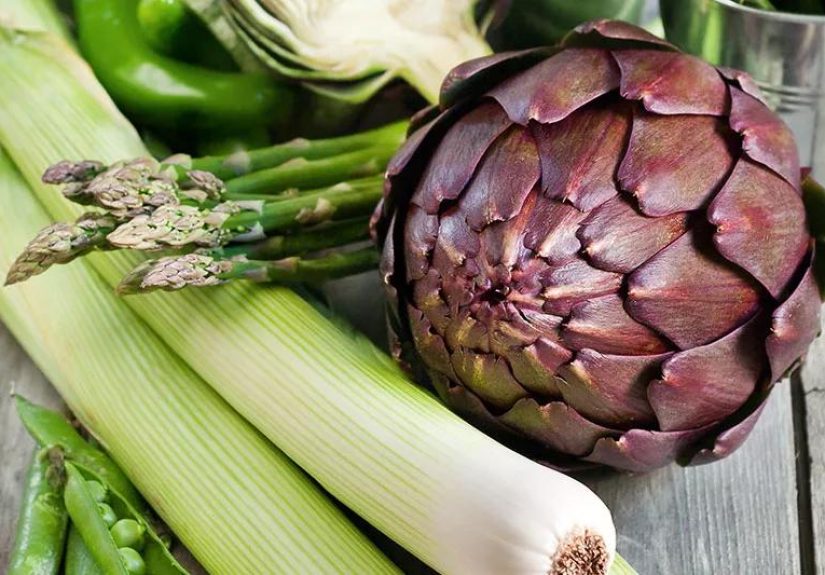
Some nutrition ingredients have the charisma of a movie star. Inulin is not one of them. It sounds more like the name of a pharmaceutical side character than a dietary fiber found in everyday foods. But despite its unglamorous name, inulin deserves a little time in the spotlight. This naturally occurring fiber is found in foods like chicory root, garlic, onions, leeks, asparagus, bananas, Jerusalem artichokes, and jicama. It is also added to some protein bars, yogurts, cereals, and fiber supplements.
What makes inulin interesting is that your body does not digest it the way it digests many other carbohydrates. Instead, it travels to the colon, where it becomes food for beneficial gut bacteria. That is why inulin is called a prebiotic fiber. Think of it as breakfast for your microbiome, not breakfast for you. While that may sound oddly generous, it is also the reason researchers and dietitians keep talking about it.
So, what can inulin actually do for your health? The short version is this: it may help support a healthier gut microbiome, improve bowel regularity, increase fullness, and even assist with mineral absorption, especially calcium. None of that means inulin is magic dust you can sprinkle over a cheeseburger and call wellness. But it does mean this fiber has some real, practical upsides when used in the context of an overall healthy diet.
Here is a closer look at the four health benefits of inulin, plus what to know before you start tossing chicory root powder into everything you drink.
What Is Inulin, Exactly?
Inulin is a type of soluble, fermentable fiber found naturally in many plants. It belongs to a group of carbohydrates called fructans. Unlike digestible carbs, inulin is not broken down in the small intestine. It moves farther along the digestive tract, where gut microbes ferment it and turn it into compounds such as short-chain fatty acids. Those compounds help support the intestinal environment and may influence several aspects of health.
Inulin shows up in food in two main ways. First, it occurs naturally in whole foods, especially plant foods. Second, manufacturers add it to processed foods to boost fiber, improve texture, replace some fat, or add mild sweetness without a sugar-heavy profile. That is why you may find it in products that market themselves as “gut-friendly,” “high fiber,” or “prebiotic.”
Common foods high in inulin include:
- Chicory root
- Jerusalem artichokes
- Garlic
- Onions
- Leeks
- Asparagus
- Green bananas
- Jicama
- Wheat and some whole grains
Now that the introductions are out of the way, let’s get to the good part: the benefits.
1. Inulin Helps Feed Beneficial Gut Bacteria
The best-known benefit of inulin is its prebiotic effect. In plain English, that means it helps nourish beneficial bacteria already living in your gut. These microbes are not freeloaders. They help with digestion, interact with your immune system, assist in producing certain metabolites, and play a role in maintaining the gut barrier.
Research on inulin and gut health suggests that it can encourage the growth of helpful bacteria, especially Bifidobacterium and, in some cases, other beneficial species. That matters because a more balanced microbiome is linked with better digestive function and, potentially, wider health benefits.
Here is where inulin earns its gold star. Because it is fermented in the colon, it helps create an environment that supports microbes your body generally likes having around. This is one reason healthcare professionals often talk about inulin as part of a fiber-rich, plant-forward eating pattern. Not because one nutrient can do everything, but because it can support the ecosystem in your gut that does quite a lot.
Why gut bacteria matter
Your gut microbiome influences more than bathroom habits. It is involved in digestion, immune signaling, inflammation, and even the gut-brain axis, which is the communication network between your digestive tract and nervous system. In other words, your gut is not just a food tube. It is more like a busy office with a lot of emails flying around.
That said, gut health is often overhyped online. A scoop of inulin is not a personality transplant for your microbiome overnight. But eating prebiotic-rich foods regularly may help support a healthier microbial balance over time.
2. Inulin May Improve Bowel Regularity and Digestive Comfort
If your digestive system has ever behaved like a moody coworker, inulin may be one of the tools that helps it cooperate. Because it is a fermentable fiber, inulin can support bowel regularity and help with stool frequency in some people. It can also contribute to softer stools by increasing bulk and drawing water into the digestive process.
For people who are not getting enough fiber overall, that can be a meaningful benefit. Many adults fall short of daily fiber recommendations, and the result is often sluggish digestion. In that context, adding inulin-rich foods may help “get things moving” in a way that sounds far more elegant in nutrition journals than it does in real life.
What this benefit can look like in practice
Someone who adds more onions, asparagus, bananas, oats, beans, or an inulin-containing fiber supplement to a low-fiber diet may notice more consistent bowel habits over time. They may also feel less backed up and less prone to the stop-and-go drama that comes with inadequate fiber intake.
Still, there is a catch. Inulin can be a little too enthusiastic if you increase it too quickly. Some people experience gas, bloating, abdominal discomfort, or loose stools, especially when starting supplements or eating large amounts. This is not your body betraying you. It is usually a sign that your gut is adjusting to a fermentable fiber it was not seeing much of before.
That is why the smartest strategy is not “maximum fiber by lunch.” It is start low, go slow, and drink enough water. Your gut likes a calm introduction, not a surprise parade.
3. Inulin May Help You Feel Fuller and Support Metabolic Health
Another one of the more talked-about health benefits of inulin is its effect on satiety, or fullness. Because inulin is a soluble fiber, it can help slow digestion and make meals more satisfying. When food empties from the stomach more gradually, you may feel full longer, which can help with appetite control and reduce overeating.
This does not mean inulin is a weight-loss miracle. Nutrition rarely works like a late-night infomercial. But it may be useful as part of a diet that emphasizes fiber-rich whole foods, balanced meals, and more stable energy intake.
Possible blood sugar and lipid benefits
Research also suggests that inulin may have promising effects on blood sugar control and cardiometabolic markers in some people, especially as part of a broader healthy eating pattern. Some reviews and trials have linked inulin-type fructans with improved insulin sensitivity, lower fasting blood glucose, or more favorable lipid metabolism. The evidence is not identical across all populations, but the direction is encouraging.
One reason may be that fermentable fibers influence gut bacteria and the production of short-chain fatty acids, which can interact with metabolism in ways researchers are still mapping out. Another reason is simply practical: foods that contain inulin often replace lower-fiber, more heavily processed options. When you choose more fiber-rich plant foods, your overall diet quality usually improves too.
In daily life, this benefit may look like fewer snack attacks at 3 p.m., more stable energy after meals, and a diet that feels more filling without relying on oversized portions. Not dramatic. Just useful. And in nutrition, useful often beats flashy.
4. Inulin May Support Calcium Absorption and Bone Health
This benefit surprises a lot of people. Fiber is usually associated with digestion, not bones. But inulin may help increase calcium absorption, particularly in younger people, and that has made it a topic of interest in bone health research.
Studies on inulin-type fructans suggest that they may improve the way the body absorbs calcium in the colon. Some research in adolescents has found increases in calcium absorption and, in certain cases, improved bone mineralization over time. Scientists believe this may be related to the changes in the gut environment created by fermentation, including lower colonic pH and microbial shifts that make minerals easier to absorb.
Important nuance here
This does not mean inulin replaces calcium-rich foods, vitamin D, strength training, or other essential habits for bone health. It is more accurate to say that inulin may be a helpful supporting player, not the entire cast. The evidence is especially notable in younger populations, and researchers continue to investigate how much this applies across different age groups and health conditions.
Even so, it is a fascinating example of how gut health and overall health are connected. A fiber that reaches the colon may end up influencing mineral absorption in ways that go well beyond digestion. That is not bad for something hiding in onions.
How to Add Inulin to Your Diet Without Starting a Digestive Rebellion
If you want to increase your inulin intake, whole foods are usually the best place to start. They provide not just fiber, but also vitamins, minerals, water, antioxidants, and other beneficial plant compounds.
Simple ways to eat more inulin-rich foods
- Add sautéed onions and garlic to soups, eggs, and grain bowls.
- Slice asparagus into pasta, roasted vegetables, or salads.
- Use leeks in soups or potato dishes for a mild onion flavor.
- Snack on banana slices with nut butter.
- Toss jicama sticks into salads or eat them with lime juice.
- Try chicory root coffee if you enjoy a roasted flavor and want a caffeine-free option.
If you choose an inulin supplement or a product with added prebiotic fiber, start with a small amount. More is not always better. Large amounts can lead to bloating, gas, cramps, and diarrhea. People with irritable bowel syndrome or those sensitive to high-FODMAP foods may find inulin particularly bothersome.
Also, remember that a supplement may help increase fiber intake, but it should not be used to patch over a generally low-quality diet. A scoop of powder is not a replacement for regularly eating fruits, vegetables, legumes, and whole grains. Helpful? Maybe. A substitute for a healthy pattern? Not really.
Potential Side Effects and Who Should Be Cautious
Inulin is generally considered safe for most healthy adults, especially in food amounts. But “safe” does not automatically mean “comfortable.” Some people tolerate it beautifully. Others meet it once and immediately regret every life choice that led to that moment.
Possible side effects of inulin include:
- Gas
- Bloating
- Abdominal cramping
- Diarrhea
- Worsening digestive symptoms in some people with IBS or FODMAP sensitivity
If you have a digestive condition, take medications that are sensitive to changes in fiber intake, or are thinking about high-dose fiber supplements, it is wise to talk with a healthcare professional. The goal is support, not gastrointestinal chaos.
Real-World Experiences With Inulin: What People Often Notice
One of the most useful ways to understand inulin is to look at how it tends to show up in real life. Not in a perfect research summary, but in actual daily routines, grocery carts, breakfast habits, and those little body signals people start paying attention to once they increase fiber. While everyone’s response is different, there are some common experiences people often describe when they add more inulin-rich foods to their diets.
The first experience is usually not dramatic. It is often something small, like feeling a bit fuller after meals. Someone who starts eating more garlic, onions, asparagus, oats, bananas, and beans may notice they are not rummaging through the pantry an hour later like a raccoon with Wi-Fi. Meals feel more satisfying. Hunger does not vanish, but it can become less chaotic.
Another common experience is improved regularity. People who previously dealt with inconsistent bowel habits often say that once they gradually increase fiber, their digestion feels more predictable. Not glamorous, but very appreciated. There is a reason digestive comfort can improve someone’s mood faster than many wellness trends. When your gut is calm, the whole day tends to feel less annoying.
Of course, there is also the adjustment phase. This is the part nobody puts on a supplement label in giant cheerful letters. If someone goes from a low-fiber diet to a large dose of inulin powder overnight, the result may be bloating, gas, or stomach discomfort. A lot of people learn this the hard way. Their takeaway is usually the same: slow down, drink water, and let the digestive system adapt. Inulin is more of a gentle habit than a challenge event.
People who rely on whole foods rather than high-dose supplements often report a smoother experience. A meal built around vegetables, legumes, whole grains, and naturally occurring prebiotic fibers tends to feel easier on the body than suddenly adding a large concentrated fiber product. That does not mean supplements are bad. It just means the body often appreciates gradual, food-based change.
Some people also become more aware of how individual their digestion really is. One person can eat onions and chicory-rich foods without any trouble, while another person with IBS may feel uncomfortable quickly. That experience can actually be useful. It reminds people that “healthy” is not one-size-fits-all, and the best dietary pattern is one that supports health and feels sustainable.
There is also a mindset shift that sometimes happens with inulin-rich eating. Because many inulin sources are plant foods, people often end up improving their overall diet almost by accident. They cook more. They eat more vegetables. They add beans to soups, roast asparagus, slice bananas into breakfast, and stop treating fiber like an optional side quest. Over time, the experience becomes less about one ingredient and more about a healthier pattern.
That may be the most realistic experience of all. Inulin rarely changes someone’s life in one week. But as part of a fiber-rich routine, it can contribute to better digestion, steadier appetite, and a more balanced relationship with food. That is not flashy. It is just the kind of quiet health improvement that tends to last.
Final Thoughts
Inulin may not be the most famous fiber in the nutrition world, but it has earned serious attention for good reason. As a prebiotic fiber, it helps feed beneficial gut bacteria, may support more regular bowel habits, can increase fullness, and shows promise for calcium absorption and broader metabolic health. That is a pretty solid résumé for something found in garlic, onions, bananas, and chicory root.
The key is to keep expectations realistic. Inulin is not a cure-all, and it is definitely not an excuse to ignore the rest of your diet. But if you want to improve your fiber intake and support your gut in a meaningful way, adding more inulin-rich foods is a smart move. Just introduce it gradually, especially if your digestive system prefers gentle negotiations over sudden policy changes.
In short, the benefits of inulin are real, practical, and worth knowing about. Your microbiome may not send a thank-you note, but it will probably appreciate the meal.