Table of Contents >> Show >> Hide
- What “No Sugar” Actually Means (So You Don’t Accidentally Declare War on Fruit)
- Why Do a 30-Day No Sugar Challenge?
- Potential Benefits (What People Often Notice)
- What to Expect: A Realistic 30-Day Timeline
- How Much Added Sugar Is “Too Much”?
- Hidden Sugar: The Sneaky Places It Shows Up
- What to Eat on a 30-Day No Sugar Challenge
- Cravings: How to Handle Them Without Starting a Feud With Your Own Brain
- Who Should Be Careful (or Skip This Challenge)
- How to Reintroduce Sugar After 30 Days (Without Face-Planting Into a Cake)
- Frequently Asked Questions
- Bottom Line
- Real-World Experiences: What 30 Days Without Added Sugar Can Feel Like
- SEO Tags
If you’ve ever looked at a yogurt label and thought, “How is this basically dessert with probiotics?”welcome.
The 30-day no sugar challenge is a reset that helps you spot sneaky sweeteners, break the
“afternoon cookie = personality” habit, and feel what it’s like to run on food instead of constant sugar spikes.
Quick note before we begin: your body needs glucose for energy, and “no sugar” doesn’t mean “no carbs.”
Most people do best aiming for no added sugars for 30 dayswhile still eating fruit, veggies,
and other foods with naturally occurring sugars.
What “No Sugar” Actually Means (So You Don’t Accidentally Declare War on Fruit)
For a realistic, healthy 30-day challenge, focus on added sugarsthe sweeteners added during
processing or preparation (think soda, candy, syrups, sweetened coffee drinks, and a shocking number of sauces).
Added sugars show up on the Nutrition Facts label in the U.S., which is extremely helpful once you start looking.
Typically included in a 30-day no sugar challenge
- No sugary drinks: soda, sweet tea, sweetened coffees, energy drinks, many “fruit” drinks.
- No desserts/sweets: cookies, cakes, ice cream, candy, pastries.
- No hidden sugars: sweetened yogurt, flavored oatmeal, most packaged granola, many cereals, sauces, dressings, ketchup, BBQ sauce.
- No “it’s basically candy” snacks: some protein bars, “health” muffins, sugary trail mixes.
Usually allowed (and encouraged)
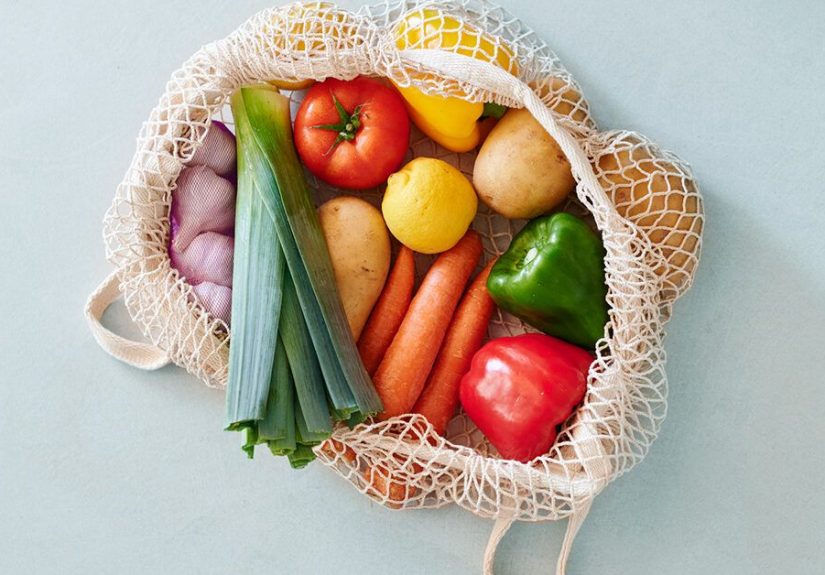
- Fruit (whole fruit, not juice) and vegetables
- Plain dairy (like plain yogurt or milk) with naturally occurring lactose
- Whole grains (especially those with low or zero added sugars)
- Protein + healthy fats to keep you full and stabilize energy
If you want a “hard mode,” you can also cut out artificial sweeteners for 30 days. Some people love that approach.
Others find it makes the challenge so miserable they start daydreaming about frosting at 10 a.m. Choose what’s sustainable.
Why Do a 30-Day No Sugar Challenge?
Most Americans consume more added sugar than recommended. The point of a 30-day reset isn’t moral superiority
(your worth is not measured in teaspoons). It’s about getting curious:
How does your body feel when added sugar stops running the show?
Common reasons people try it
- They’re tired of energy crashes and constant cravings.
- They want to support heart health and metabolic health.
- They’ve noticed “sweet” foods crowd out more nourishing options.
- They want to re-train taste buds so fruit tastes like fruit again (not “meh”).
Potential Benefits (What People Often Notice)
Everyone’s experience varies, but here are benefits many people report when they reduce added sugars for a month
especially if they replace sugary foods with balanced meals (not just “willpower and sadness”).
1) Fewer cravings and less “snack noise”
Added sugars can crank up the brain’s reward loop, making “just one” turn into “why is the box empty?”
Many people find cravings calm down after the first week or two as routines shift and taste buds adapt.
2) More stable energy
Big sugar hits can lead to a quick riseand then a crashespecially when paired with low fiber and low protein.
When meals include protein, fiber, and healthy fats, energy tends to feel steadier.
3) Better awareness of what you’re eating
You start reading labels. You notice patterns. You realize your “savory” sauce is basically a dessert with garlic.
That awareness is a powerful skill long after the 30 days end.
4) Easier weight management (for some people)
This isn’t guaranteed and shouldn’t be the only goal. But cutting sugary drinks and ultra-sweet snacks often reduces
excess calories without requiring intense dietingespecially when you replace them with filling, nutritious foods.
5) Support for heart and dental health
Higher added-sugar intake is associated with poorer cardiometabolic outcomes, and sugary foods/drinks are well-known
troublemakers for teeth. A month of lower sugar can be a meaningful step toward healthier habits.
What to Expect: A Realistic 30-Day Timeline
If you’re expecting a magical transformation on Day 3, let’s lovingly adjust expectations.
The first week can feel weird. Then it usually gets easier.
Days 1–3: “Why am I thinking about donuts at meetings I don’t even care about?”
- Common: cravings, irritability, headaches, fatigue, feeling “off.”
- What helps: water, sleep, and meals with protein + fiber (not just salad and bravery).
Days 4–7: Taste buds begin to reboot
- Sugary foods may still call your name, but the urgency often fades a bit.
- Fruit can start tasting sweeter. Coffee may taste… like coffee.
Week 2: Fewer cravings, more routine
- Many people find cravings drop noticeably.
- You may feel more consistent energy if meals are balanced.
Week 3–4: The “new normal”
- Label-reading becomes automatic.
- Highly sweet foods may taste too sweet (which is honestly a flex).
- You’ll likely notice which situations trigger cravings: stress, boredom, skipping meals, or social habits.
Important: if you feel shaky, dizzy, overly weak, or unwellespecially if you have diabetes or take medications that affect blood sugar
stop and talk with a clinician. A challenge should make you healthier, not miserable.
How Much Added Sugar Is “Too Much”?
U.S. guidance commonly recommends keeping added sugars under a certain share of total calories.
For context, the Dietary Guidelines for Americans recommend limiting added sugars to less than 10% of daily calories.
The American Heart Association suggests even lower daily limits for many adults.
Helpful benchmarks (not commandments)
- Dietary Guidelines: <10% of calories from added sugar (about 50 grams/day on a 2,000-calorie pattern).
- American Heart Association: about 25 g/day for women and 36 g/day for men (general guidance).
Your needs can differ based on age, activity, and medical conditions. Use these as guardrailsnot as a reason to panic over a tablespoon of ketchup.
Hidden Sugar: The Sneaky Places It Shows Up
Most people know cookies have sugar. The plot twist is how often sugar shows up in foods marketed as “healthy,” “natural,” or “protein-packed.”
Common “gotcha” foods
- Flavored yogurt and drinkable yogurts
- Granola, cereal, and oatmeal packets
- Protein bars and meal replacement shakes
- Pasta sauce, salad dressings, marinades
- Condiments (ketchup, BBQ sauce, sweet chili sauce)
- “Vitamin waters,” smoothies, and bottled teas
Label-reading that actually works
- Check “Added Sugars” on the Nutrition Facts label, not just “Total Sugars.”
- Scan ingredients: ingredients are listed by weight. If sugar (or syrup) is near the top, you’ve got your answer.
- Look for patterns: if every snack in your pantry has added sugar, the pantry is basically a candy store with better lighting.
What to Eat on a 30-Day No Sugar Challenge
The goal is not to eat “perfectly.” The goal is to eat in a way that makes added sugar less tempting:
regular meals, enough protein, enough fiber, and food you genuinely enjoy.
Breakfast ideas (no sad desk yogurt required)
- Eggs + sautéed veggies + avocado
- Plain Greek yogurt + berries + chopped nuts + cinnamon
- Overnight oats made with unsweetened milk + chia + fruit
- Whole-grain toast + peanut butter (check label) + banana slices
Lunch and dinner ideas
- Big salad with chicken or beans + olive oil & vinegar
- Stir-fry with veggies + tofu/chicken + garlic/ginger (skip sugary sauces)
- Salmon + roasted vegetables + quinoa or brown rice
- Tacos with seasoned meat/beans + salsa + veggies (watch sweetened tortillas/sauces)
Snacks that don’t feel like punishment
- Apple + nut butter
- Cheese + crackers with low/no added sugar
- Hummus + veggies
- Trail mix you make yourself (nuts + seeds + unsweetened coconut flakes)
Cravings: How to Handle Them Without Starting a Feud With Your Own Brain
Cravings aren’t a character flaw. They’re often a mix of habit, stress, hunger, and biology.
Try these tactics before you white-knuckle your way through Day 5.
1) Eat enough at meals
A “no sugar” challenge turns into chaos if you’re under-eating.
Include protein (eggs, fish, poultry, tofu, beans), fiber (vegetables, beans, whole grains),
and healthy fat (olive oil, avocado, nuts) so you feel satisfied.
2) Use the “delay + distract” combo
Cravings peak and fade. Set a 10-minute timer, drink water or tea, take a quick walk, and reassess.
If you’re still hungry, choose a balanced snack.
3) Plan for your danger zones
If your craving hits every day at 3 p.m., that’s not “weakness”it’s a predictable pattern.
Pre-pack a snack, schedule a break, or move your afternoon coffee earlier and keep it unsweetened.
4) Don’t let “perfect” ruin “better”
If you mess up once, it doesn’t mean the month is “ruined.”
One cupcake is a cupcake, not a legally binding contract to quit.
Who Should Be Careful (or Skip This Challenge)
A 30-day no added sugar challenge is generally safe for many people, but it’s not one-size-fits-all.
You should get medical guidance first if you:
- Have diabetes or take medications that affect blood sugar
- Are pregnant, breastfeeding, or have a history of eating disorders
- Have a medical condition requiring specific carbohydrate management
- Notice the challenge triggers anxiety, obsession, or restrictive behaviors
For teens: your body is still growing. The healthiest approach is usually learning to limit added sugars
while still eating enough overallespecially protein, calcium-rich foods, and complex carbs.
How to Reintroduce Sugar After 30 Days (Without Face-Planting Into a Cake)
The goal isn’t “never eat dessert again.” The goal is to choose sweets on purpose instead of accidentally consuming
a full day’s worth of added sugar in coffee creamer.
A simple reintroduction plan
- Keep your new baseline: continue avoiding sugary drinks most days.
- Pick 1–2 intentional treats per week: something you truly enjoy.
- Pair sweets with a meal: it can reduce the “spike and crash” experience.
- Watch how you feel: energy, mood, sleep, cravings, digestion. Your body gives feedback.
Frequently Asked Questions
Is fruit “sugar”?
Fruit contains natural sugars plus fiber, water, vitamins, and antioxidants. Whole fruit is very different from added sugar
or fruit juice. Most “no sugar” challenges allow fruit.
Can I have honey or maple syrup?
They’re still added sugars. Some people allow small amounts, but if you want a true reset, skip them for 30 days.
You’ll be surprised how quickly your taste adjusts.
Will I get “sugar withdrawal”?
Some people experience short-term symptoms like headaches, irritability, or fatigueespecially if their usual diet is high in added sugars.
The good news: it often improves within days to a couple weeks as routines stabilize.
Do I need to cut carbs too?
No. Cutting added sugar is not the same as going low-carb. Whole grains, beans, fruits, and starchy vegetables can absolutely fit.
Bottom Line
The 30-day no sugar challenge is less about “being good” and more about getting informed.
For many people, removing added sugars for a month can reduce cravings, stabilize energy, and make it easier to spot hidden sweeteners.
The biggest win is the skill you take with you: reading labels, building balanced meals, and choosing treats with intention.
: Experiences
Real-World Experiences: What 30 Days Without Added Sugar Can Feel Like
Let’s talk about the part nobody posts in the highlight reel: the first week can feel like your brain is filing
a formal complaint. People often describe it as a mix of “Why am I tired?” and “Why does everything smell like cinnamon rolls?”
That’s not you being dramaticit’s your routine changing. If your normal day includes sweetened coffee, a midday treat,
and a “just one” snack at night, your body and habits are used to frequent sugar cues. Removing them can feel like
taking your phone off notifications: quieter… but weirdly uncomfortable at first.
A common experience is realizing how much of your sugar intake was accidental. Someone might start the challenge thinking,
“I don’t even eat candy,” then discover their “healthy” breakfast is flavored oatmeal plus sweetened yogurt plus a granola topper.
The first shopping trip becomes a label-reading scavenger hunt. Many people find it frustrating for about 20 minutes,
then empoweringbecause once you see added sugars everywhere, you also see all the choices that don’t rely on them.
Cravings tend to show up in patterns. People often report a specific “witching hour”like 3 p.m.when their brain demands something sweet
as if it’s collecting a debt. What usually helps most is not a magical supplement or a complicated ritual; it’s simply having a plan.
A protein-and-fiber snack (nuts and fruit, hummus and crackers, yogurt and berries) can take the edge off. So can a short walk,
a glass of water, or even brushing your teeth to signal “kitchen closed.” The key lesson many people learn is that cravings
aren’t constantthey rise, peak, and fade. Once you’ve ridden them out a few times, they feel less bossy.
By week two, a lot of folks notice taste changes. Fruit can taste sweeter. Dark chocolate can taste more intense.
Some people report that packaged foods they used to love now taste “oddly sweet,” like the flavor is trying too hard.
That’s a pretty cool shift because it means you’re not chasing bigger and bigger sugar hits to feel satisfied.
Another frequent report is steadier energyespecially for people who used to rely on sugary drinks or pastries for quick fuel.
Not everyone gets a dramatic glow-up, but many notice fewer afternoon slumps and less late-night snack urgency.
Social situations are where the challenge gets real. Birthdays happen. Office treats appear. Someone offers you dessert like it’s an act of love.
People who complete 30 days often say the biggest skill they gained wasn’t “never eating sugar”it was learning to decide ahead of time.
Some choose to stay strict for 30 days and then plan a reintroduction. Others pick a small number of special events and treat them as exceptions,
then go right back to normal. Either way, the experience teaches you that one sweet moment doesn’t need to spiral into a week-long sugar comeback tour.
The most valuable “experience takeaway” might be this: after 30 days, people often feel more in control, not more restricted.
They can enjoy something sweet because they want itnot because they feel pulled by habit, stress, or a blood-sugar roller coaster.
That’s a win you can carry forward: keep sugary drinks rare, keep breakfast lower in added sugar, and save desserts for the stuff you genuinely love.
Your future self will thank youand your pantry will stop cosplaying as a bakery.