Table of Contents >> Show >> Hide
- Why Trick Training Works for Cats
- Before You Start: Set Your Cat Up for Success
- Way #1: Capture Natural Behaviors
- Way #2: Use Lure Training
- Way #3: Use Target Training
- Best Starter Tricks for Most Cats
- Common Mistakes That Slow Training Down
- How Long Does It Take to Teach a Cat a Trick?
- Real-Life Experiences: What Teaching Cat Tricks Actually Feels Like
- Conclusion
Cats have a public relations problem. For years, they’ve been accused of being “untrainable,” which is a little unfair coming from a species that still forgets where it left its car keys. The truth is that many cats can learn tricks, cues, and routines surprisingly well. They just do it with a certain level of dramatic flair and emotional negotiation. In other words, they are trainable. They are also unionized in spirit.
If you want to teach your cat to sit, spin, touch a target, come when called, or offer a glorious little high five, the secret is not force, dominance, or a long lecture about teamwork. It is smart, rewards-based training. Cats learn best when the experience feels safe, fun, and worth their time. That means short sessions, clear timing, good treats, and patience when your furry student decides to take a mid-class bath break.
In this guide, you’ll learn three effective ways to teach your cat to do tricks: capturing natural behaviors, lure training, and target training. You’ll also get step-by-step examples, troubleshooting tips, and real-world advice to help you turn “mysterious roommate” into “tiny striped overachiever.”
Why Trick Training Works for Cats
Teaching your cat tricks is not just about showing off during video calls. Trick training gives cats mental stimulation, physical activity, and a stronger bond with their people. It can also make daily life easier. A cat that learns to come when called, step onto a mat, or touch your hand on cue is a cat that may handle carriers, grooming, nail trims, and vet prep with less stress.
Even better, training gives indoor cats something productive to do. Instead of inventing chaos at 3 a.m., they get a brain workout that taps into curiosity, movement, and problem-solving. A few minutes of training can go a long way, especially for energetic cats who seem to believe every countertop was designed as a parkour course.
Before You Start: Set Your Cat Up for Success
Choose the right reward
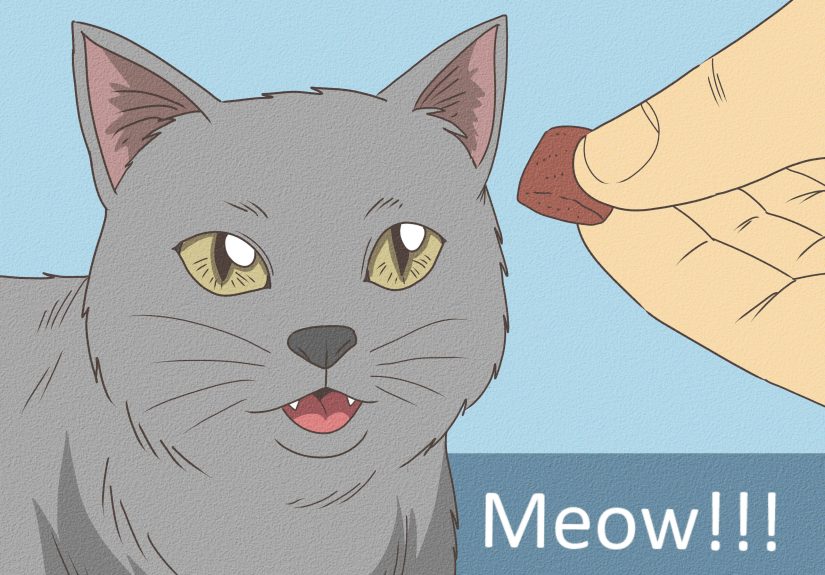
Most cats work best for highly valued treats, but food is not the only option. Some cats prefer a favorite toy, a quick play burst, praise, petting, or a squeeze treat. The reward should be something your cat genuinely loves, not something you assume they should appreciate out of politeness.
Keep sessions short
Cat training sessions should be brief and upbeat. Think minutes, not marathons. A bored cat will clock out quickly, and a frustrated cat will definitely not be leaving a positive review. End while your cat is still interested, not after they’ve turned their back and started licking a shoulder in protest.
Train one behavior at a time
If you try to teach sit, spin, come, target, and high five all in one afternoon, your cat may decide your curriculum lacks focus. Start with one simple behavior and repeat it consistently. Once your cat understands the game, adding new tricks becomes much easier.
Use a marker
A marker tells your cat the exact moment they did the right thing. Many people use a clicker, but a short verbal marker like “yes” can work too. The marker is powerful because it bridges the tiny gap between the right action and the reward. It tells your cat, “That right there. Do that again.”
Watch your cat’s mood
The best training happens when your cat is alert, comfortable, and mildly interested in rewards. If your cat walks away, flops down, gets distracted, or gives you the classic expression of “I regret knowing you,” pause and try later. Training should feel like enrichment, not pressure.
Way #1: Capture Natural Behaviors
Capturing is one of the easiest ways to teach a cat because you are not forcing the behavior or physically guiding it. You simply wait for your cat to do something naturally, mark it, and reward it. Over time, your cat realizes that a specific action makes good things happen. Then you can add a cue.
This method works beautifully for behaviors cats already offer on their own, such as sitting, making eye contact, stepping onto a mat, or coming closer.
How capturing works
- Have your clicker or verbal marker ready.
- Wait for your cat to perform the behavior naturally.
- The instant it happens, click or say “yes.”
- Immediately reward your cat.
- Repeat over several short sessions.
- Once the behavior happens more often, add a cue just before it occurs.
Example trick: Teach your cat to sit
Cats sit all the time, especially when they’re waiting for something interesting to happen. That makes “sit” a perfect capture behavior. The next time your cat sits on their own, mark it the instant their rear touches the floor and reward them. After enough successful repetitions, begin saying “sit” right before you think they are about to do it. Soon your cat will connect the cue to the action.
The beauty of capturing is that it respects your cat’s natural movement. There’s no pushing, no repositioning, and no awkward choreography. Your cat feels clever because, frankly, they are being clever.
Why this method is great
Capturing is low-pressure, beginner-friendly, and ideal for cats who dislike being lured with food close to their face. It also teaches you to notice your cat’s behavior more carefully, which makes you a better trainer. Think of it as less “commanding a performer” and more “rewarding a tiny improvisational artist.”
Way #2: Use Lure Training
Lure training uses a treat or toy to guide your cat into position. It is often the fastest way to teach movement-based tricks because the reward helps show your cat what you want before they fully understand the cue. The important part is that the lure should fade over time. Otherwise, your cat may decide they only perform when bribery is visible, which, to be fair, is not entirely irrational.
How lure training works
- Hold a treat near your cat’s nose.
- Move it slowly so your cat follows the motion.
- When your cat completes the desired movement, mark and reward.
- Repeat until the movement becomes smooth and predictable.
- Add a verbal cue.
- Gradually remove the visible lure so your cat follows the cue and hand signal instead.
Example trick: Teach your cat to spin
Start with your cat standing and interested in a reward. Hold the treat near their nose and move your hand in a small circle. Your cat will likely turn to follow it. The moment your cat completes the spin, mark and reward. Keep the motion small and easy at first. After several repetitions, say “spin” right before the hand motion. Later, reduce the size of the hand signal until the verbal cue does most of the work.
Spin is a fun early trick because many cats enjoy following a moving treat, and the motion is easy to see and reinforce. It is also a crowd-pleaser. Nothing says “I have somehow become a feline life coach” like a cat who spins on cue in the kitchen.
When lure training helps most
Lure training is excellent for tricks involving body movement, such as spin, weave, stand, or stepping onto a stool. It gives nervous beginners a clear starting point and helps create fast wins. Just remember: the lure is a teaching tool, not a permanent dependency.
Way #3: Use Target Training
Target training teaches your cat to touch or move toward a specific object, such as a target stick, spoon, chopstick, or even your hand. Once your cat understands “touch the target,” you can use that skill to teach all kinds of tricks: high five, jump through a hoop, step onto a perch, go to a mat, or come closer when called.
This is one of the most versatile ways to teach cat tricks because it turns abstract requests into something visible and clear. Instead of asking your cat to magically understand what “over here, but with enthusiasm” means, you’re giving them a concrete task.
How target training works
- Present the target a few inches from your cat’s nose.
- Most cats will sniff it out of curiosity.
- The instant your cat touches it, mark and reward.
- Repeat until your cat deliberately reaches for the target.
- Move the target slightly farther away or into a new position.
- Use the target to guide your cat into new tricks.
Example trick: Teach your cat a high five
Once your cat understands targeting, raise the target slightly above nose level and a bit to one side. Many cats will lift a paw to reach it. The moment the paw comes up and touches the target, mark and reward. After several successful repetitions, you can switch from the object target to your open palm. Add the cue “high five,” and celebrate the fact that your cat now has better networking skills than most adults.
Why target training is so powerful
Targeting builds precision. It is especially helpful for cats who get confused by broad hand motions or who lose interest quickly. Because the task is simple and obvious, cats often gain confidence fast. That confidence can carry into cooperative care behaviors too, such as stepping onto a mat, entering a carrier, or holding still briefly for handling.
Best Starter Tricks for Most Cats
If you’re not sure where to begin, start with one of these:
- Sit: easy to capture and easy to reward.
- Touch: great foundation for target training.
- Spin: easy to lure and fun to show off.
- Come: practical and useful in daily life.
- High five: adorable, simple, and very social-media-friendly.
Choose the trick that best matches your cat’s personality. A food-motivated cat may love spin. A curious cat may enjoy touch. A polite cat who already sits near you when treats appear is basically asking to be promoted.
Common Mistakes That Slow Training Down
Clicking too late
If your marker comes after the behavior is over, your cat may think you rewarded something else. Timing matters. Mark the exact moment, then deliver the reward quickly.
Training too long
Long sessions often lead to boredom, distraction, or frustration. Keep it short and successful.
Moving too fast
If your cat is struggling, make the task easier. Reward smaller steps. Training is not an exam; it is communication.
Using punishment
Punishment can create stress and confusion, and it does not teach your cat what to do instead. Reward the behavior you want. Ignore or redirect the rest.
Being inconsistent
If one family member says “sit,” another says “park it,” and a third waves a shrimp in the air like a motivational speaker, your cat may have questions. Use the same cue and same criteria every time.
How Long Does It Take to Teach a Cat a Trick?
Some cats catch on in a few short sessions. Others take days or weeks. Progress depends on your cat’s motivation, your timing, the difficulty of the trick, and whether the training environment is calm enough to compete with, say, the sound of a mysterious cabinet door opening somewhere in the house.
The goal is not speed. The goal is understanding. A cat who learns slowly but happily is doing better than a cat who learns quickly under pressure. Let your cat set the pace, and aim for consistency over intensity.
Real-Life Experiences: What Teaching Cat Tricks Actually Feels Like
On paper, cat training sounds wonderfully neat. You click. Your cat performs. You reward. A tiny genius emerges. In real life, it is more like a buddy comedy with snacks.
The first experience most people have is surprise. The moment a cat clearly connects action and reward, something shifts. You stop seeing training as a dog thing awkwardly borrowed for cats, and you start seeing your cat as an active participant in the whole process. They are watching you just as closely as you are watching them. They notice patterns. They test outcomes. They make choices. And yes, sometimes they absolutely game the system.
For example, many cats discover very quickly that partial effort still gets a reaction. If you are teaching “spin,” your cat may offer a quarter turn, then a half turn, then stare at you as if to say, “I believe we have both seen enough to know I understand the concept.” That is when training becomes less about getting the perfect trick immediately and more about sharpening communication. You learn to reward the correct step, not the charming almost-step.
Another common experience is learning how much environment matters. A cat who can do a flawless sit in the quiet bedroom may suddenly forget every life skill in the kitchen when the refrigerator hums, a bird appears outside, or someone rustles a bag three rooms away. This is normal. Cats do not generalize behavior as automatically as humans expect. One of the most useful lessons in trick training is that a behavior is not truly learned until your cat can do it in different places, at different times, and with mild distractions.
There is also a bonding effect that sneaks up on people. Repeated short sessions create a routine your cat begins to anticipate. You may notice your cat showing up at the usual training spot around the usual time, suddenly attentive and suspiciously cooperative. That anticipation is meaningful. It shows your cat does not view training as a chore. They view it as a predictable game that pays well.
Perhaps the most valuable experience is realizing that progress is rarely linear. Some days your cat looks like a furry valedictorian. Other days they appear to have forgotten their own name. That does not mean the training failed. It usually means your cat is tired, overfed, under-motivated, distracted, or simply not in the mood. Good trainers do not interpret every off day as a setback. They adjust, simplify, and come back later.
And then there are the small victories that feel ridiculously large. The first real high five. The first clean spin on cue. The first time your cat comes trotting over because you called them. Those moments are delightful not because the trick is complicated, but because communication happened. Your cat understood you, chose to participate, and got rewarded for it. That is the magic of training: not control, but cooperation.
So if your own training journey feels a little messy, a little funny, and occasionally powered by pure turkey puree, congratulations. You are doing it right.
Conclusion
If you want to teach your cat tricks, you do not need a circus tent, a strict voice, or a mystical connection to feline royalty. You need a clear method, a reward your cat loves, and the patience to build one tiny success at a time. Capturing helps you reward behaviors your cat already offers. Lure training helps you shape movement. Target training gives you precision and endless trick possibilities.
Start small, keep it fun, and remember that the best-trained cat is not the one who performs the most tricks. It is the one who feels safe, engaged, and eager to play the learning game with you. If your cat masters sit, touch, or high five, that is a win. If they also develop the confidence to enter a carrier more calmly or participate in daily care with less drama, that is an even bigger one.
And if your cat learns one trick and then acts like a celebrity who only works under very specific snack conditions, welcome to cat training. You have succeeded beautifully.