Table of Contents >> Show >> Hide
- Way #1: Cut the Fuel Supply (AKA Stop Feeding the Crush)
- Way #2: Rewire the Story in Your Head (Cognitive Reappraisal That Actually Helps)
- Way #3: Replace the Attachment Loop (Build a Life Your Crush Can’t Compete With)
- Quick Reality Check: When “Stop Falling in Love” Might Be a Safety Issue
- Conclusion: You Don’t Need to Be HeartlessJust Less Available to the Feeling
- Extra: of Real-World Experiences (Composite Stories)
Falling in love can feel like your brain hired a full-time DJ whose entire playlist is
“That One Person (Remix)”. It’s thrillinguntil it’s not. Maybe the person is unavailable,
bad for you, your coworker who microwaves fish (a red flag in any language), or someone you
genuinely care about but should not romantically attach to.
Here’s the uncomfortable truth: you can’t always turn off feelings on command, but you can
absolutely change how often they show up, how intense they feel, and how much they run your day.
Psychologists call this emotion regulation; in the context of romance, it’s basically a
love detox planwith fewer smoothies and more boundaries.
Below are three practical, research-aligned ways to stop falling in love (or to stop feeding the crush)
without pretending you’re a robot. Each method comes with specific steps and real-world examples,
because “just move on” is not adviceit’s a bumper sticker.
Way #1: Cut the Fuel Supply (AKA Stop Feeding the Crush)
Romantic feelings don’t grow in a vacuum. They grow in repeated exposure, constant
reminders, and little mental reruns of “what could be.” If you want to stop falling in love,
your first move is brutally simple: reduce the inputs that keep the feeling alive.
Step 1: Do “Situation Selection” like an adult
Situation selection is the fancy term for choosing environments that don’t keep poking the bruise.
If you keep “accidentally” ending up where they are, your brain learns: We do this because we like pain.
- Avoid predictable collision points: the usual coffee run, the same gym time, the same bar.
- Create friendly distance: you don’t have to be rudeyou just have to be rare.
- Swap routines: new routes, new playlists, new places. Your brain notices novelty and chills out.
Example: If you have a crush on a friend’s partner, you don’t “power through”
weekly hangouts hoping you’ll become enlightened. You go less often. You sit farther away.
You stop volunteering to be their emotional support side character.
Step 2: Control the digital drip
Social media is basically a love-feelings IV. One photo, one story, one “accidental” scroll andboom
you’re back in the emotional spin cycle. If the goal is to stop falling in love, don’t keep
re-watching the trailer.
- Mute, unfollow, or hide updates (yes, even if it feels dramaticyour nervous system doesn’t care).
- Delete shortcuts that make checking easy (apps, message threads, saved photos “for memories”).
- Set a “no checking” window (start with 7 days; your brain can do hard things).
Step 3: Build a “No-Contact Lite” plan (when full no-contact isn’t possible)
If this is a coworker, co-parent, classmate, or someone in your friend group, full no-contact may be unrealistic.
So you do the next best thing: remove intimacy.
- Keep conversations short and specific: facts, logistics, neutral tone.
- Stop the late-night texting: nothing good happens after 10 p.m. except sleep.
- No “emotional exclusivity”: don’t make them your go-to person for comfort, celebration, or venting.
Why this works: Love feelings are reinforced by attention, novelty, longing, and meaning-making.
You’re not trying to “win” against your heartyou’re trying to stop supplying it with premium-grade
romantic fertilizer.
Way #2: Rewire the Story in Your Head (Cognitive Reappraisal That Actually Helps)
Falling in love isn’t only about the personit’s also about the story you’re telling yourself:
“They’re perfect.” “We’re meant to be.” “This is rare.” “Nobody gets me like them.”
Your brain writes fan fiction. Your feelings read it and say, “More chapters, please.”
Cognitive reappraisal is a technique where you deliberately reinterpret a situation to change how you feel.
In heartbreak research, one specific flavornegative reappraisalhas been linked to reduced love feelings
(though it can sting in the short term). That sting is your fantasy losing its lease.
Step 1: Replace “ideal” with “accurate”
You’re not trying to become cynical. You’re trying to become clear.
Make a short list (seriouslywrite it) that answers:
- What are the dealbreakers? (availability, values, life goals, behavior, emotional maturity)
- What patterns would hurt me long-term? (hot/cold, inconsistency, poor boundaries, disrespect)
- What’s the cost of continuing to pine? (sleep, self-worth, time, other relationships, focus)
Example: “They’re so mysterious” becomes “They’re inconsistent and don’t communicate.”
“We have chemistry” becomes “We have novelty and tension, and my nervous system thinks that’s romance.”
Step 2: Use the “future documentary” test
Imagine a documentary narrator calmly describing the next 12 months if you keep chasing this:
- What happens when they don’t choose you?
- What happens to your confidence after the 20th mixed signal?
- What happens to your life while you’re waiting?
This isn’t pessimism. It’s probability. Your heart loves hope; your brain should at least be allowed
to read the terms and conditions.
Step 3: Grieve the fantasy (yes, that counts as grief)
Sometimes you’re not letting go of a personyou’re letting go of a future you rehearsed.
That can feel like losing something real, even if it never happened. Treat it like grief:
name it, feel it, and stop negotiating with it at 2 a.m.
- Journaling prompts: “What did I want this to represent?” “What need was it meeting?”
- Reality statement: “This feeling is intense, but intensity isn’t compatibility.”
- Compassion statement: “Of course this hurts. I’m human, not a spreadsheet.”
Why this works: Reappraisal doesn’t erase feelings; it changes the meaning that feeds them.
When the meaning shifts, the obsession loses oxygen.
Way #3: Replace the Attachment Loop (Build a Life Your Crush Can’t Compete With)
Here’s the part nobody likes: you can’t just remove loveyou have to replace what it was doing for you.
Romantic fixation often provides a dopamine hit (anticipation), a storyline (meaning), and a shortcut to feeling chosen.
If you remove that without building anything else, your brain will wander back like,
“So… we’re just raw-dogging boredom now?”
Step 1: Fill your calendar before your feelings do
Distraction gets a bad rap because people confuse it with denial. But healthy distraction is a legitimate regulation tool:
it interrupts rumination, gives your brain new rewards, and reminds you you’re still a person with options.
- Schedule two “anchoring” activities per day (walk, gym, cooking, class, project time).
- Plan social contact like it’s medicine (because it kind of is).
- Add novelty weekly: new place, new skill, new group, new routine.
Example: If evenings are when you spiral and check their profile, schedule a standing plan:
trivia night, workout class, volunteer shift, language meetup, or a friend you can call while you fold laundry
(romance is often defeated by socks).
Step 2: Redirect the “need” underneath the crush
Ask: what is this attachment doing for me?
- If it’s validation: build wins elsewhere (skill progress, career goals, fitness milestones).
- If it’s connection: deepen friendships, family ties, communities, faith groups, clubs.
- If it’s excitement: choose healthy adrenaline (sports, travel plans, performance hobbies).
- If it’s escape: address the stressor you’re escaping (therapy, boundaries, life redesign).
Step 3: Make “closure” an internal job
Waiting for someone else to provide closure is like waiting for a vending machine to apologize.
You don’t need their speech, text, or perfect explanation to move on. You need a decision:
“This is not good for me, and I’m done feeding it.”
- Write a closure letter you don’t send. Include what you hoped for, what you accept, and what you’re choosing now.
- Create a boundary mantra: “I don’t chase what doesn’t choose me.” (Say it until it’s boring.)
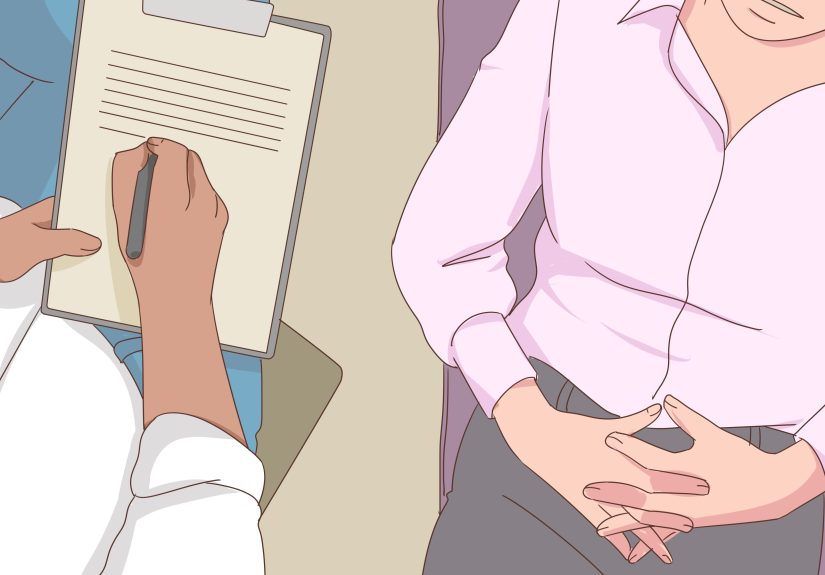
- Get support if you’re stuck: a therapist, support group, or trusted friend can help break rumination loops.
Why this works: If love is partly an attachment pattern, then your job is to form new attachments:
to people who show up, to goals that grow you, and to routines that keep you steady when feelings flare.
Quick Reality Check: When “Stop Falling in Love” Might Be a Safety Issue
If the situation involves manipulation, coercion, stalking, threats, or abuse, the goal isn’t “manage your feelings”
it’s protect your safety. In those cases, seek professional help and lean on trusted support.
Love feelings can keep people stuck in harmful situations; getting outside support can be a game-changer.
Conclusion: You Don’t Need to Be HeartlessJust Less Available to the Feeling
Stopping yourself from falling in love isn’t about becoming cold. It’s about becoming deliberate.
Cut the fuel (reduce exposure and digital triggers). Rewire the story (replace idealization with accuracy).
Replace the attachment loop (build a life with real rewards that aren’t one person’s attention).
You’ll still have momentssongs, smells, random Tuesdaysthat yank the feeling back.
That’s normal. The win isn’t “never feel.” The win is: feel it, name it, don’t feed it.
Eventually your brain gets bored, your heart gets quieter, and your life gets bigger.
Which is the most underrated revenge plot of all time.
Extra: of Real-World Experiences (Composite Stories)
To make this practical, here are three composite “experiences” based on patterns people commonly describe in therapy offices,
friend group confessions, and late-night voice notes that begin with, “Don’t judge me, but…”
These are not about one specific personthink of them as reality-inspired demos.
Experience #1: The Coworker Crush That Lives in Slack
The crush starts harmlessly: a witty comment in a meeting, a helpful DM, a “lol” that somehow feels like a hug.
Next thing you know, you’re timing your lunch break to “run into them,” rereading messages like they’re sacred texts,
and interpreting punctuation. (Two exclamation points? Marriage.)
The turning point comes when you realize the crush thrives on micro-doses. So you apply Way #1: you stop lingering after meetings,
keep DMs strictly work-related, and mute their updates. You don’t punish them; you just remove intimacy.
Then Way #2 kicks in: you reframe “We have insane chemistry” into “We have novelty, proximity, and a workplace that rewards banter.”
Finally, Way #3: you fill evenings with something that has nothing to do with Slackgym class, cooking, a side project
and your brain stops treating their typing indicator like a heartbeat monitor.
Experience #2: Falling for the Unavailable Person (A.K.A. The Emotional Gym Membership You Never Use)
They’re brilliant, complicated, and somehow always “figuring things out.” They also never fully show up.
You get just enough attention to stay hopeful, and just enough distance to keep you anxious.
It feels passionate. It’s mostly uncertainty.
Way #2 becomes the anchor: you write the “future documentary” for the next year if nothing changes.
It’s not romantic; it’s exhausting. You list the pattern: hot/cold, vague promises, no real commitment.
You grieve the fantasy version of themthe one who finally chooses youbecause that version is doing all the emotional labor.
Then Way #1: no more late-night talks, no more “accidental” check-ins. You reduce contact.
Way #3: you put your energy into relationships where you don’t have to audition. The weirdest part?
The moment your life gets full, they suddenly want more access. You keep the boundary anyway.
That’s when you realize the crush wasn’t loveit was hunger.
Experience #3: The Friend You “Shouldn’t” Love
This one is sneaky because the person is actually wonderful. You have history, inside jokes, and a deep comfort.
But it’s not mutualor the timing is wrongor crossing the line would blow up a friend group.
So you try to “be chill,” which is code for “quietly suffer while smiling.”
Way #1 looks like strategic space: fewer one-on-one hangouts, fewer intimate talks, more group settings.
Way #2 looks like honesty: “My feelings are real, but the relationship I want isn’t available.”
You reframe love as a signalnot a command. Way #3 looks like expanding your world: new friendships,
dating intentionally (not as revenge, not as avoidance), and investing in parts of yourself that existed before this friendship.
Over time, the romantic charge fades, and what remains is either a stable friendshipor a clear decision to step back.
Either way, you stop living in limbo. And limbo is where feelings go to breed.
If these experiences have a common thread, it’s this: the moment you stop treating your crush like a destiny
and start treating it like an emotional habit, you regain power. Habits can be changedespecially when you stop
feeding them, change the story around them, and build a life that doesn’t require them.