Table of Contents >> Show >> Hide
- Before You Start: Read This (Safety + What Not to Use)
- Tools & Supplies
- Method 1: Fresh Latex Paint Splatters (Soap, Soak & Lift)
- Method 2: Stuck Oil-Based Drips (Oil, Wrap & LiftNo Thinner)
- Method 3: Micro-Flecks & Film (Citrus/Soy GelLabelled Plastic-Safe)
- Huge Cautions That Save Tubs
- Aftercare: Make It Shine Again
- Prevention: Stop Splatters Before They Start
- FAQs
- Step-by-Step Summary (Quick Reference)
- In-Depth Tips from Reputable Sources
- Conclusion
- Real-World Experiences & Lessons Learned ()
- References Used to Inform This Guide
Accidentally freckled your acrylic bathtub with paint? It happensone minute you’re edging a wall, the next you’ve invented “modern art” on your tub. The good news: you can lift latex splatters and even small oil-based drips without clouding, scratching, or cracking the acrylic. The even-better news: you can do it with household tools, a little patience, and a plan that doesn’t involve nuking your tub with harsh solvents. Below are three safe, field-tested methods plus pro tips to protect the glossy finish and keep your bathroom looking like you never missed a strip of painter’s tape.
Before You Start: Read This (Safety + What Not to Use)
- Confirm the surface is acrylic, not cast iron or porcelain. Acrylic is a plastic (PMMA) with a glossy gelcoat; it’s more sensitive to chemicals and abrasion than porcelain or enamel.
- Ventilate and gear up. Open a window/turn on the fan; wear nitrile gloves and eye protection. Even “gentle” cleaners can irritate skin and lungs. Rubbing alcohol and many solvents are flammablekeep away from flames.
- Avoid harsh chemicals and abrasives on acrylic. Manufacturer guidance warns against acetone, paint removers/strippers, ammonia/bleach mixes, and abrasive pads that scratch the finish. Use only non-abrasive tools and acrylic-safe cleaners.
- Skip pumice/scouring sticks on acrylic. They’re great on porcelainbut can gouge plastic surfaces.
- Test in a discreet spot. Even “plastic-safe” products can vary; test and wait a few minutes before committing.
- Disposal matters. If you use any solvent at all (e.g., a citrus or soy gel), handle wipes/rags responsibly per EPA’s solvent-contaminated wipes rule. Never toss solvent-wet rags loosely into regular trash.
Tools & Supplies
- Microfiber cloths and non-abrasive sponge
- Warm water + a drop of dish soap
- Plastic scraper or plastic razor (no metal blades)
- Soft nylon detailing brush or old soft toothbrush
- Optional: acrylic-safe citrus/soy-based adhesive remover/paint gel (label must say safe for plastics), plastic polish
- Masking tape + plastic wrap (for longer dwell times)
Method 1: Fresh Latex Paint Splatters (Soap, Soak & Lift)
Best for:
New water-based/latex drips and specks, roller mist, and thin stains.
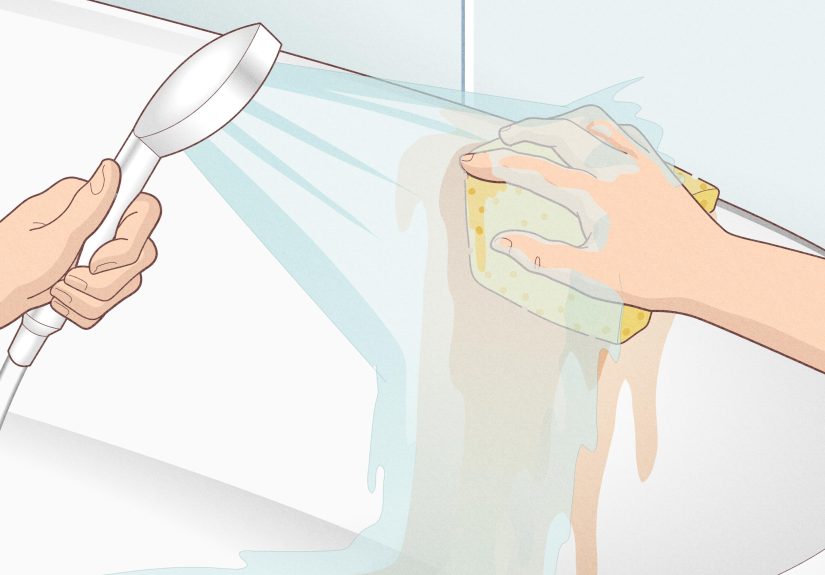
- Rinse and soften. Flood the area with warm, soapy water; let it sit 5–10 minutes to rehydrate latex paint. Keep the surface wet.
- Gently scrape. Hold a plastic scraper at a very low angle (almost flat) and nudge the softened paint free. Wipe the blade frequently on a damp cloth so you don’t smear pigment. (Plastic tools reduce scratch risk on acrylic.)
- Detail clean. For tiny freckles around fixtures, dip a soft nylon brush in the soapy solution and swirl lightly, then rinse.
- Stubborn haze? Make a mild paste of baking soda and water; rub with just your fingertips, then rinse. Avoid gritty powders that scratch.
- Final rinse & dry. Rinse thoroughly and buff dry with microfiber to prevent water spots.
Why it works: Latex paint re-softens with water and mild surfactants, so you can “float” it off the slick acrylic surface without heavy scrubbing. Keeping tools plastic and pressure light protects the gelcoat gloss.
Method 2: Stuck Oil-Based Drips (Oil, Wrap & LiftNo Thinner)
Best for:
Dried pin-drops or small drips of oil-based paint (trim enamels, alkyds) that resist soapy water.
- Pre-wet the zone. Lightly wet the surrounding acrylic so any softened paint skims instead of smearing.
- Soften with household oil. Dab the paint spot with a small amount of vegetable/olive oil; cover with plastic wrap to slow evaporation and wait 15–30 minutes. The oil helps loosen the bond without attacking acrylic.
- Nudge with a plastic razor. Work the edge of the drip from the outside in, lifting rather than scraping. Lift and blotdon’t grind.
- Wash away residue. Degrease with warm, soapy water; rinse thoroughly.
- Repeat or spot-treat. For a stubborn “shadow,” repeat the oil dwell. Avoid paint thinner/mineral spirits on acrylic; many thinners can dissolve or craze plastics.
Why not jump to paint thinner? Manufacturers and consumer safety guides warn that strong solvents (acetone, toluene, traditional “paint thinner”) can permanently dull, soften, or crack acrylic finishesrisk not worth taking for a tiny drip.
Method 3: Micro-Flecks & Film (Citrus/Soy GelLabelled Plastic-Safe)
Best for:
Ultrafine spray mist, ghost rings, and specks that survive Methods 1–2.
- Choose the right product. Pick a citrus- or soy-based remover specifically labelled safe for plastics; avoid methylene chloride, acetone, MEK, or xylene.
- Mask carefully. Use painter’s tape to outline only the affected dot(s) and protect surrounding acrylic.
- Micro-apply. Using a cotton swab, place a pin-head of gel on the paint chip only; cover with a postage-stamp piece of plastic wrap for a short dwell (2–5 minutes).
- Lift, don’t scrub. Peel the wrap and use a plastic razor to flick the softened speck up. Immediately wash with warm, soapy water and rinse.
- Restore the gloss (optional). If the area looks a touch dull, polish lightly with an automotive-type rubbing compound made for plastics, then wax per manufacturer guidance.
Note: Melamine foam (“Magic Eraser”) acts like super-fine sandpaper. If you use it at all, be feather-light and keep the pad wet; test first. Many people skip it on acrylic to preserve sheen. (Manufacturers consistently emphasize non-abrasive tools.)
Huge Cautions That Save Tubs
- No acetone, lacquer thinner, or paint strippers. These are repeatedly flagged by acrylic bath makers as finish-damaging.
- Be wary of alcohols. Some manufacturer literature specifically lists ethyl alcohol as harmful to acrylic finishes; chemical compatibility charts show limited or poor resistance to strong alcohols. If you ever try a tiny IPA spot on paint only, minimize contact time, keep the surrounding acrylic wet, and test firstthen rinse immediately and ventilate (it’s flammable). Many homeowners simply avoid alcohols on acrylic altogether.
- No aggressive abrasives or scouring sticks. These scratch and dull acrylic.
- Go slow with “heat tricks.” Heat guns/hair dryers can warp acrylic; manufacturers warn that extreme heat damages bath surfaces.
Aftercare: Make It Shine Again
Once the paint is gone, wash the whole tub with a mild acrylic-safe cleaner, rinse, and dry. To refresh gloss, many acrylic bath manuals allow a light pass with automotive-type rubbing compound followed by a good paste waxjust keep it gentle.
Prevention: Stop Splatters Before They Start
- Mask the tub edges and fixtures with painter’s tape before painting.
- Hang plastic sheeting or a drop cloth inside the bath alcove; secure the bottom edge with a towel to catch mist.
- Switch to low-spray rollers and cut-in brushes near the bath.
- Keep a “drip patrol” towel handy and wipe splatters immediately with warm, soapy water.
FAQs
Can I use isopropyl alcohol to remove latex paint?
DIY forums often recommend it for plastics, but acrylic tub makers warn about alcohols on acrylic finishes. If you try it at all, use a cotton swab on the paint only, keep surrounding acrylic wet, limit to seconds, and rinse thoroughlythen reconsider whether Method 1 or a plastic-safe citrus gel is safer. Also: alcohol is flammable; ventilate and keep away from ignition sources.
What about mineral spirits or “paint thinner”?
They can dissolve or haze plasticssteer clear on acrylic tubs. Use oil-softening (Method 2) or a plastic-safe citrus/soy gel (Method 3) instead.
Which everyday cleaners are safe on acrylic?
Choose non-abrasive, bleach- and ammonia-free cleaners labeled safe for acrylic. Several brands advise simple soap, water, and soft cloths; avoid gritty powders.
Can I use a razor blade?
Use a plastic razor or scraper only. Metal blades can scratch or chatter marks into acrylic.
Step-by-Step Summary (Quick Reference)
- Identify paint type. If water softens it, it’s likely latexgo with Method 1. If not, treat as oil-basedMethod 2.
- Always start mild. Warm soapy water + plastic scraper; work slowly.
- Stubborn drips? Soften with household oil, wrap, wait, then lift.
- Pepper-spray flecks? Use a plastic-safe citrus/soy gel with pinpoint application; rinse and polish.
- Protect the finish. No acetone/thinners/abrasives; polish/wax lightly if needed.
- Dispose responsibly. Follow EPA guidance for any solvent-contact rags.
In-Depth Tips from Reputable Sources
- Manufacturer do’s/don’ts: Kohler’s acrylic care docs repeatedly flag acetone and other strong solvents as damaging; they also approve gentle cleaning and, if dull, light polishing then wax.
- Gentle tools win: Family Handyman and Bath Fitter stress non-abrasive pads and mild cleaners for tubs to prevent scratching.
- Vegetable oil trick: This Old House suggests softening paint with vegetable oil before careful scrapingsafer than thinners on plastics.
- Natural removers: The Spruce covers soy/citrus gels as slower but safer alternatives to harsh strippers.
- Avoid paint thinner on plastic: Better Homes & Gardens warns paint thinner can dissolve plastics; skip it inside tubs.
Conclusion
You can free your acrylic bathtub from paint mistakes without sacrificing its glossy finish: start with warm water and a plastic scraper, escalate with household oil for stubborn oil-based drips, andonly if neededpinpoint a plastic-safe citrus/soy gel. Keep chemicals gentle, tools plastic, motions light, and ventilation steady. Your tub (and future self) will thank you.
sapo: Spattered your acrylic bathtub with paint? Don’t panicor strip the finish. This guide shows three safe, manufacturer-aligned ways to remove latex mist and oil-based drips using mild tools you already own, plus when to try a plastic-safe citrus/soy gel, how to protect the gloss, and what to avoid (acetone, thinners, abrasives). Get the step-by-step plan, pro tips, and aftercare so your tub looks brand new again.
Real-World Experiences & Lessons Learned ()
Small spots respond to patience, not pressure. Homeowners report that the urge to “just scrape it off” usually backfires; pushing hard with the wrong tool creates shiny flat spots or chatter marks. Light passes with a plastic razor, rewetting frequently, consistently produce cleaner results. Paint that looks “rock hard” can release after a 10-minute soakespecially latex.
Oil beats oil on tiny alkyd drips. Folks dealing with classic door and trim enamels note that a pea-size dab of olive or vegetable oil under plastic wrap softens the dome of paint enough to lift the edge cleanly. It’s slower than thinner, but tubs come out unscathedand that’s the win.
“One drop of acetone” is a common regret. Several refinishing pros emphasize that a single acetone swipe may look fine at first, then a dull halo appears days later as the acrylic micro-crazes. Manufacturer documents back this up, listing acetone among finish-damaging chemicals. When in doubt, don’t.
Alcohols are a gray area best avoided on tubs. In hobby circles, high-strength isopropyl alcohol strips paint from plastic figurines with no visible damage. But acrylic baths are larger, stressed, and finished surfaces, and compatibility tables plus manufacturer notes throw up caution signsespecially for ethanol and high-strength alcohols. If someone insists on trying IPA, pros suggest protecting surrounding acrylic with a wet barrier, using a cotton swab for seconds only, then rinsing and drying immediately… or just skipping it.
Citrus/soy gels shine on “pepper dust.” For the faint mist left by roller overspray, pinpoint application with a cotton swab and a 2–3 minute dwell can free specks without bathing the area in solvent. The key is labeling: choose a product marked plastic-safe, keep dwell times short, and rinse immediately.
Finishing touches matter. After removal, a light pass with a plastic-compatible rubbing compound and then a good paste wax helps camouflage micro-scuffs and restores the showroom gleam. This recommendation mirrors many acrylic manuals.
Prevention saves hours. The cheapest tool is tape. Running a 6–12 inch “safety curtain” of plastic sheeting in the bath alcove, tucked into the tub, stops almost all roller mist. Using low-nap rollers near the bath and keeping a damp microfiber on the rim to catch fresh droplets keeps cleanup trivial.
Know when to call a pro. If a prior cleaner etched the finish (cloudy, rough texture) or if paint bonded under a silicone bead, refinishers can sand and buff acrylic or re-caulk cleanly with less risk. For heavy contamination from solvent use, ventilate thoroughly and consider professional evaluation; solvent fumes and rags can be hazardousstore and dispose of them properly per EPA guidance.
References Used to Inform This Guide
Manufacturer care instructions and reputable U.S. home-improvement sources informed the steps and cautions above: Bath Fitter (gentle, non-abrasive cleaning); Kohler acrylic care documents (avoid acetone and certain chemicals; optional polish/wax); Family Handyman (avoid abrasives on tubs); This Old House (vegetable oil to soften paint; plastic scraping); Better Homes & Gardens (don’t use paint thinner on plastics); The Spruce (natural citrus/soy removers); American Standard (clean with non-harsh solutions); EPA (solvent-contaminated wipes rule); and Poison Control (alcohol flammability and safety).