Table of Contents >> Show >> Hide
- Before You Even Think “Enema”
- Way 1: A Veterinarian-Administered Clinic Enema
- Way 2: A Vet-Prescribed At-Home Rectal Treatment for a Carefully Selected Dog
- Way 3: Sedated Enema Plus Manual Removal for Severe Impaction
- What Not to Do
- Safer Ways to Help a Constipated Dog Before It Becomes a Crisis
- What Recovery Usually Looks Like
- Owner Experiences: What This Situation Often Feels Like in Real Life
- Conclusion
Let’s be honest: “dog enema” is not a phrase anyone hopes to Google during a peaceful afternoon. Usually, it shows up after your dog has been pacing, squatting, looking offended by life, and producing absolutely nothing except worry. If that sounds familiar, take a breath. Constipation in dogs is common, but it is not something to treat like a casual DIY home project. A dog’s colon, rectum, hydration status, pain level, and underlying medical issue all matter. In other words, this is one of those situations where your dog would prefer that you stop guessing and start thinking like a responsible detective.
This article explains three ways a dog may receive an enema, what each option usually involves, and when you should skip the internet heroics and call your veterinarian right away. The short version? An enema can help some constipated dogs, but it should be guided by a veterinarian because straining can also be caused by obstruction, painful anal disease, hernias, bone fragments, spinal problems, endocrine disease, or severe stool impaction. Translation: not every backed-up dog is just “a little clogged.”
Important safety note: If you came looking for a step-by-step kitchen-counter tutorial, this is not that article. The safest, most accurate answer is that most dogs should not receive an enema at home unless a veterinarian has examined them, ruled out dangerous causes, prescribed the product, and shown you exactly what to do.
Before You Even Think “Enema”
Constipation means a dog is passing stool infrequently, with difficulty, or not at all. The longer stool sits in the colon, the more water the body pulls from it. That turns poop into dry, stubborn little bricks. Cute word picture, terrible reality.
Signs your dog may be constipated
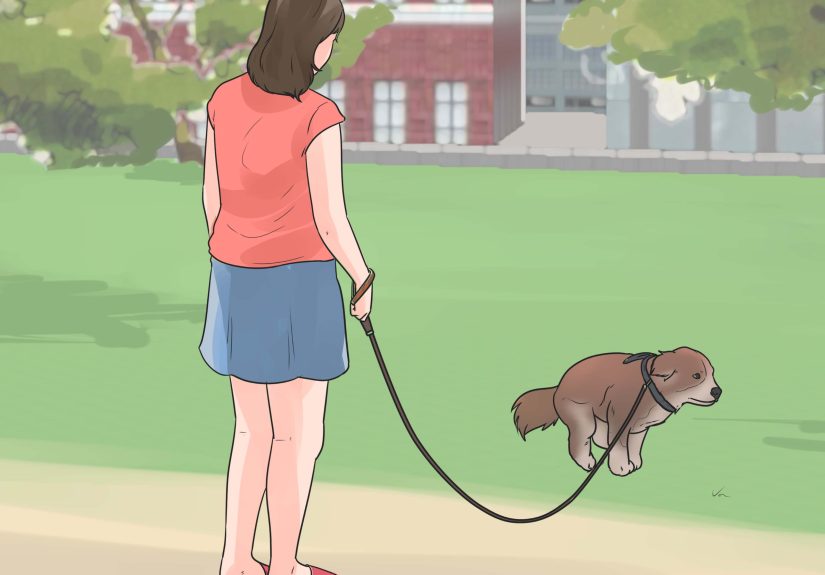
- Repeated squatting with little or no stool produced
- Small, hard, dry stools
- Whining, panting, or obvious discomfort while trying to defecate
- Circling, scooting, or constantly looking at the rear end
- Reduced appetite or less interest in water
- Lethargy, vomiting, or a swollen belly in more serious cases
Common causes behind the constipation
Dogs can get constipated for many reasons, and this is exactly why a one-size-fits-all fix can backfire. Some dogs are simply dehydrated. Some need more exercise or a diet adjustment. Others are dealing with swallowed toy pieces, bone fragments, anal gland problems, enlarged prostate, hypothyroidism, arthritis that makes squatting painful, neurologic issues, perineal hernia, or even megacolon. Yes, sometimes the problem is the poop. Other times, the poop is just the messenger.
When to call the vet immediately
Do not sit around waiting for a miracle bowel movement if your dog has pain, vomiting, lethargy, blood from the anus, a distended abdomen, obvious distress, or has not passed stool for more than two days. Also, if your dog is straining and you are not sure whether it is poop or urine, treat that as urgent. Difficulty urinating can look similar from across the room, and urinary obstruction is a genuine emergency.
Way 1: A Veterinarian-Administered Clinic Enema
The first and most common “way” a dog gets an enema is also the safest one: at the veterinary clinic. This is typically used when a dog has mild to moderate constipation and the veterinarian believes stool can likely be softened and moved without surgery.
What happens in this scenario?
First, the veterinarian examines the dog and decides whether an enema is appropriate. That may involve abdominal palpation, a rectal exam, and often X-rays or lab work. This matters because an enema is meant to help move retained stool, not bulldoze past a blockage, tumor, fracture-related narrowing, or painful rectal problem.
If the case looks suitable, the clinic may use a veterinarian-approved solution and administer it slowly, carefully, and with monitoring. Some dogs tolerate this reasonably well. Others need medication to relax, reduce pain, or limit stress. Your dog may also receive fluids if dehydration is part of the issue, because dry stool plus a dry dog is a bad combination.
Why the clinic setting matters
The clinic offers three things that home improvisation does not: diagnosis, restraint that protects both the dog and the rectum, and a backup plan if the enema does not work. If the stool remains impacted, the veterinary team can move to medications, repeat treatment, imaging, hospitalization, or manual extraction. That is a huge difference from “Well, I bought a random product and now my dog hates me.”
This option is usually best for dogs that are uncomfortable but stable, still reasonably bright, and not showing signs of a surgical emergency. For many dogs, it is the right first-line approach.
Way 2: A Vet-Prescribed At-Home Rectal Treatment for a Carefully Selected Dog
This is the only version of a “home enema” that belongs in a responsible article: a veterinarian has already examined the dog, ruled out dangerous causes, prescribed the exact product, and instructed the owner how to give it. Not guessed. Not copied from a forum. Not borrowed from your aunt’s medicine cabinet. Prescribed.
When might a vet allow this?
Usually only when the constipation is mild, the dog is otherwise stable, the pet parent is capable and calm, and the dog is unusually cooperative. In some cases, a veterinarian may decide that a specific rectal product or lubricating treatment is appropriate for use at home. The details should come directly from your veterinarian, not from an article, because product choice, amount, positioning, and follow-up all depend on the dog’s size, diagnosis, pain level, and medical history.
Why this is not casual DIY territory
At-home enemas sound simple in theory, right up until you remember that dogs can twist, clamp down, panic, or have an undiagnosed obstruction. Improper technique can injure the rectum, worsen pain, or delay treatment of a much more serious problem. Human products are another hazard. A label that looks harmless to a person can be inappropriate for a dog, especially if used without a diagnosis.
Questions to ask your vet first
- Is this definitely constipation and not a blockage or another disease?
- What exact product should I use, and what should I avoid?
- What behavior means I should stop and come in immediately?
- How soon should my dog pass stool afterward?
- What is the backup plan if it does not work?
If your veterinarian has not personally advised you to do this, assume that at-home enema therapy is not your dog’s best next step.
Way 3: Sedated Enema Plus Manual Removal for Severe Impaction
Sometimes an enema alone is not enough. If the stool is badly impacted, packed high in the colon, or the dog is too painful or stressed to tolerate the procedure, the third “way” is a more advanced in-clinic approach: sedation or anesthesia, followed by enemas, manual extraction of feces, IV fluids, and close monitoring.
When this level of care is needed
This is common in dogs with severe constipation, obstipation, repeat episodes, suspected megacolon, or pain that turns every bathroom attempt into a dramatic one-dog tragedy. It is also more likely when constipation has been ignored for too long, when the dog is dehydrated, or when something like bone fragments or chronic disease has made the stool especially hard and difficult to pass.
What owners should expect
Your veterinarian may recommend hospitalization, especially if multiple enemas, repeated monitoring, or fluid therapy are needed. In some dogs, the veterinary team must remove stool manually with a gloved finger while the dog is sedated. It is not glamorous, but neither is a colon full of concrete-grade poop. The goal is comfort, safe removal, correction of dehydration, and investigation of the underlying cause so the problem does not stage a comeback next weekend.
In rare cases, surgery may be needed if imaging reveals a foreign body, severe mechanical obstruction, certain hernias, tumors, or chronic disease such as advanced megacolon. That is why stubborn constipation should never be brushed off as “just one of those things.”
What Not to Do
- Do not use a human enema product unless your veterinarian specifically says to use that exact product.
- Do not give random over-the-counter stool softeners or laxatives.
- Do not pull on string, grass, hair, or anything protruding from the anus. You can cause serious internal injury.
- Do not assume straining always means constipation. It can also mean urinary trouble, anal pain, or blockage.
- Do not keep offering bones to a dog with GI trouble. Bone fragments can cause painful constipation and even trauma.
- Do not wait too long. The longer stool sits, the drier and harder it becomes.
Safer Ways to Help a Constipated Dog Before It Becomes a Crisis
If your dog has mild symptoms and your veterinarian agrees it is safe to try conservative care first, these measures are often part of the plan:
1. Increase hydration
Many constipated dogs are under-hydrated. Fresh water, wet food, or adding moisture to meals may help. Some dogs drink better from multiple water stations or a water fountain. Little changes can matter, especially in older dogs.
2. Encourage movement
Short, frequent walks can stimulate normal bowel activity. Exercise helps the gut do its job, which is a polite way of saying motion helps move things along.
3. Talk to your vet about fiber
Fiber helps some constipated dogs and worsens others. That is not the internet being annoying; that is physiology being complicated. Ask your vet whether pumpkin, psyllium, or a therapeutic diet is appropriate for your dog’s specific case.
4. Keep the rear end clean
Long-haired dogs can develop mats around the anus that physically interfere with stool passage. Gentle grooming can solve a surprisingly unglamorous problem.
5. Prevent repeat triggers
Avoid bones, stop scavenging, keep toys that can be swallowed out of reach, and manage chronic issues such as arthritis, anal gland disease, hypothyroidism, or anxiety if your veterinarian identifies them as contributing factors.
What Recovery Usually Looks Like
Once the stool is removed and the cause is addressed, many dogs improve quickly. They are often more comfortable within a day or two, start eating better, and finally stop giving you that betrayed look every time they approach the yard. Recovery depends on the underlying cause, though. A one-time dehydration episode is very different from chronic megacolon, a hernia, or repeat constipation caused by orthopedic pain.
Your veterinarian may recommend maintenance steps such as more water intake, a prescription GI diet, probiotics, fiber, stool-softening medication, scheduled rechecks, or treatment for the root problem. The goal is not only to get the current stool out, but to prevent the sequel.
Owner Experiences: What This Situation Often Feels Like in Real Life
One of the strangest parts of dealing with a constipated dog is how fast the situation shifts from “Huh, that’s odd” to “Why are we all suddenly reorganizing our evening around poop?” Many owners first notice the problem when their dog starts asking to go outside repeatedly, then comes back in with nothing accomplished except a worried face and a very committed squat. At first, it looks minor. Then the dog paces, tries again, maybe whines a little, and suddenly the whole household is watching the backyard like it is the season finale of a suspense show.
Owners of senior dogs often describe a layer of guilt mixed into the stress. If a dog has arthritis, back pain, or weak hind legs, it can be hard to tell what came first. Did the dog become constipated because squatting hurts? Or is the dog now hurting because it is constipated? Many people say they did not realize how much mobility affects bathroom habits until they saw their older dog trying to get into position, giving up halfway, and looking completely fed up with the entire process.
Another common experience happens after a dog gets into something it should not eat. Maybe it was bones from the trash, a chunk of toy, too much dry treat material, or some mystery yard treasure that seemed like a great idea at the time. The owner notices straining, then sees tiny hard stools or even mucus and assumes it is probably nothing. Later, the dog starts skipping meals or seems quieter than usual. That is usually the moment when mild concern upgrades itself to full-blown panic and the phrase “we should have called sooner” enters the chat.
People are also often surprised by how emotional the vet visit can feel. You go in thinking your dog just needs help pooping, and then the veterinarian starts discussing hydration, X-rays, rectal exams, anal glands, foreign bodies, prostate enlargement, hernias, or even neurologic disease. It becomes clear very quickly that constipation is not always the actual disease. Sometimes it is more like the body’s emergency sticky note.
For owners whose dogs need an in-clinic enema or manual stool removal, the biggest reaction is usually relief. Relief that the dog is finally comfortable. Relief that they did not try a reckless home fix. Relief that the explanation makes sense. And yes, sometimes relief that someone else handled the least glamorous part of pet parenting.
Then comes the learning curve. Owners start paying closer attention to water intake, stool texture, how often the dog goes, whether walks are long enough, whether pumpkin helps, whether bones need to leave the menu forever, and whether a chronic issue like arthritis or anal gland trouble is quietly setting the stage for a repeat performance. The experience often turns people into extremely observant poop historians. Not a glamorous hobby, but an unexpectedly useful one.
The big takeaway from real-world experience is simple: constipation in dogs can start small, but it deserves respect. The best outcomes usually happen when owners notice the signs early, avoid random home remedies, and get veterinary guidance before the situation becomes painful, prolonged, or complicated. Your dog may never thank you in words, but a comfortable nap after finally passing stool is basically a standing ovation.
Conclusion
If you remember only one thing from this article, make it this: there are indeed three ways a dog may receive an enema, but the safest path almost always starts with a veterinarian. Mild cases may be managed with a clinic-administered enema. A small number of carefully selected dogs may receive a vet-prescribed rectal treatment at home after direct instruction. Severe cases may need sedation, manual stool removal, fluids, hospitalization, and sometimes surgery. So yes, an enema can be part of treatment. No, it should not be your first improvisational craft project of the week.
When a dog strains to defecate, your real job is not to become an amateur veterinary procedure technician. Your job is to notice the warning signs, protect your dog from unsafe home fixes, and get the right help quickly. That is how you turn a miserable bathroom standoff into a safe recovery.