Table of Contents >> Show >> Hide
- Before You DIY: How to Pick the “Good Stuff” at a Flea Market
- 26 Creative DIY Storage Ideas Using Flea-Market Finds
- Wooden Crates → Wall Cubby Shelves
- Metal Milk Crates → Rolling “Everything Bin”
- Old Dresser Drawers → Under-Bed Sliding Storage
- Vintage Suitcase → Stackable Hidden Storage Side Table
- Hat Boxes → Closet Shelf Bins With Labels
- Vintage Tool Box → Craft or “Fix-It” Caddy
- Enamelware Basin → Entryway Drop Zone
- Wire Baskets → Slide-In Pantry Pull-Outs
- Wooden Ladder → Blanket + Towel Storage Ladder
- Baker’s Rack → Vertical Kitchen or Laundry Storage
- Printer’s Tray → Jewelry + Small Parts Organizer
- Silverware Dividers → Drawer Organization for Everything Else
- Tiered Serving Stand → Bathroom Counter Vertical Storage
- Mason Jars + Wood Board → Wall-Mounted Jar Organizer
- Bread Box → Countertop “Hide-It” Station
- Old Shutters → Hanging Mail + Magazine Sorter
- Picture Frame → Key + Sunglasses Wall Station
- Cigar Boxes → Drawer Dividers for Odds and Ends
- Vintage Trunk → Coffee Table Storage
- Metal Locker → Mudroom Organization for Coats + Gear
- Record Crate → Book and Toy Storage (Kid-Friendly)
- Magazine Rack → Cutting Board + Lid Organizer
- Wooden Spice Rack → Bathroom Shelf for Small Bottles
- Ceramic Crocks + Pitchers → Kitchen Utensil Storage That Looks Intentional
- Tea Tins → Spice + Packet Organization
- Wooden Chair With Missing Seat → Basket Shelf Stand
- Quick “Make It Look Expensive” Tips (Even If It Was $6)
- Real-World Experiences and Lessons DIYers Learn From Flea-Market Storage Projects (Extra )
- Conclusion
Flea markets are basically “adopt-a-treasure” events. You walk in for a $5 basket and leave with a
suitcase, a crate, a mysterious brass thing you swear is “totally a candle holder,” and a sudden belief
that you are now the CEO of Organization.
The good news: flea-market finds can become ridiculously practical storage with minimal tools, a little
cleaning, and the right kind of imaginationthe kind that sees an old drawer and thinks, “You, my friend,
are about to hold every sock I’ve ever lost.”
Below are 26 simple DIY storage upgrades using common thrifted and flea-market items. They’re budget-friendly,
renter-friendly (lots of no-drill options), and style-friendly (because storage should not look like it’s
doing community service).
Before You DIY: How to Pick the “Good Stuff” at a Flea Market
1) Choose structure over perfection
Scratches and faded finish are cosmetic. Wobbly joints, warped wood, and cracked metal welds are structural.
For storage projects, prioritize sturdy frames, solid corners, and hardware that can be tightened or replaced.
2) Give everything a quick safety check
- Sharp edges: Sand, file, or cover with edge trim.
- Musty smells: Odor can be removable… or a warning sign. Trust your nose.
- Pests: Inspect seams, crevices, and undersidesespecially on upholstered pieces.
- Old paint: If you’ll be sanding or scraping, assume older paint could be hazardous and take precautions.
3) Clean first, DIY second
The fastest way to ruin a makeover is painting over grime or sealing in weird smells. Start by vacuuming
debris, washing hard surfaces with gentle soap and water, and letting items fully dry. For odor, fresh air,
sunlight, and baking soda can helpespecially with baskets, trunks, and fabric-lined suitcases.
4) Pick a “finish plan” that fits the room
For bathrooms and kitchens, choose wipeable finishes (sealed wood, washable paint, or metal that can handle
humidity). For closets and bedrooms, fabric liners, wallpaper, or peel-and-stick patterns add a polished look
without being high-maintenance.
26 Creative DIY Storage Ideas Using Flea-Market Finds
-
Wooden Crates → Wall Cubby Shelves
Mount a few sturdy vintage crates to wall studs to create instant cubbies for books, shoes, pantry goods,
or folded towels. Mix orientations (one sideways, one upright) for a custom look. Pro tip:
Add a thin plywood back if the slats are too open and you don’t want small items tipping out. -
Metal Milk Crates → Rolling “Everything Bin”
Zip-tie two crates together for height (or keep one) and attach a plywood base with casters. This becomes
a mobile bin for toys, sports gear, or cleaning supplies. Bonus: Clip labels to the front
so it doesn’t become a mystery box of chaos. -
Old Dresser Drawers → Under-Bed Sliding Storage
Keep the drawer, ditch the dresser. Sand splinters, add low-profile casters, and you’ve got an under-bed
bin with built-in handle space. Line it with shelf liner to prevent snags. Works great for off-season clothes,
extra bedding, or gift wrap. -
Vintage Suitcase → Stackable Hidden Storage Side Table
Stack two or three sturdy suitcases (largest on bottom), strap them together or use museum putty between
layers, and top with a tray for stability. Store board games, cables, photos, or keepsakes inside. It’s storage
that looks like you travel… even if you mainly travel to the fridge. -
Hat Boxes → Closet Shelf Bins With Labels
Round hat boxes are perfect for closet tops: scarves, belts, winter gloves, or costume accessories. Reinforce
the lid edge with fabric tape if needed. Add a hanging tag label (or paint a small label plate) so you can find
things without opening every box like a game show. -
Vintage Tool Box → Craft or “Fix-It” Caddy
Metal or wooden toolboxes make unbeatable caddies for glue guns, paint brushes, sewing supplies, or
household repair essentials. Add small jars inside to corral screws and pushpins. If it’s rusty, clean and
seal it so it doesn’t “decorate” your hands. -
Enamelware Basin → Entryway Drop Zone
An enamel bowl or basin becomes a stylish catch-all for mail, keys, sunglasses, and dog leashes. Put felt
pads underneath to protect your console table. Upgrade: Add a small divider tray inside so your keys
aren’t living under six coupons and one lonely button. -
Wire Baskets → Slide-In Pantry Pull-Outs
Find sturdy wire baskets and place them on pantry shelves like “poor man’s drawers.” Group snacks, baking
supplies, or lunch items by basket. Add binder clips as label holders. You’ll stop losing that one cinnamon jar
to the back-of-shelf shadow realm. -
Wooden Ladder → Blanket + Towel Storage Ladder
Lean a small ladder against the wall and drape blankets or towels over the rungs. For more function, add S-hooks
to hang baskets for rolled washcloths or toiletries. Safety note: If kids or pets will treat it like
a jungle gym, secure the top to the wall. -
Baker’s Rack → Vertical Kitchen or Laundry Storage
A secondhand baker’s rack is basically a storage skyscraper. Use bins for pantry goods, hang hooks for utensils,
and add labeled jars for staples. If it’s wobbly, tighten every bolt and add felt pads or leveling feet so it sits
solidly on uneven floors. -
Printer’s Tray → Jewelry + Small Parts Organizer
Those vintage shallow trays with many compartments are perfect for earrings, thread spools, game pieces, or
hardware. Mount it on a wall or slide it into a drawer. Upgrade: Paint the inside a light color so
tiny items don’t visually disappear. -
Silverware Dividers → Drawer Organization for Everything Else
Old wooden or metal silverware trays can organize makeup, office supplies, batteries, tools, or art materials.
Add non-slip liner underneath. The goal is to give every small item a home so your drawer doesn’t become a
“junk drawer cinematic universe.” -
Tiered Serving Stand → Bathroom Counter Vertical Storage
A thrifted tiered stand can hold cotton rounds, skincare, hair ties, and daily essentials without taking over the
counter. Use small bowls or cups on each level so items don’t roll away. It’s especially useful in small bathrooms
where horizontal space is basically a myth. -
Mason Jars + Wood Board → Wall-Mounted Jar Organizer
Attach metal hose clamps to a board, slip in jars, and mount it near a desk, craft area, or in the pantry. Store
pens, paint brushes, snack packets, or dried goods. Tip: Keep heavier jars closer to studs and don’t
overload with anything you wouldn’t trust on a bumpy shelf. -
Bread Box → Countertop “Hide-It” Station
A vintage bread box can hide messy essentials: vitamins, snack bars, tea bags, or the charging cables you swear
you need “right here.” Add a small basket inside to separate categories. Suddenly your counter looks like a calm,
functional adult lives there. -
Old Shutters → Hanging Mail + Magazine Sorter
Mount a shutter horizontally and attach wire baskets or file holders to it. Use it as a mail station, school-paper
sorter, or recipe holder. Add hooks at the bottom for keys and dog leashes. It’s the kind of organization that
says “I have my life together,” even if you definitely do not. -
Picture Frame → Key + Sunglasses Wall Station
Replace the glass with chicken wire, hardware cloth, or cork. Add small hooks along the bottom. You’ve got a
storage station for keys, sunglasses, and notes. Design move: Use a frame that matches your trim
so it looks built-in. -
Cigar Boxes → Drawer Dividers for Odds and Ends
Collect a few small wooden boxes to divide a deep drawer: charging cords, batteries, sewing supplies, or small
tools. Line them with felt or shelf liner. Bonus points if you label the inside so you can “reset” the drawer in
under 60 seconds. -
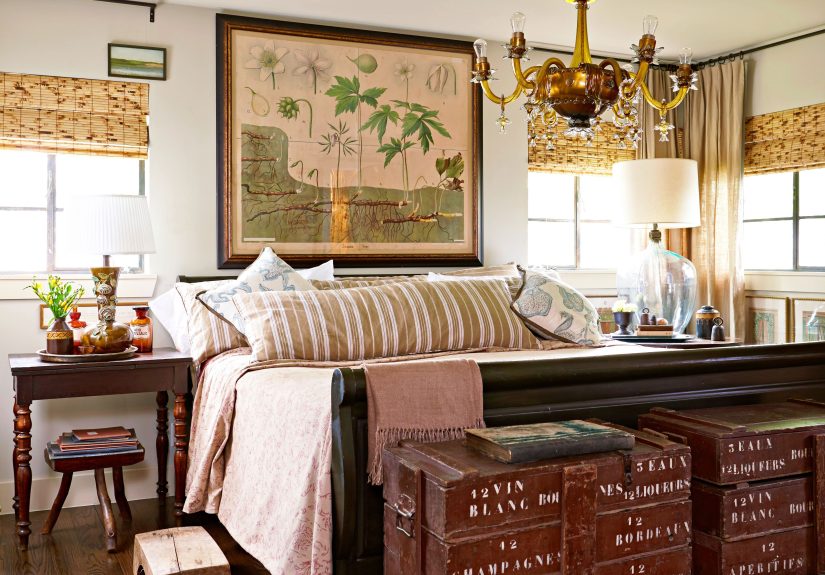
Vintage Trunk → Coffee Table Storage
A sturdy trunk can hold blankets, seasonal décor, or board games while doubling as a coffee table. Add felt pads
under the feet and consider a tray on top for a stable surface. Tip: If the hinges are old, replace
or reinforce them so the lid isn’t a surprise hazard. -
Metal Locker → Mudroom Organization for Coats + Gear
A single tall locker creates instant zones: one shelf per person, hooks for jackets, and bins for hats/gloves.
It’s perfect for sports families or anyone who needs a “drop it here” system that keeps clutter off the floor. -
Record Crate → Book and Toy Storage (Kid-Friendly)
A wooden record crate fits picture books perfectlyfront-facing storage makes kids more likely to actually put
books back. Add casters for easy movement. If it’s rough, sand edges and seal so it won’t snag tiny hands or
delicate book covers. -
Magazine Rack → Cutting Board + Lid Organizer
Metal or wooden magazine racks can store cutting boards, baking sheets, and pot lids upright. Place one inside
a cabinet or pantry shelf. This solves the “avalanche of lids” problem and makes grabbing the right board
dramatically less annoying. -
Wooden Spice Rack → Bathroom Shelf for Small Bottles
A vintage spice rack can hold nail polish, skincare minis, essential oils, or travel-size products. Paint it to
match your bathroom hardware, or leave it rustic for charm. Add a small rail or lip if bottles tend to tip forward. -
Ceramic Crocks + Pitchers → Kitchen Utensil Storage That Looks Intentional
Thrifted crocks, pitchers, and sturdy jars are classic utensil holdersspatulas, whisks, wooden spoons, and
tongs finally have a home that isn’t “wherever they land.” Keep the heaviest items in the back so it won’t tip. -
Tea Tins → Spice + Packet Organization
Vintage tins are perfect for tea bags, seasoning packets, gravy mixes, hot cocoa, or baking decorations. Clean
thoroughly and label the bottom if you like the front design too much to cover it. They stack neatly and make
pantries look curated instead of chaotic. -
Wooden Chair With Missing Seat → Basket Shelf Stand
Found a solid chair that’s seen better days? Remove the broken seat, add a sturdy board across the frame, and
slide baskets underneath for linens or craft supplies. Paint it one bold color so it looks like an intentional
“storage stand,” not a chair with a complicated past.
Quick “Make It Look Expensive” Tips (Even If It Was $6)
- Unify finishes: One paint color or one wood tone makes mismatched items feel cohesive.
- Repeat materials: Use the same basket type in multiple spots for a calm, designed look.
- Label smartly: Tags on the inside edge look cleaner than giant labels shouting at you.
- Think zones: Storage works best when it matches how you live (drop zone, snack zone, work zone).
- Contain the small stuff: Bowls, tins, and trays prevent “tiny item drift.”
Real-World Experiences and Lessons DIYers Learn From Flea-Market Storage Projects (Extra )
People who regularly turn flea-market finds into DIY storage tend to develop a few “rules of thumb” the hard way
usually after hauling something home that looked charming in the sunlight and looked like a cursed artifact under
kitchen lighting. One of the biggest lessons is that measurements beat vibes. A crate that seems “about
the right size” will absolutely be two inches too wide for your shelf. Seasoned thrifters keep a notes app with key
measurementscloset depth, under-bed clearance, cabinet widthand they actually use it. This tiny habit prevents the
classic DIY tragedy: owning a “perfect” piece that fits nowhere except the hallway where people trip over it.
Another common experience: cleaning is not optional, it’s the project’s foundation. DIYers often expect
to jump straight to painting, but the best transformations start with scrubbing, drying, and deodorizing. Baskets may
need sun and a gentle wash; suitcases often benefit from vacuuming seams and wiping down the interior; metal pieces
might need rust removal and a sealant. The payoff is huge: once an item looks and smells clean, your brain stops
categorizing it as “used” and starts accepting it as “mine.” That psychological shift is realand it’s why clean,
finished storage gets used while “I’ll clean it later” items quietly become clutter.
DIYers also learn that the best storage is the storage you’ll actually maintain. A gorgeous open shelf
made of crates might look amazing… until you realize your household generates small, random objects like it’s a
competitive sport. Many people end up balancing open and closed storage: open bins for pretty categories (blankets,
books, baskets) and closed boxes for visual noise (cables, receipts, spare batteries). That mix keeps rooms from
feeling like a donation center staging area.
There’s also a practical lesson about hardware and stability. When DIYers complain that a flea-market
storage piece “doesn’t work,” the real issue is often wobbly bolts, missing brackets, or a lack of anchoring. Once
you tighten joints, add corner braces, or secure tall pieces to the wall, the whole project becomes safer and more
satisfying. A rolling milk-crate bin feels premium when the casters don’t snag; a ladder storage piece feels
intentional when it’s level and anchored; a trunk coffee table feels luxe when the lid doesn’t slam.
Finally, frequent upcyclers get comfortable with a mindset shift: you’re not buying storage, you’re buying
potential. The best flea-market storage projects aren’t about copying a perfect photothey’re about solving
your specific problem with something that has character. A tiered tray isn’t “just” for cupcakes; it’s vertical
bathroom storage. A bread box isn’t “just” retro; it’s a counter-clutter shield. A drawer isn’t “just” a drawer; it’s
an under-bed system. Once you start seeing items this way, the flea market stops being a place to accumulate stuff
and starts being a place to build a home that works betterone weird little treasure at a time.
Conclusion
Turning flea-market finds into DIY storage is one of the rare home projects that’s affordable, creative, and actually
useful long after the “I made this!” excitement wears off. Start with solid basicscrates, drawers, baskets, tins,
and traysthen upgrade with small improvements like labels, liners, casters, and hooks. The end result is storage
that feels personal, looks stylish, and costs a fraction of buying brand-new organizers.
And the best part? Every finished project makes your next flea-market trip easier, because you’ll know exactly what
you’re hunting for. (Or at least you’ll have a better excuse than “It looked lonely.”)