Table of Contents >> Show >> Hide
- General Tips for Growing Vegetables in Pots
- 21 Best Vegetables to Grow in Pots
- 1. Tomatoes
- 2. Peppers
- 3. Lettuce and Salad Mixes
- 4. Spinach
- 5. Kale
- 6. Swiss Chard
- 7. Radishes
- 8. Carrots
- 9. Beets
- 10. Green Onions (Scallions)
- 11. Bush Beans
- 12. Peas
- 13. Cucumbers (Bush Types)
- 14. Eggplant
- 15. Potatoes
- 16. Garlic
- 17. Bulb Onions
- 18. Arugula (Rocket)
- 19. Asian Greens (Bok Choy, Tatsoi, and More)
- 20. Cabbage
- 21. Zucchini and Summer Squash (Compact Varieties)
- Extra : Real-World Container Gardening Experiences
- Conclusion
No backyard? No problem. A few good-sized pots, some sunny space, and the right veggies are all you need to turn a balcony, patio, or front stoop into a mini farmers market. Container gardening is one of the easiest (and prettiest) ways to grow your own food, especially if you pick vegetables that actually like living in pots.
The best vegetables to grow in pots are compact, productive, and not too fussy about soil depth. Extension services and container-gardening pros consistently recommend salad greens, tomatoes, peppers, root crops like radishes and carrots, and compact beans and peas as top performers in containers. With the right varieties and a few simple tricks, you can harvest fresh produce just steps from your kitchen door all season long.
Below are 21 of the best vegetables for container gardening, plus tips on pot size, sunlight, and simple ways to keep your plants thriving in small spaces.
General Tips for Growing Vegetables in Pots
Choose the right container (bigger is usually better)
Most vegetables are happiest when their roots have room to spread. A 5-gallon container is a sweet spot for many crops like tomatoes, peppers, eggplant, and bush beans. Shallow-rooted veggies such as lettuce, spinach, and radishes can thrive in pots as shallow as 6–8 inches, while root crops and potatoes appreciate deeper containers.
Use high-quality potting mix, not garden soil
Skip the heavy backyard soil and use a lightweight potting mix designed for containers. These mixes drain well but still hold enough moisture to keep plants happy. You can enrich them with compost or a slow-release organic fertilizer at planting time to support steady growth.
Sun, water, and food: the container gardener’s holy trinity
Most vegetables need at least 6–8 hours of direct sun per day. Pots dry out much faster than in-ground beds, so plan to water once a day in hot weather (sometimes twice, especially for thirsty plants like tomatoes). A regular feeding schedule with a balanced liquid fertilizer every few weeks keeps plants producing instead of sulking.
21 Best Vegetables to Grow in Pots
1. Tomatoes
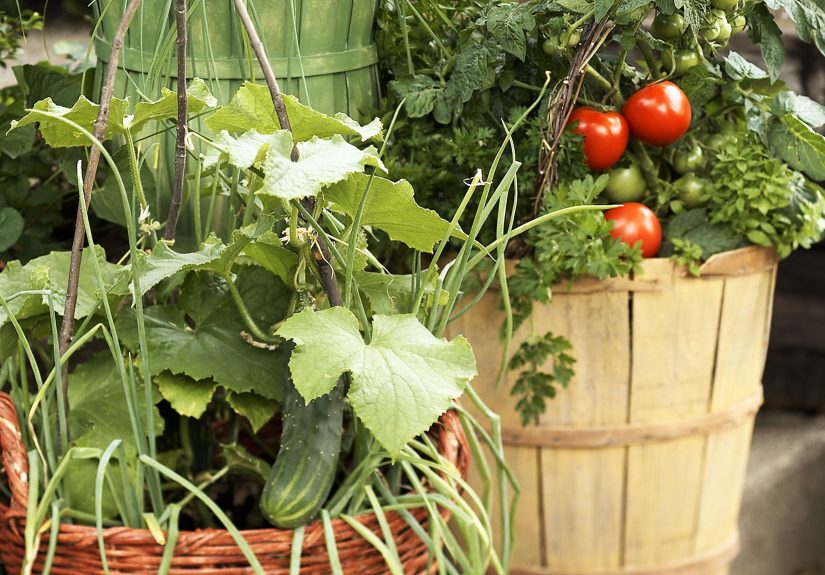
Tomatoes are the poster child for container gardening. Compact determinate, bush, or dwarf varieties are ideal for pots because they stay smaller and don’t need as much pruning or staking as vining types. Cherry tomatoes, in particular, are powerhouses in containers, producing clusters of fruit all summer.
Use at least a 5-gallon pot with drainage holes and a sturdy tomato cage or stake. Place your container in full sun and water consistently to prevent blossom-end rot and splitting. One healthy plant per container is usually enoughtomatoes don’t like roommates.
2. Peppers
Bell peppers and hot chiles both thrive in containers, as long as they get plenty of heat and sun. Their compact size makes them naturals for patios and balconies. Many gardeners say their container-grown peppers actually produce better because the soil warms up more quickly in pots.
Choose an 8–12 inch deep pot (bigger is better here too) and keep the soil evenly moist but not soggy. A monthly feeding with a fertilizer slightly higher in potassium can support lots of flowers and fruit.
3. Lettuce and Salad Mixes
If you want quick wins, grow lettuce. Loose-leaf varieties and “cut-and-come-again” mixes are some of the easiest vegetables to grow in pots. They don’t need much depth6–8 inches of soil is often enoughand you can tuck them into window boxes, shallow bowls, or any clean container with drainage.
For the longest harvest, keep lettuce in partial sun during hot weather. Morning sun and afternoon shade help prevent bitter, bolted plants. Snip outer leaves often to keep new growth coming.
4. Spinach
Spinach is another cool-weather superstar that grows well in shallow containers. It germinates quickly and can be harvested as baby leaves or full-size bunches. Because it grows fast, you can sow a new round every couple of weeks for a steady supply.
Use a pot that’s at least 6 inches deep, and don’t skimp on watering. Spinach prefers cool temperatures, so it’s perfect for early spring and fall container gardens.
5. Kale
Kale is tougher than it looks. Many varieties tolerate light frosts and even chillier temperatures, which makes them great for extending your container harvest into fall. Curly kale, dinosaur (Lacinato) kale, and baby-leaf mixes all perform well in pots.
Aim for at least a 10–12 inch deep container. Harvest by picking the outer leaves from the bottom up; the plant will keep producing fresh leaves from the center.
6. Swiss Chard
Swiss chard is both ornamental and edible, with colorful stems in red, yellow, orange, and white. It’s extremely forgiving in containers, tolerating a range of temperatures and bouncing back quickly after harvests.
Chard prefers a medium to large container and consistent moisture. Like kale, harvest outer leaves as needed and let the center keep growing for months.
7. Radishes
In a hurry for homegrown veggies? Radishes might be your new best friends. Many varieties mature in 25–30 days, making them perfect for impatient gardeners and kids. Because they’re shallow-rooted, they thrive in relatively small pots.
Choose round or small-rooted varieties for containers and make sure they get even moisture to avoid woody or excessively spicy roots. You can also interplant radishes with slower-growing crops to use space efficiently.
8. Carrots
Carrots grow beautifully in pots as long as you provide enough depth and loose soil. Short or “thumb” varieties, such as Parisian or Nantes types, are often recommended for containers because they don’t need a foot of soil to develop properly.
Use a deep container (10–12 inches or more) filled with fine, stone-free potting mix. Avoid heavy fertilizing, which can cause forked or hairy roots. Keep the soil consistently moist while the roots are forming.
9. Beets
Beets pull double duty: you can eat both the roots and the leafy green tops. They’re compact and efficient, making them well suited to containers. Because beet roots swell below the soil line, they appreciate a pot with at least 8–10 inches of depth.
Sow seeds a couple of inches apart and thin seedlings as they grow. Don’t toss those thinningsuse the tender beet greens in salads or sautés.
10. Green Onions (Scallions)
Green onions are almost tailor-made for container gardening. They stay slim, don’t demand much root space, and can be harvested at nearly any stage. You can grow them from seed, sets, or even from the rooted ends of store-bought scallions.
Use a wide, shallow pot and plant in tight rows or clusters. Cut what you need and let the rest keep growing. In mild climates, you can keep a pot of scallions going almost year-round.
11. Bush Beans
Bush beans are more compact than pole beans, so they fit nicely into larger containers. They don’t need a tall trellis, though a small support can help keep plants upright once they’re loaded with pods.
Plant in a 12-inch deep pot and give each plant several inches of space. Beans like warm soil and steady moisture; when the plants start flowering, don’t let them dry out, or pod production may slow down.
12. Peas
Sugar snap and snow peas are excellent early-season crops for containers. They climb, so you’ll need a small trellis, tomato cage, or set of bamboo stakes in the pot. The vines don’t get as heavy as tomatoes, making them easy to manage in small spaces.
Peas prefer cool weather and full sun, with soil that drains well. Once they’re done for the season, you can replant the pot with a summer crop like peppers or bush beans.
13. Cucumbers (Bush Types)
While traditional cucumbers can sprawl all over the garden, many modern bush or compact varieties are bred specifically for containers and small spaces. They produce full-size or mini cukes on short vines that can be supported on a small trellis.
Use a large pot (at least 5 gallons), plant a few seeds or one or two starts, and provide a simple support structure. Keep the soil evenly moist, especially when fruits are forming, or cucumbers can become bitter.
14. Eggplant
Eggplants love warmth and do surprisingly well in large containers where the soil heats up quickly. Compact varieties with smaller fruitslike patio types or Asian eggplantsare perfect for pots.
Provide full sun, a 5-gallon or larger container, and occasional staking for heavy clusters of fruit. Watch for flea beetles, which love eggplant foliage; healthy, well-fed plants are more resilient.
15. Potatoes
Potatoes in containers might be one of the most satisfying gardening experiments you’ll ever try. You can grow them in grow bags, deep buckets, or tall pots. As the plants grow, you “hill” them by adding more soil or mulch, encouraging additional tubers to form along the buried stems.
Start with certified seed potatoes and a deep container with drainage. Harvest is as easy as tipping the container out and sifting through the soil for treasure.
16. Garlic
Garlic takes timeoften eight months or morebut it doesn’t demand much daily care, making it ideal for a low-maintenance container crop. Plant individual cloves in the fall in a deep pot, pointy end up, and let them quietly grow through winter and spring.
Keep the pot in a sunny spot and water when the top inch of soil dries out. Harvest when the tops begin to yellow and flop over.
17. Bulb Onions
Like garlic, onions are patient plants. Short-day or day-neutral varieties can perform well in large containers with at least 10–12 inches of depth. You can grow them from seed, sets, or transplants.
Space bulbs or seedlings a few inches apart. While they’re growing, you can snip a few green tops to use like scallions without sacrificing the bulb harvest.
18. Arugula (Rocket)
Arugula is a fast-growing leafy green that adds peppery flavor to salads and sandwiches. It doesn’t need deep soil and grows well in wide, shallow pots or window boxes.
Sow seeds thickly and begin harvesting baby leaves within a few weeks. To avoid overly bitter leaves, give arugula some afternoon shade in hot weather and keep the soil moist.
19. Asian Greens (Bok Choy, Tatsoi, and More)
Many Asian greens are compact, quick to mature, and perfectly suited for containers. Bok choy, tatsoi, mizuna, and mustard greens all do well in pots, especially in cooler weather.
A container 8–10 inches deep is usually enough. Sow seeds or plant starts, keep the soil evenly moist, and harvest young for tender, mild leaves or let them grow full-size for stir-fries and soups.
20. Cabbage
Cabbage can be grown in containers as long as you give each plant its own roomy pot. Dwarf or mini-head varieties are especially well suited to container life.
Use a deep, heavy container to keep top-heavy plants from tipping. Cabbage prefers cool temperatures, so it’s a great candidate for spring and fall container gardens.
21. Zucchini and Summer Squash (Compact Varieties)
Classic zucchini plants can be huge, but bush or compact summer squash varieties work nicely in large containers or grow bags. They’re incredibly productiveone or two plants can keep a small household supplied all summer.
Choose a 10–15 gallon container if possible and give each plant plenty of space and sun. Because squash is prone to powdery mildew, good air circulation around the plant is essential.
Extra : Real-World Container Gardening Experiences
Reading lists of “best vegetables to grow in pots” is helpful, but the real fun starts when you actually pack those containers with soil and seeds. Gardeners who grow veggies in small spaces quickly learn a few truths: the right pot is worth the splurge, watering is everything, and you don’t need a perfect setup to get impressive harvests.
One common beginner story goes like this: you buy one tiny pot, one tomato plant, and one bag of soil because you’re “just trying it out.” A few weeks later, you’re dragging home more containers from the hardware store, eyeing every sunny inch of your balcony, and Googling “compact bush cucumber varieties” at midnight. Container gardening has a way of turning casual curiosity into full-on obsession.
Many balcony gardeners discover that tomatoes, peppers, and herbs often become the “gateway plants,” but the real game-changers are the quick crops. Plant a shallow bowl with lettuce and radishes, and you’ll have something to harvest in just a few weeks. That instant gratification keeps you motivated while longer-season crops like carrots, beets, and potatoes quietly develop below the soil surface.
Another shared experience: underestimating how quickly containers dry out. In midsummer, a tomato in a dark-colored pot can wilt dramatically by late afternoon if it’s not watered in the morning. A lot of small-space gardeners eventually invest in self-watering containers or add mulch on top of the soil to help lock in moisture. Even something simple like shredded leaves, straw, or coco coir can dramatically reduce how often you have to water.
Space hacks are part of the fun, too. Gardeners stack pots in “stair-step” arrangements to give each plant good sun exposure, hang fabric grow bags on railings, and use vertical supports to train climbing peas and compact cucumbers. One container might hold a mini ecosystem: a tomato in the center, basil at the edges, and a few trailing nasturtiums spilling over the sides. It looks ornamental but functions like a tiny food forest.
Experienced container growers also talk a lot about soil. Reusing the same potting mix year after year without refreshing it can lead to poor growth, so many people adopt a routine: at the start of each season, they empty the containers, fluff and amend the old mix with compost, and top it off with some fresh potting soil. Others dedicate certain pots to specific crops, like one “tomato pot” and one “leafy green pot,” rotating or resting containers as needed.
There’s also a mindset shift that happens when you garden in pots: you think less about having a “perfect” garden and more about small, consistent harvests. A pot of kale that gives you a handful of leaves every few days is just as valuable as a giant bed full of plants. A container packed with scallions might not look glamorous, but every time you snip a few for dinner, you’re reminded that even a tiny space can be productive.
Finally, container gardeners often report that the emotional benefits are just as big as the harvest. Having a pot of lettuce by the back door or a pepper plant on the balcony rail invites you outside for a few minutes each day to check in, water, and admire new growth. Watching a seedling turn into a plant and then into dinneron a patio, balcony, or fire escapeis a powerful reminder that you don’t need acreage to feel connected to the seasons.
Whether you’re filling a single pot with arugula or arranging an entire container “farm” of tomatoes, beans, and root vegetables, the key is to start with a few reliable crops and learn as you go. With the 21 vegetables above as your starting lineup, you’ll have no trouble turning even the smallest outdoor spot into a productive, beautiful, and surprisingly addictive container garden.
Conclusion
Growing vegetables in pots isn’t just a backup plan when you don’t have a yardit’s a smart, flexible way to garden that works for almost any lifestyle. From lettuce in window boxes to tomatoes in big tubs and root crops in deep containers, the right combination of plants can give you fresh, homegrown food all season long.
Start with a few of the best vegetables to grow in pots, experiment with varieties labeled “bush,” “patio,” or “container,” and pay attention to the basics: sunlight, water, and good potting mix. Before long, you’ll be harvesting salads, stir-fry veggies, and snackable cherry tomatoes from a garden that fits right on your balcony, porch, or patio.