Table of Contents >> Show >> Hide
- Quick Jump
- Why Patio Curtains Are the MVP of Outdoor Living
- Before You Buy: Curtain Smarts in 5 Minutes
- 19 Patio Curtain Ideas (That Add Shade, Privacy, and Serious Style)
- 1) Classic “Outdoor Living Room” White Panels
- 2) Layer Curtains with Bamboo or Woven Shades
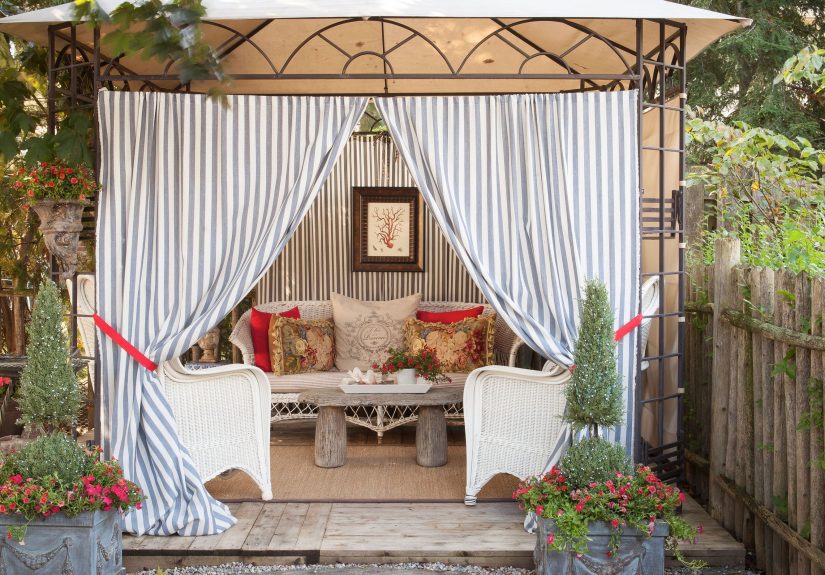
- 3) Pergola Perimeter Drapes for a Cabana Feel
- 4) One-Sided Curtain Backdrop
- 5) Corner Nook with a Single Statement Panel
- 6) Tent-Style Draping for Instant Drama
- 7) Canopy Curtains for Midday Sun Control
- 8) Heavy Drapes for a “Hotel Suite” Patio
- 9) Sheer Curtains for Breezy, Soft Privacy
- 10) Outdoor Curtains + Greenery = Instant Fullness
- 11) Stripes for a Vacation-Mode Mood
- 12) Earth-Tone Linen-Look for Natural Warmth
- 13) Black Curtains for Modern Contrast
- 14) Color-Blocking for a Designer Punch
- 15) Patterned Panels to Hide Everyday Outdoor Mess
- 16) Privacy for a Hot Tub or Soaking Zone
- 17) Café-Height Curtains for Light + Privacy
- 18) Cable-Hung Curtains for Wide Spans
- 19) Track-Mounted Curtains for a Smooth, Polished Slide
- How to Keep Patio Curtains from Becoming Kites
- Care, Cleaning, and Seasonal Storage
- FAQ
- Conclusion
- Extra: Real-Life Patio Curtain Experiences (So You Don’t Repeat My Mistakes)
Patio curtains are the easiest way to make an outdoor space feel like an actual “room” instead of
“that area where the grill lives and the wind steals your napkin.” Done right, outdoor drapes can add
shade, privacy, bug control, and just enough drama to make your backyard feel like a boutique resort
(minus the $19 bottle of water).
Why Patio Curtains Are the MVP of Outdoor Living
Patio curtains do more than “look pretty.” They’re functional tools that solve real problems:
harsh afternoon sun, neighbors with telescopic curiosity, breezy weather that chills your dinner,
and the classic “my patio feels exposed” vibe.
Think of them like adjustable walls. You can open them wide for airflow and views, close them for
privacy, or partially draw them to block low-angle sun (the kind that turns your face into a squinting emoji).
If you’ve got a pergola, gazebo, covered porch, or even just sturdy posts, curtains can instantly
upgrade comfort without major construction.
Before You Buy: Curtain Smarts in 5 Minutes
1) Pick fabric like you’re dressing for the weather
Outdoor curtain fabric matters because “outside” is basically a daily obstacle course: UV rays, humidity,
wind, dust, pollen, surprise rain, and that one bird with terrible timing. Look for weather-resistant fabrics
designed for outdoor use. These are often made to resist fading and handle moisture better than standard
indoor drapes.
2) Decide what you actually need: shade, privacy, or both
Sheer patio curtains are breezy and romantic, but they’re more about softening the space than blocking
sun. If you want meaningful shade (especially for a west-facing patio), choose thicker panels or
light-reducing options. For privacy, you’ll typically want a tighter weave or layered curtains.
3) Hardware is not the place to “hope for the best”
Rust-resistant hardware is the unsung hero of outdoor curtains. You want sturdy brackets, durable rods
(or a tensioned cable system), and curtain tops that glide smoothly. Grommets are popular outdoors because
they slide easily and tolerate frequent open/close action.
4) Measure like you mean it
Measure width and height for each opening you want to cover. For a fuller look, buy enough panels
that the curtains still have some “gather” when closed. For height, decide whether you want curtains
to hover slightly above the floor/deck or skim it for a luxe effect (just remember: puddling fabric outdoors
can collect dirt and moisture).
5) Plan for wind (because wind is petty)
If your patio gets breezy, choose heavier panels or plan to add tiebacks, weights, or bottom anchors.
Light curtains can look gorgeous… right up until they slap your drink off the side table like a tiny fabric
villain.
19 Patio Curtain Ideas (That Add Shade, Privacy, and Serious Style)
1) Classic “Outdoor Living Room” White Panels
Crisp white curtains instantly brighten a patio and make everything feel calmerlike your brain just took
a deep breath. Pair with warm wood, woven furniture, and soft outdoor lighting. Choose outdoor-safe fabric
so it stays fresh-looking longer, and add tiebacks to keep the space open when you’re entertaining.
2) Layer Curtains with Bamboo or Woven Shades
For next-level shade control, layer curtains with roll-down woven shades. Use shades for sun-blocking and
curtains for softness and privacy. The mix of textures looks designer-level, and it’s especially useful for
patios with changing light throughout the day.
3) Pergola Perimeter Drapes for a Cabana Feel
Hang curtains on all sides of a pergola to create a resort-style cabana. Keep panels tied back most of the
time, then close the “walls” when you want privacy or need to cut wind during dinner. It’s like having a
room you can open and close with one hand.
4) One-Sided Curtain Backdrop
If you don’t want curtains everywhere, install a single run on one side of your patio structure. This works
beautifully behind a dining set or lounge area, adding softness and privacy without fully enclosing the space.
Bonus: it can hide an awkward view (trash bins, we’re looking at you).
5) Corner Nook with a Single Statement Panel
Create a reading or coffee nook by hanging just one curtain panel in a corner. It’s minimal, cozy, and
surprisingly effective at giving the space a “designed” feel. Choose a color that complements your cushions
or rug for an intentional look.
6) Tent-Style Draping for Instant Drama
Draping fabric overhead in a tent shape (cinched in the center) brings romantic, event-worthy energy to an
everyday patio. It’s especially pretty over a lounge area or daybed. Use outdoor fabric and secure it well so
it doesn’t sag or flap in the breeze.
7) Canopy Curtains for Midday Sun Control
Instead of hanging curtains vertically, use panels as a partial canopy under a pergola or covered frame.
This helps cut harsh overhead light while keeping the space airy. It’s a smart move for patios that feel too
bright even with a roof structure.
8) Heavy Drapes for a “Hotel Suite” Patio
If your patio gets a lot of wind or you want serious privacy, go heavier. Structured drapes hang cleaner,
flap less, and feel luxurious. Add classic tiebacks so you can pull them open neatly, and consider neutral
tones for that upscale, timeless vibe.
9) Sheer Curtains for Breezy, Soft Privacy
Sheers are the “glow filter” of outdoor spaces: they soften everything. They’re perfect when you want a
light layer of privacy without blocking airflow. Use them in covered areas and pair with plants for depth
and a lush, layered look.
10) Outdoor Curtains + Greenery = Instant Fullness
Want your curtains to look more abundant without buying more panels? Place planters or climbing greenery
near the drapes. The mix makes the fabric feel fuller and more intentional, and it helps create a cozy,
enclosed atmosphere without feeling boxed in.
11) Stripes for a Vacation-Mode Mood
Stripe patterns scream “beach house” and “poolside cabana” in the best way. They also hide minor dirt
better than solid light colors. Choose classic cabana stripes for bold style, and keep the rest of the decor
simple so the curtains can be the star.
12) Earth-Tone Linen-Look for Natural Warmth
Earthy colors (sand, clay, olive, warm gray) blend beautifully with outdoor materials like stone and wood.
A linen-look texture adds relaxed charmjust choose an outdoor-rated option so it performs better over time.
This style pairs perfectly with terracotta planters and warm ambient lighting.
13) Black Curtains for Modern Contrast
Black or charcoal curtains look striking against light stone, white siding, or pale wood. They create a crisp
modern frame around your seating area and can visually “anchor” open spaces. If your patio feels visually
scattered, darker curtains help give it structure.
14) Color-Blocking for a Designer Punch
Try two complementary colorsone for curtains, one for pillows or rugsto make the patio feel coordinated.
Think navy + white, sage + cream, or terracotta + sand. Color-blocking adds personality without forcing you
into loud patterns.
15) Patterned Panels to Hide Everyday Outdoor Mess
Outdoor living is messy (pollen exists, and so do snacks). Subtle patternssmall geometrics, botanicals,
or textured weavescamouflage wear better than a flat solid. This is a practical choice for patios that get
frequent use.
16) Privacy for a Hot Tub or Soaking Zone
Curtains around a hot tub, outdoor shower, or plunge pool area create a private retreat that feels spa-like.
Use durable panels and secure tiebacks so the curtains stay put. The result is part privacy screen, part
“I live in a fancy travel magazine” illusion.
17) Café-Height Curtains for Light + Privacy
For patios facing a sidewalk or neighbor’s window, café-height curtains cover the lower half while keeping
the upper area open for light and views. It’s a smart compromise: you keep the airy vibe while removing the
feeling of being on display.
18) Cable-Hung Curtains for Wide Spans
If you don’t have a continuous beam for a rodor the span is too wideuse a tensioned cable system.
Curtains slide along the cable, and you can cover large openings without bulky hardware. It’s a great
solution for decks, pergolas, and open structures where a traditional rod would sag.
19) Track-Mounted Curtains for a Smooth, Polished Slide
Curtain tracks mounted overhead give you a clean, modern look and a smoother glide (especially helpful if
you’re opening and closing curtains often). This approach is ideal for covered patios where you want curtains
to move effortlessly and hang neatly.
How to Keep Patio Curtains from Becoming Kites
- Use tiebacks: Simple rope, fabric ties, or mounted hooks keep panels open and tidy.
- Add curtain weights: Weighted hems (or removable weights) help stop wild flapping.
- Anchor the bottom: For very windy patios, consider discreet bottom ties or snaps to posts.
- Choose the right fabric weight: Heavier panels behave better in wind, but still need secure mounting.
- Don’t skip sturdy hardware: Outdoor curtains tug on rods and bracketsespecially in gusts.
The goal is simple: let curtains move a little (so they feel breezy), but not so much that they smack your
guests in the face like a soft, linen-y high five.
Care, Cleaning, and Seasonal Storage
Outdoor curtains stay nicer longer when you treat them like outdoor gear, not delicate indoor drapery.
Brush off dust and debris periodically, spot-clean spills sooner rather than later, and follow the manufacturer’s
directions for washing or wiping down panels.
In harsher climates (or during long off-seasons), consider taking curtains down and storing them. This reduces
wear from storms, prevents unnecessary stress on hardware, and helps keep fabric from staying damp for long
periodsan important step for avoiding mildew issues.
FAQ
What are the best fabrics for outdoor patio curtains?
Look for fabrics labeled for outdoor usetypically designed to resist fading and handle moisture better.
Performance outdoor fabrics are a strong choice when your patio gets lots of sun or humidity.
Can I use indoor curtains outside?
You can, but they usually won’t last. Indoor curtains tend to fade faster, absorb moisture more easily, and
can develop mildew in humid weather. If you want the look, consider “linen-look” outdoor fabric instead.
How do I measure for patio curtains?
Measure the width of the opening you want to cover, then decide how “full” you want the curtains to look when
closed. For height, measure from where the rod/track/cable will sit to where you want the hem to land
(above the floor/deck is often easier to keep clean).
How do I keep outdoor curtains from blowing around?
Use tiebacks, add weights, and anchor the bottoms if needed. Heavier panels also help. Most importantly,
install sturdy hardware so the curtains stay secure when gusts hit.
How often should I clean patio curtains?
It depends on your environment. If you have lots of pollen or dust, you may clean them more often. In general,
occasional brushing and spot-cleaning goes a long way, with deeper cleaning as needed.
Conclusion
Patio curtains are one of the highest-impact, lowest-drama upgrades you can make outdoors. Whether you want a
breezy resort look, a private dinner zone, or real shade in the hottest part of the day, the right curtains can
transform your patio into a space you’ll actually use more oftenwithout building walls or spending a fortune.
Pick outdoor-friendly fabric, choose sturdy hardware, plan for wind, and style the curtains like part of your
décor (because they are). The result: an outdoor room that feels intentional, comfortable, and ready for
everything from morning coffee to late-night conversations.
Extra: Real-Life Patio Curtain Experiences (So You Don’t Repeat My Mistakes)
The first time I tried patio curtains, I was fueled by confidence and an unrealistic belief that “the wind will
respect my design choices.” Spoiler: it did not. I hung lightweight, flowy panels because they looked like a
dreamy catalog photo. Ten minutes later, one curtain had wrapped itself around a chair like a python made of
linen, and the other was repeatedly slapping the side tabletap, tap, taplike it was trying to file a noise
complaint.
Lesson one: if your patio gets any real breeze, you need a plan. Tiebacks help, but they’re not magic. The best
move I found was adding weight at the bottom hem (even a subtle approach makes a difference). Suddenly the
curtains still moved a littlenice and breezybut stopped behaving like they were auditioning for a sailing
documentary. If you want to keep things extra neat, bottom anchors are the grown-up solution. They’re not as
“romantic,” but neither is chasing fabric across your deck while holding a plate of burgers.
Lesson two: hardware matters more outdoors than indoors. Indoors, a slightly wobbly rod is mostly annoying.
Outdoors, it’s an invitation for chaos. Wind pulls on the rod, the fabric tugs on the brackets, and the whole
setup starts to feel like it’s in a slow-motion tug-of-war. Once I upgraded to sturdier mounting and checked
that everything was level and secure, opening and closing the curtains became effortless instead of a minor
upper-body workout.
Lesson three: “bright white” is gorgeous until pollen season. If you live somewhere with heavy pollen or dust,
your curtains might develop a faint “why is my fabric beige now?” effect. That doesn’t mean you can’t do
whitejust be realistic. I learned to keep a soft brush handy and do quick clean-offs before dirt becomes a
permanent roommate. If you’d rather not think about it, patterns and mid-tone colors hide everyday outdoor
grime much better (and you still get a stylish look).
Lesson four: privacy is emotional, not just practical. I didn’t realize how much more I’d use the patio when it
felt slightly enclosed. Once the curtains went up, the space felt like a destinationsomewhere you go on
purpose. Coffee tasted fancier. Phone calls felt less exposed. Even quick lunches felt like a mini break. The
ability to close the curtains a bitespecially at night when lights are onmade the patio feel comfortable in a
way I didn’t expect.
Lesson five: don’t forget the “how you’ll live with it” details. Ask yourself: Do you want to slide the curtains
open every day? If yes, choose a setup that glides smoothly. Do you want a full perimeter enclosure only
sometimes? Then pick easy tiebacks and a layout that doesn’t block walkways. The best patio curtains aren’t
just prettythey match your habits. The goal is effortless comfort, not a daily wrestling match with fabric.
Bottom line: patio curtains can absolutely make your space feel bigger, cozier, and more privatebut only if
you respect the outdoors. Plan for wind. Choose durable materials. Install hardware like you mean it. Then sit
back and enjoy the rare joy of a home upgrade that looks great and feels even better.