Table of Contents >> Show >> Hide
- A quick “pick the right grass” cheat sheet
- 1) Create a living privacy wall (that doesn’t feel like a fence)
- 2) Line a walkway with “soft architecture”
- 3) Plant in drifts for instant “designer” flow
- 4) Make a focal point that moves
- 5) Soften hard edgespatios, driveways, and retaining walls
- 6) Add four-season interest (yes, even winter)
- 7) Build a low-water “xeriscape” that still feels lush
- 8) Use grasses as a “neutral” that makes flowers pop
- 9) Create a meadow-style planting (without owning a prairie)
- 10) Edge a garden bed with a clean, modern line
- 11) Upgrade containers with texture (and less watering drama)
- 12) Stabilize slopes and help with erosion (the beautiful engineering move)
- 13) Design a rain garden that looks intentional, not soggy
- 14) Frame views like you would with shrubsonly lighter
- 15) Use grasses indoorsyes, your garden can decorate your house
- Keeping ornamental grasses looking great (without making them your new personality)
- Experience-based lessons that make ornamental grasses easier (and prettier)
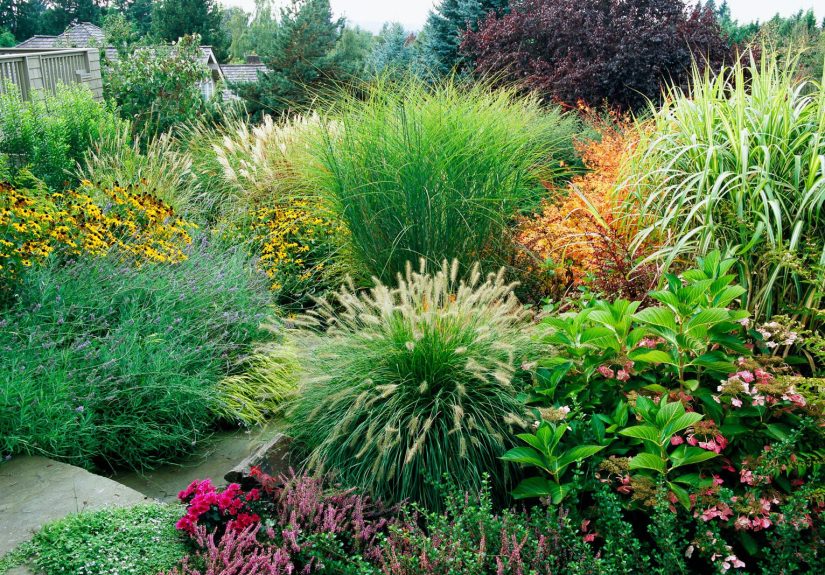
Ornamental grasses are the garden equivalent of a great soundtrack: they set the mood, add rhythm, and make everything else look cooler without trying too hard.
While your roses are busy being dramatic and your hydrangeas are auditioning for a magazine cover, grasses quietly do the worksoftening edges, creating movement,
and keeping your beds looking intentional even when you’ve forgotten what day it is (it’s fine, we’ve all been there).
The best part? Many ornamental grasses are tough, low-fuss plants once established. They can handle heat, wind, and a little benign neglectyet they still deliver
texture, structure, and seasonal fireworks from spring green-up to winter silhouettes.
A quick “pick the right grass” cheat sheet
- Know the habit: Clump-forming grasses stay politely in place; spreading grasses may wander (and sometimes overstay their welcome).
- Match the season: Cool-season grasses grow early (spring/fall). Warm-season grasses shine later (summer/fall).
- Respect the site: Sun, soil drainage, and moisture matter more than plant hype.
- Think local: Some popular grasses are invasive in certain regionsalways check your area’s guidance and choose non-invasive or native alternatives when needed.
1) Create a living privacy wall (that doesn’t feel like a fence)
Tall, upright grasses can form a seasonal screen that feels softer than hard fencingperfect for hiding a neighbor’s shed, a view of the street, or your “temporary”
compost pile (that’s been temporary since 2021).
Try it like this
- Plant in a staggered double row for a thicker visual barrier.
- Layer heights: tall grasses in back, mid-height bloomers in front.
- Leave winter stems standing for textureunless wildfire risk is a concern.
2) Line a walkway with “soft architecture”
Instead of rigid boxwood, use narrow, upright grasses to guide the eye down a path. You’ll get structure and movementlike your walkway has a gentle, wind-powered welcome sign.
Great pairings
- Feather reed grass (often used for vertical emphasis) with low mounding perennials like catmint or hardy geranium.
- Blue fescue along sunny steps for crisp edging and color contrast.
3) Plant in drifts for instant “designer” flow
One grass looks like a plant choice. A repeating drift looks like a design decision. Drifts create rhythm and make beds feel cohesive, especially in larger spaces.
Design tip
Repeat the same grass in two or three separate drifts to create visual continuity across the yardlike punctuation marks that keep your landscape from becoming a run-on sentence.
4) Make a focal point that moves
A specimen grass can be a centerpiece in a bed the way a small tree might beexcept it dances. Use it where you want attention: at the end of a path,
in the center of an island bed, or as a “ta-da” moment by the patio.
When it works best
- Against a simple background (fence, hedge, or wall) so the form stands out.
- With contrasting leaf shapes nearby (big hosta leaves, bold canna, or wide-leafed perennials).
5) Soften hard edgespatios, driveways, and retaining walls
Hardscapes can look a little… bossy. Ornamental grasses blur those sharp lines and make stone, concrete, and brick feel more garden-friendly.
Plant them at corners, along wall bases, and around patio borders to create a gentle transition.
6) Add four-season interest (yes, even winter)
Many grasses earn their keep in winter. Their seed heads and stems catch frost, hold snow, and create silhouettes when everything else is sleeping.
Leaving them standing also benefits birds in many regions.
Practical note
In wildfire-prone areas, it’s often safer to cut back dry growth earlier rather than leaving it through the dry season.
7) Build a low-water “xeriscape” that still feels lush
Drought-tolerant grasses can provide fullness without thirsty maintenance. The trick is pairing them with plants that match their vibe:
Mediterranean herbs, sedums, salvias, and other sun-loving perennials.
Example combo
- Pink muhly grass + lavender + Russian sage for late-season color and haze.
- Blue fescue + stonecrop + yarrow for a crisp, bright border.
8) Use grasses as a “neutral” that makes flowers pop
Grasses are the garden’s best supporting actors. Their fine texture and mostly-green palette help bold flowers look more intentional, not chaotic.
If your bed feels like it’s shouting, add a few grasses to lower the volume.
9) Create a meadow-style planting (without owning a prairie)
Meadow planting isn’t just for huge properties. Even a small corner can become a mini meadow with grasses and long-blooming perennials.
Aim for a layered mix: a few structural grasses, flowering perennials, and some seed-head interest for fall.
Easy-to-love natives (where suitable)
- Switchgrass and little bluestem for upright structure and fall color.
- Prairie dropseed for fine texture and tidy mounding.
10) Edge a garden bed with a clean, modern line
Want a border that looks sharp but not stiff? Use low, mounding grasses as edging. They’re tidy, repeatable, and don’t demand weekly haircuts like some hedges.
Ideas
- Blue fescue in sunny borders for a blue-toned “stitched” edge.
- Sedge-type plants in part shade for a softer woodland edge (choose species suited to your region).
11) Upgrade containers with texture (and less watering drama)
Containers don’t have to be all flowers, all the time. A compact ornamental grass can be your “thriller” plantupright, textural, and reliable.
Add a couple of spillers and you’ve got a pot that looks styled even on weeks when you forget to deadhead anything.
Container-friendly approach
- Choose grasses that stay proportionate (avoid varieties that will outgrow the pot by July).
- Use a sturdy potgrasses can get top-heavy in wind.
12) Stabilize slopes and help with erosion (the beautiful engineering move)
Many grasses have dense root systems that help hold soil. On slopes, in roadside edges, or where runoff cuts channels,
grasses can be both functional and attractiveespecially when mixed with groundcovers and deep-rooted natives.
Smart placement
- Plant in groups to create a root network rather than isolated “dots.”
- Pair with mulch, rocks, or groundcovers while plants establish.
13) Design a rain garden that looks intentional, not soggy
Certain grasses thrive in the upper or middle zones of rain gardens, where soil moisture fluctuates. They add structure and help rain gardens look like a garden
not a drainage apology.
Example plan
- Upper edge: prairie dropseed for a neat, mounding transition.
- Mid-zone: switchgrass for height and seasonal drama.
- Mix in bloom: coneflowers, bee balm, and other region-appropriate natives for pollinator power.
14) Frame views like you would with shrubsonly lighter
Grasses can “hold space” the way shrubs do, especially upright forms. Use them to frame a bench, define an outdoor room,
or create a visual corridor that leads your eye toward something worth looking at (birdbath, sculpture, your best hydrangeapick your hero).
How to make it work
- Repeat the same grass on both sides of a feature for symmetry.
- Or use two different grasses with similar height for a softer, asymmetrical frame.
15) Use grasses indoorsyes, your garden can decorate your house
Many gardeners cut dried plumes and seed heads for arrangements. The look is airy, modern, and lasts longer than cut flowers.
Just harvest after the seed heads mature, and consider leaving plenty outdoors for birds and winter interest.
Keeping ornamental grasses looking great (without making them your new personality)
When to cut back
- Warm-season grasses: often cut back after dormancy (fall) or in late winter/early spring before new growthtiming depends on aesthetics and fire risk.
- Cool-season grasses: typically benefit from a lighter cut in very early spring (often leaving about one-third of the plant) to avoid damaging new growth.
- Evergreen/grass-like plants (many sedges): may only need a cleanup comb-out or selective trim.
Divide when clumps get tired
If a grass develops a dead center, flops more than it used to, or looks crowded, division can rejuvenate it.
Many clump-formers respond well to dividing every few years.
A note on invasiveness
Some popular ornamental grasses can reseed aggressively or escape cultivation in certain states.
Before planting, check local recommendations and look for sterile cultivars or native alternatives that provide the same look without the ecological headache.
Experience-based lessons that make ornamental grasses easier (and prettier)
Here’s what tends to come up in real gardensthings you only learn after watching grasses through windstorms, heat waves, and one suspiciously energetic spring flush.
Consider this the “I wish someone told me earlier” section.
Lesson 1: Spacing feels wronguntil it feels right. New grasses often look small at planting time, which tempts people to tuck them closer “just for now.”
By midsummer, that “just for now” becomes “why is everything wrestling?” Give them breathing room so light and airflow reach the crown.
If you want a fuller look faster, plant in repeating groupsbut keep appropriate spacing between individual plants.
Lesson 2: One grass is a cameo; three grasses are a statement. Single specimens can look accidental unless they’re used as a focal point.
Many gardeners get the most impact by repeating the same grass in threes (or fives) in a bedespecially along paths and at corners where the eye naturally pauses.
Repetition also helps your garden look cohesive even when different perennials peak at different times.
Lesson 3: Grasses are the best “bridge” between bold plants. If you’ve ever tried to combine big-leafed tropicals with cottage-garden bloomers, you know it can feel mismatched.
Fine-textured grasses act like visual glue: they soften transitions between chunky foliage and delicate flowers.
They also make color palettes feel calmerespecially in beds with lots of hot colors (reds, oranges, magentas).
Lesson 4: Leave the winter lookunless you shouldn’t. Many gardeners fall in love with grasses in winter, when seed heads catch frost and low light makes everything glow.
But local conditions matter: if wildfire risk is part of your reality, cutting back dry growth earlier can be the safer choice.
In lower-risk areas, leaving stems standing can add winter interest and provide habitat value, then you can do a spring cleanup.
Lesson 5: The cleanest cutback trick is… bundling. Before you cut back a large clump, wrap it with twine (or a bungee cord) like you’re giving it a quick spa robe.
Then cut below the tie. It keeps blades from flopping everywhere, makes cleanup faster, and reduces the chance you’ll discover itchy grass bits in your socks later.
(They will find your socks. They always do.)
Lesson 6: Watch for “the donut.” Some clump-forming grasses eventually get a dead center, forming a donut shape.
That’s your sign it’s time to divide. Division sounds intimidating, but it’s basically plant duplication with a shovel.
The reward is healthier growth, better shape, and more plants to repeat elsewherebecause once you start designing with grasses, you’ll want repeats.
Lesson 7: The best combos lean into contrast. Pair upright grasses with mounding flowers. Pair fine blades with bold leaves.
For a simple, high-impact combo: little bluestem with dark-leaved coral bells for color contrast, or prairie dropseed with big daisy-like blooms for shape contrast.
These are the kinds of pairings that look “planned” even if your plan was mostly vibes and a cart at the nursery.
Lesson 8: “Right plant, right place” saves you from the flop. Grasses grown in too much shade may thin out or lean; grasses in poorly drained soil may struggle.
If you want that signature upright form, give upright grasses the sun and drainage they need, and choose shade-tolerant grass-like plants where light is limited.
The good news: once the match is right, maintenance is usually refreshingly reasonable.