Table of Contents >> Show >> Hide
- 1) Create a “Room” With an Outdoor Rug and Furniture Grouping
- 2) Build a Bistro Nook for Daily Use (Not Just Parties)
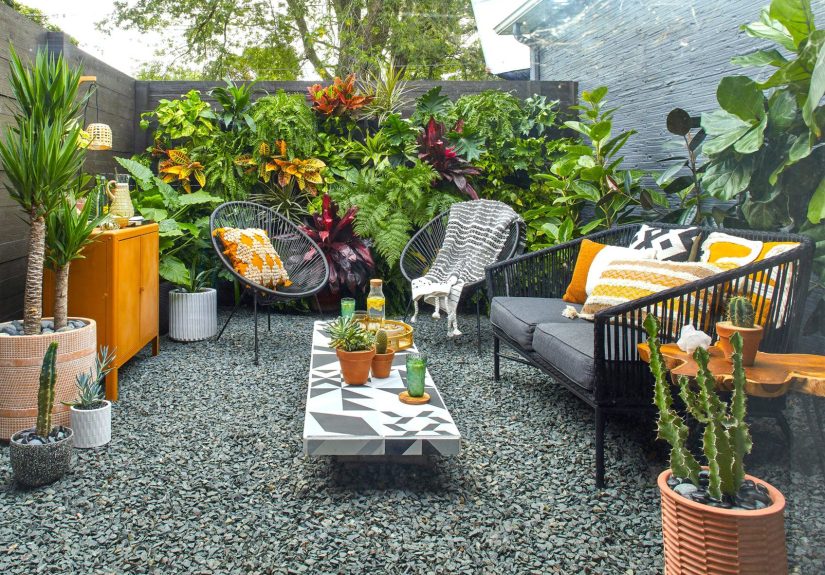
- 3) Go Vertical With Plants (Because Walls Are Real Estate)
- 4) Add a Fire Feature That’s Scaled (and Safe)
- 5) Use Built-In Benches With Hidden Storage
- 6) Make One Focal Point (So the Yard Feels Curated)
- 7) “Landscape the Edges” to Keep the Middle Open
- 8) Add String Lights (Instant Atmosphere, Minimal Footprint)
- 9) Create Zones With Two Surfaces (Not Walls)
- 10) Add a Compact Water Feature for Calm (and Sound Privacy)
- 11) Use a Bar Cart or Slim Serving Station for Entertaining
- 12) Try a Gravel Garden or “No-Mow” Corner for Low Maintenance
- 13) Make Privacy Beautiful (Screens, Trellises, and Layered Greenery)
- Small Backyard Layout: A Quick “Pick Your Priority” Guide
- Common Mistakes to Avoid in Small Backyard Design
- Conclusion: Small Yard, Big Potential
- Extra: Real-World Experiences and Lessons From Small Backyards (About )
A small backyard can feel like the universe’s funniest joke: “Congrats on homeownershiphere’s your postage stamp of grass.”
But small doesn’t mean sad. It means focused. When you don’t have room for everything, you stop wasting space on things you don’t actually use.
The best small backyard designs pick one or two “main characters” (lounging, dining, gardening, kid play, pets) and support them with smart layout tricks,
space-saving plants, and furniture that earns its keep.
Below are 13 fantastic small backyard ideas that designers and DIYers keep coming back to for a reason: they make tight outdoor spaces feel bigger,
look better, and work harderwithout requiring you to win the lottery or become a full-time landscaper.
1) Create a “Room” With an Outdoor Rug and Furniture Grouping
One of the easiest small backyard upgrades is to stop treating the patio like a waiting room and start treating it like a living room.
A weather-friendly rug visually “frames” your seating, and suddenly the space looks intentional rather than accidental.
Why it works in a small backyard
- Defines a zone without walls or bulky dividers.
- Makes a tiny slab of concrete feel like a destination.
- Encourages you to keep furniture scaled and cohesive.
Try this
Pick a compact conversation set (two chairs + small table) or a loveseat + coffee table. Keep legs slim, choose lighter visual profiles,
and add two pillows for color. Yes, two. This is a backyard, not a pillow showroom.
2) Build a Bistro Nook for Daily Use (Not Just Parties)
If you can’t fit a dining table for eight, don’t force it. A bistro set for two turns a corner into a coffee spot, a laptop perch,
or a “let’s pretend we’re on vacation” dinner zone.
Small-space strategy
- Tuck it against a wall, fence, or hedge to keep the center open.
- Choose foldable chairs to reclaim space instantly.
- Add a small umbrella or shade sail if midday sun is intense.
3) Go Vertical With Plants (Because Walls Are Real Estate)
When square footage is limited, think in layers. Vertical planting turns fences, exterior walls, and railings into green space without stealing the floor.
It also adds privacy and softnesstwo things small yards often lack.
Easy vertical garden options
- Wall-mounted planters or pocket planters for herbs and annuals
- Trellises with climbing vines (flowering or evergreen)
- Tiered plant stands for a “mini greenhouse” look
Keep maintenance realistic: pick plants with similar water needs so you’re not playing “Who’s thirsty today?” every morning.
4) Add a Fire Feature That’s Scaled (and Safe)
Fire makes any backyard feel like a gathering place, even if the “gathering” is just you and a mug of something warm.
In a small yard, the goal is contained heatnot a bonfire that forces everyone to sit in the neighbor’s zip code.
Best small-yard fire choices
- Compact propane fire pit table (clean, controllable, quick-start)
- Small metal bowl fire pit with spark screen (portable)
- Built-in fire feature only if you’re sure about placement long-term
Always check local rules and keep clearance from structures and fences. If you’re unsure, choose a portable option you can reposition.
5) Use Built-In Benches With Hidden Storage
In small backyard design, every piece should do double duty. Built-in benches along a fence line provide seating and hide
gardening tools, cushions, kids’ outdoor toys, or the mysterious collection of half-used citronella candles.
Design tips
- Run benches along the perimeter to keep the center open.
- Add a backrest or cushions for comfort.
- Use weather-resistant materials and ventilated storage.
6) Make One Focal Point (So the Yard Feels Curated)
A small space looks cluttered fastespecially if everything is trying to be the star. Choose one focal point: a sculptural planter,
a small fountain, a statement chair, a bold mural, or a pretty pergola corner.
How to pick a focal point
- Love hosting? Make the focal point the seating zone.
- Love gardening? Make it a raised bed or container cluster.
- Love calm? Make it water, shade, or a simple gravel garden moment.
7) “Landscape the Edges” to Keep the Middle Open
One of the most effective small backyard landscaping tricks is to plant around the perimeter. It frames the yard, adds depth,
and preserves valuable open space for living and movement.
What to plant
- Layer heights: low groundcovers, medium shrubs, and one or two vertical accents
- Use dwarf varieties so plants don’t overwhelm the space
- Mix evergreen structure with seasonal color for year-round appeal
This approach also creates a “green backdrop,” which makes even a tiny patio feel lush instead of bare.
8) Add String Lights (Instant Atmosphere, Minimal Footprint)
Lighting is the cheat code of small backyards. String lights create a ceiling of glow that makes everything feel cozy at night.
They also draw the eye upward, which subtly expands the space visually.
Best ways to hang them
- Across the yard in a gentle zigzag
- Along a fence line to highlight the perimeter
- From the house to a single pole or pergola corner
Pair with a couple of solar path lights or lanterns so the yard doesn’t turn into a romantic-but-dangerous obstacle course.
9) Create Zones With Two Surfaces (Not Walls)
Want a yard that feels bigger? Give it more than one purpose. The trick is zoning without building bulky dividers.
Two surface materialslike pavers + gravel, decking + lawn, or patio + mulch pathcreate “rooms” in a small footprint.
Examples
- Pavers for dining, gravel for a lounge chair and side table
- Small lawn patch for play, stepping stones leading to a bench nook
- Deck tiles for a yoga corner, container garden along the fence
10) Add a Compact Water Feature for Calm (and Sound Privacy)
A small fountain or water bowl adds movement and soundgreat for masking street noise or close neighbors.
You don’t need a koi pond (unless you’re also planning to become a part-time fish therapist).
Small-yard friendly water ideas
- Self-contained bubbling fountain
- Urn fountain in a planting bed
- Wall-mounted water feature for tight patios
Keep it easy: choose a recirculating feature with straightforward maintenance and accessible power.
11) Use a Bar Cart or Slim Serving Station for Entertaining
Outdoor kitchens are amazingif you have space. If you don’t, a weather-resistant bar cart becomes your mobile “hosting headquarters.”
It’s also easy to roll inside when you’re done, which helps keep the yard uncluttered.
Stock it smart
- Top shelf: drinks and glasses
- Bottom shelf: snacks, napkins, bug spray (the real VIP)
- Hook: towel or small trash bag for quick cleanup
12) Try a Gravel Garden or “No-Mow” Corner for Low Maintenance
If your small backyard is more “weekend recovery zone” than “garden hobby,” lean into low-maintenance landscaping.
Gravel gardens and groundcover-heavy plantings can look modern, calm, and intentionalwithout constant mowing.
How to keep it polished
- Use edging to keep gravel in place and define the shape.
- Choose a few sculptural plants or ornamental grasses for structure.
- Add a single bench or chair so it reads as a designed feature.
13) Make Privacy Beautiful (Screens, Trellises, and Layered Greenery)
Small yards often feel “on display.” The fix isn’t building a fortressit’s creating soft layers that feel inviting.
Think trellis panels with vines, tall planters, slatted screens, or hedge-like shrubs that don’t swallow the space.
Privacy upgrades that don’t feel bulky
- Planter boxes with tall grasses or bamboo alternatives suited to your region
- Trellis + climbing plant to break up long fence lines
- Outdoor curtains on a pergola corner for flexible screening
Bonus: privacy planting often improves acoustics and makes the yard feel like a real retreat, not a hallway with grass.
Small Backyard Layout: A Quick “Pick Your Priority” Guide
If you’re stuck deciding what to do first, pick the primary function and build around it:
- Relaxation: seating zone + soft lighting + one calming focal point (water or greenery)
- Entertaining: bistro/dining + serving cart + layered lighting
- Gardening: vertical planters + perimeter beds + small potting/storage station
- Kids/pets: open center + durable surface + edge planting for softness and boundaries
Common Mistakes to Avoid in Small Backyard Design
- Too many “little things”: Small décor scattered everywhere reads as clutter. Go fewer, bigger, better.
- Furniture that’s too large: Oversized pieces kill flow. Scale down, keep pathways clear.
- No vertical interest: If everything sits low, the yard feels flat. Add height with trellises, lights, or tall planters.
- Ignoring night use: Without lighting, you lose half the value. A few lights go a long way.
Conclusion: Small Yard, Big Potential
The best small backyard ideas don’t try to mimic a massive outdoor estate. They make peace with realityand then design the heck out of it.
Define your zones, use the perimeter, add vertical greenery, and choose a few upgrades that improve daily life (not just the once-a-year barbecue).
With the right layout and a couple of high-impact details, your small backyard can feel like your favorite roomjust with better airflow.
Extra: Real-World Experiences and Lessons From Small Backyards (About )
People don’t usually “plan” to become small-backyard experts. It happens the same way most life skills happen: you move into a place,
step outside, and realize your outdoor space is roughly the size of a generous yoga mat. Then you start negotiating with yourself.
“Do I want a lounge chair, or do I want to be able to walk?”
One of the most common experiences is the furniture regret cycle. The first set you buy looks great online. In your yard, it’s suddenly a
sectional the size of a cruise ship. You learn fast that in small backyards, negative space is not wasted spaceit’s what makes the yard usable.
That’s why bistro sets, armless chairs, and slim tables feel like magic: they leave breathing room, and breathing room feels expensive.
Another very real lesson: you’ll use the space more if it’s easy to “start.” If going outside requires dragging cushions from a closet,
wiping down a table, and hunting for a lighter, you won’t do it on busy days. But if the chair is already comfortable, the lighting is ready,
and the table is clear, you’ll step out for five minutesand those five minutes add up. That’s why small wins like string lights, a weatherproof rug,
and a covered storage bench often change how people actually live.
Small backyards also teach the value of sound and privacy. When neighbors are close, it’s not just about what you seeit’s what you hear.
People are often surprised by how much calmer the yard feels after adding one sound element (like a small fountain) or one “soft barrier”
(like tall planters with grasses). The space doesn’t have to be hidden; it just has to feel like yours.
Gardening in a small yard comes with its own personality arc. It starts with optimism (“I’ll grow tomatoes!”), shifts into realism (“Why is everything
thirsty all the time?”), and ends in a smarter system. Most small-space gardeners eventually land on a few reliable moves: vertical herbs near the kitchen,
dwarf plants that don’t bully the patio, and containers grouped by similar watering needs. It becomes less about collecting plants and more about curating
a tiny ecosystem that looks good and behaves itself.
Finally, there’s the “hosting revelation.” People assume small backyards can’t entertain. In practice, small yards often host better because they’re intimate.
Two or three friends, a compact fire feature, a bar cart, and warm lighting can feel more special than a giant empty deck. When the space is designed for
comfort, guests naturally settle in. And you don’t need a huge backyard for thatjust a smart one.