Table of Contents >> Show >> Hide
- 1. Move Your Body (Without Training for a Marathon)
- 2. Practice Tiny Gratitude Moments
- 3. Get Serious About Sleep (But Not Obsessive)
- 4. Eat in a Way Your Brain Will Thank You For
- 5. Build Micro-Moments of Mindfulness
- 6. Edit Your Self-Talk
- 7. Strengthen Your Social Connections
- 8. Create Boundaries with News and Social Media
- 9. Schedule Joy on Purpose
- 10. Practice Stress-Soothing Rituals
- 11. Align Your Day with Your Values
- 12. Ask for Help Sooner, Not Later
- Putting It All Together: Think “Small and Consistent,” Not “Perfect and Intense”
- Real-Life Experiences with the 12 Happiness Habits
If happiness sometimes feels like a mysterious guest who shows up randomly and leaves without saying goodbye, you’re not alone. The good news, according to many psychiatrists and mental health experts, is that happiness isn’t just luck it’s strongly influenced by what you do every day. Small daily habits can literally train your brain’s reward system, support healthy brain chemistry, and make you more resilient to stress over time.
In other words, you don’t have to change your entire life to feel better. You just have to change your rhythm. Below are 12 practical, psychiatrist-approved daily habits that can help you feel calmer, more energetic, and genuinely happier no toxic positivity required.
1. Move Your Body (Without Training for a Marathon)
Why it works
Regular physical activity is one of the most consistently proven happiness boosters. Exercise increases levels of brain chemicals like serotonin, dopamine, and endorphins, which are tied to mood, motivation, and pleasure. Psychiatrists often recommend movement not only for physical health but as a powerful tool for treating and preventing depression and anxiety.
The key is that it doesn’t have to be intense. Studies show that moderate activities like brisk walking for 20–30 minutes can significantly improve mood, reduce stress, and enhance sleep quality. You’re not training for the Olympics; you’re just helping your nervous system chill out.
How to make it a habit
- Start with a 10-minute walk after breakfast or dinner.
- Keep a pair of sneakers by the door as a visual reminder.
- Use “habit stacking”: for example, walk while listening to your favorite podcast.
2. Practice Tiny Gratitude Moments
Why it works
Gratitude is one of the most studied and reliable pathways to greater happiness. Research from major institutions has found that regularly noting what you’re thankful for is associated with better sleep, lower depression, improved relationships, and even better heart health.
From a psychiatric perspective, gratitude shifts your attention away from threat and scarcity and toward safety and abundance. Over time, this rewires your brain’s default setting, making it easier to notice what’s going right instead of only what’s going wrong.
How to practice it
- Each night, write down three things you’re grateful for small things count.
- Text one person a week just to say “thank you.”
- Pair gratitude with another routine, like brushing your teeth or making coffee.
3. Get Serious About Sleep (But Not Obsessive)
Why it works
Sleep and mood are tightly connected. Chronic sleep loss increases your risk for depression, anxiety, irritability, and brain fog. Most adults need about seven to nine hours of sleep per night, but many of us run on far less and then wonder why everything feels harder and less enjoyable.
Psychiatrists often treat sleep as a “vital sign” of mental health. Stabilizing your sleep-wake cycle helps balance hormones and brain chemicals involved in stress and emotional regulation.
Sleep-friendly habits
- Go to bed and wake up at roughly the same time every day (yes, even weekends).
- Dim screens and bright lights 60 minutes before bed.
- Use a short wind-down ritual: stretch, read a few pages, or journal.
4. Eat in a Way Your Brain Will Thank You For
Why it works
Your brain is about 2% of your body weight but uses roughly 20% of your daily energy. It’s picky about fuel. Diets rich in whole foods vegetables, fruits, whole grains, lean proteins, and healthy fats are linked to lower rates of depression and better overall mental well-being. On the flip side, diets high in ultra-processed foods and sugar can worsen mood and energy crashes.
Some psychiatrists even use the term “nutritional psychiatry” to describe how eating patterns support or sabotage mental health.
Simple upgrades
- Add, don’t obsess: focus on adding one extra veggie or fruit each day.
- Keep protein in each meal to avoid energy dips.
- Hydrate sometimes “I’m miserable” is really “I’m dehydrated and hangry.”
5. Build Micro-Moments of Mindfulness
Why it works
Mindfulness paying attention to the present moment without judging it has been shown to reduce anxiety, improve focus, and increase emotional resilience. It helps quiet the overactive “worry center” in the brain and strengthens networks involved in attention and emotional regulation.
Psychiatrists often recommend mindfulness-based practices as part of treatment plans for depression, anxiety, PTSD, and stress-related disorders.
Everyday mindfulness ideas
- Try a 3-minute breathing practice between tasks.
- Eat the first few bites of a meal slowly, noticing taste and texture.
- Focus on your feet hitting the ground during a walk, instead of your to-do list.
6. Edit Your Self-Talk
Why it works
Your inner narrator can be your best friend or your harshest critic. Persistent negative self-talk (“I always mess everything up,” “I’m not good enough”) is linked to higher stress, anxiety, and depression. Cognitive-behavioral therapy (CBT), commonly used by psychiatrists and psychologists, works in part by helping people identify and challenge distorted thoughts.
Changing your self-talk doesn’t mean pretending everything is perfect. It means talking to yourself the way you would talk to someone you love: honest, but kind.
How to upgrade your inner voice
- Notice your go-to negative phrases and write them down.
- Ask, “Is this thought 100% true? What’s another way to see this?”
- Swap “I’m a failure” with “I’m learning and this didn’t go how I hoped.”
7. Strengthen Your Social Connections
Why it works
Humans are wired for connection. Strong relationships are one of the most powerful predictors of long-term happiness and health. Social isolation, on the other hand, is associated with higher risks of depression, anxiety, and even early mortality.
Psychiatrists often view social support as a “protective factor” something that cushions you against life’s inevitable stressors.
Connection habits
- Send one “thinking of you” message a day to a friend or family member.
- Build a weekly ritual a standing phone call, coffee, or walk with someone.
- Practice small kindnesses: compliment a coworker, hold the door, let someone merge in traffic.
8. Create Boundaries with News and Social Media
Why it works
Staying informed is good; doomscrolling is not. Constant exposure to distressing news and endless comparison on social media can increase anxiety, anger, and a sense of hopelessness. From a mental health standpoint, your nervous system wasn’t designed to process the entire planet’s problems before breakfast.
Healthier media habits
- Choose specific times of day to check news instead of constant browsing.
- Limit social media to a set number of minutes using built-in app timers.
- Unfollow accounts that reliably make you feel inadequate, angry, or drained.
9. Schedule Joy on Purpose
Why it works
Many people treat joy like a bonus: “If I finish everything and have energy left, then I’ll do something fun.” Spoiler: that day rarely comes. Psychiatrists often encourage people to build “behavioral activation” into their schedules deliberately planning pleasurable, meaningful activities to counteract low mood.
Joy isn’t frivolous; it’s fuel. Positive experiences replenish your emotional reserves, making it easier to cope with stress and setbacks.
Ideas to try
- Block off 20 minutes a day for something that is only for enjoyment.
- Revisit a childhood hobby drawing, dancing, playing music, building things.
- Collect “five-minute joys”: a song that makes you dance, a meme folder, a short walk outside.
10. Practice Stress-Soothing Rituals
Why it works
Stress is unavoidable; staying in “stress mode” 24/7 is not. When stress becomes chronic, it impacts sleep, mood, focus, blood pressure, and your immune system. Mental health experts recommend small, regular practices that help your body switch from “fight or flight” to “rest and digest.”
Simple nervous system resets
- Use deep breathing (like box breathing: inhale 4 counts, hold 4, exhale 4, hold 4) a few times a day.
- Try progressive muscle relaxation, tensing and releasing muscle groups from head to toe.
- Spend a few minutes outside even looking at trees or sky can lower stress levels.
11. Align Your Day with Your Values
Why it works
We tend to feel happier when our daily actions line up with what we care about most whether that’s family, creativity, learning, health, spirituality, or helping others. Psychiatrists often use values-based work to help patients find direction and meaning, especially when life feels flat or aimless.
When your calendar reflects your values, you’re more likely to feel fulfilled, even on days that are stressful or busy.
Practical steps
- Write down your top three values (for example: “connection,” “growth,” “kindness”).
- Ask, “How can I take one small action today that matches each value?”
- Say “no” more often to things that don’t fit your values, even if they sound impressive.
12. Ask for Help Sooner, Not Later
Why it works
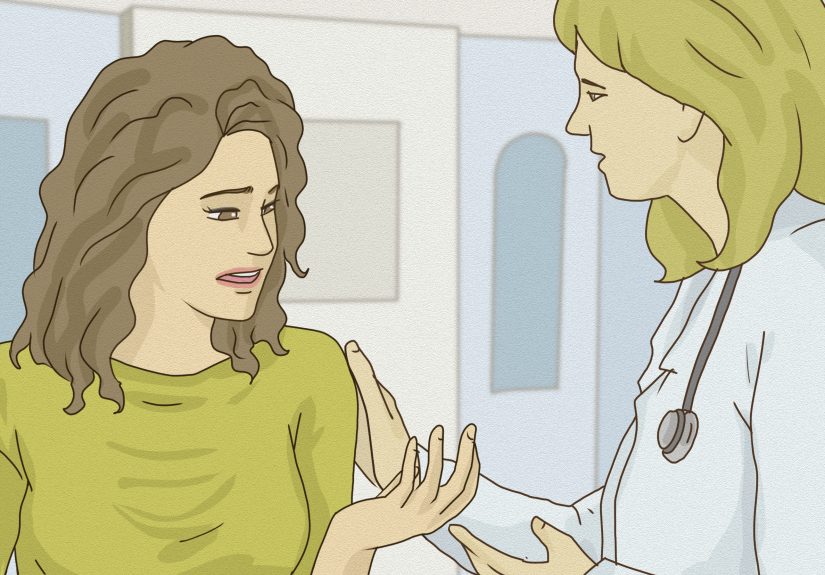
One of the most important happiness habits is knowing when to bring in backup. If low mood, anxiety, irritability, or hopelessness stick around for weeks, interfere with daily life, or make it hard to function at work or at home, it’s time to consider professional help.
Psychiatrists, psychologists, therapists, and primary care clinicians can help you understand what’s going on, rule out medical causes, and create a treatment plan that might include therapy, lifestyle changes, medication, or a combination. Reaching out isn’t a sign of weakness it’s a high-level life skill.
What reaching out can look like
- Talking with your primary care provider about mood, sleep, energy, or concentration issues.
- Scheduling a session with a therapist or counselor.
- Telling a trusted friend or family member that you’re struggling.
Putting It All Together: Think “Small and Consistent,” Not “Perfect and Intense”
If this list feels like a lot, remember: you’re not supposed to master all 12 habits at once. Think like a psychiatrist designing a realistic treatment plan start with one or two changes that feel doable and build from there.
Happiness isn’t about never feeling sad, anxious, or stressed. It’s about having a lifestyle, a support system, and a toolkit that help you navigate inevitable storms with more stability and less chaos. Over time, these daily habits can shift your baseline mood, making joy easier to access and more likely to stick around.
If you try a habit and it doesn’t click, that’s not failure it’s data. Adjust, experiment, and keep going. Your brain and your future self are paying attention.
Real-Life Experiences with the 12 Happiness Habits
To see how these ideas play out in real life, imagine three very real types of people that psychiatrists often meet in the clinic.
Alex: The Burned-Out Overachiever
Alex is in their mid-30s, constantly tired, and convinced that feeling stressed is just “part of being successful.” They sleep about five hours a night, live on coffee and takeout, and scroll through news and social media until midnight. They come to a psychiatrist because they feel numb: not exactly depressed, but definitely not happy.
Instead of restructuring Alex’s entire life overnight, the psychiatrist suggests starting with just three habits: a 15-minute walk most days, a hard cutoff for screens 45 minutes before bed, and a nightly gratitude list of three things. At first, Alex is skeptical it all sounds too simple. But they agree to try for two weeks.
By the end of week two, Alex notices something subtle but important: mornings feel less brutal. They fall asleep faster and aren’t waking up as often at 3 a.m. They still have deadlines and stress, but they’re not snapping at coworkers as much. That’s how these habits usually work not as magical fixes, but as small levers that quietly shift the whole system.
Maria: The Always-There-for-Everyone Caregiver
Maria is a parent, a devoted friend, and the unofficial emotional support person for half her extended family. She’s generous, but she rarely does anything purely for herself. She eats on the go, skips exercise, and answers texts at all hours. When she finally meets with a mental health professional, she admits she feels invisible and exhausted.
The psychiatrist helps Maria identify two core values: “connection” and “compassion.” Then they explore what it would look like to apply those values to herself, not just others. Maria starts scheduling a weekly one-hour “non-negotiable joy block” a walk with music, a bath with a book, or time to paint. She also practices saying, “I wish I could help with that, but I’m at capacity this week.”
At first, Maria feels guilty setting boundaries. But something surprising happens: the relationships that matter most become stronger. She has more energy, laughs more, and enjoys people instead of secretly resenting them. Her happiness grows not because she stopped caring, but because she started including herself in the circle of people she cares about.
Jordan: The Quietly Anxious Professional
Jordan has a good job, stable income, and decent relationships, but lives with a constant hum of anxiety. Their brain tends to default to worst-case scenarios: “What if I get fired?” “What if I say something stupid?” “What if I mess everything up?” They’re not in crisis, but they rarely feel relaxed or genuinely happy.
Working with a psychiatrist and therapist, Jordan learns how powerful their self-talk has become. They decide to combine three habits: short daily mindfulness moments, gentle cognitive restructuring of negative thoughts, and a simple social connection ritual.
Each morning, before checking email, Jordan spends three minutes noticing their breath. When a negative thought pops up “I’m going to blow this presentation” they practice asking, “What’s the actual evidence? Have I handled presentations before?” They also make it a habit to send one kind message a day: a thank-you email, a compliment, or a supportive text.
After a month, Jordan still feels anxious sometimes that’s being human. But the anxiety no longer runs the show. There are more neutral and pleasant moments throughout the day. They describe it like turning down the volume on a noisy radio so they can finally hear the rest of their life.
What These Stories Have in Common
Alex, Maria, and Jordan are very different, but their paths to greater happiness share the same pattern:
- They didn’t wait for motivation; they built habits first and let motivation catch up.
- They aimed for “better,” not “perfect.”
- They combined lifestyle changes (movement, sleep, food, mindfulness) with emotional skills (boundary-setting, self-compassion, healthier thinking).
- They reached out for support when they needed it from professionals, loved ones, or both.
Your story will look different, but the principles are the same. You don’t need to become a brand-new person to be happier. You just need to gently, consistently upgrade the way you live your everyday life. Start with one small habit from this list that feels approachable, and give it a couple of weeks. Happiness isn’t a finish line it’s a daily practice that, with time, can become your new normal.