Table of Contents >> Show >> Hide
If 2022 taught us anything, it is that wellness does not always need a smartwatch that costs more than your grocery bill. Sometimes, all you really need is your phone, a decent pair of sneakers, and an app that cheers for you every time you choose stairs over the elevator. That is where step counter apps came in clutch. They turned everyday movement into something trackable, motivating, and, in some cases, weirdly addictive.
The best step counter apps of 2022 did more than count footsteps. They tracked distance, estimated calories, logged walking workouts, mapped routes, synced with health platforms, and gave people a little digital nudge to keep moving. Some were built for data nerds who love graphs. Others were ideal for casual walkers who just wanted to know whether they had earned dessert. Both are noble goals.
In this guide, we are taking a practical look back at the best pedometer apps for Android and iPhone. This list focuses on apps that stood out for usability, accuracy, platform support, motivation features, and overall value. Some shine as simple step tracker apps, while others act like full-on walking companions with GPS, coaching, and community tools.
What Makes a Great Step Counter App?
A good step counter app should do one thing very well: make it easy to understand how much you move in a day. A great one goes further. It should be simple to read, reliable in the background, gentle on battery life, and flexible enough to match different goals. Maybe you want to hit 10,000 steps. Maybe you want to walk 30 minutes a day. Maybe you just want proof that a trip to the warehouse store counts as cardio. All valid.
The strongest apps in 2022 usually offered a mix of these features:
- Automatic step tracking using your phone’s motion sensors
- Distance, time, and calorie estimates
- Daily, weekly, and monthly progress charts
- GPS route mapping for outdoor walks
- Integration with Apple Health, Google Fit, or wearables
- Challenges, badges, or community support for motivation
- Clean design that does not require a user manual and emotional support
12 Best Step Counter Apps of 2022
1. Pacer
Best for: Overall balance of features, motivation, and ease of use
Platforms: Android and iPhone
Pacer was one of the most well-rounded pedometer apps in 2022. It worked well for beginners, but it also had enough depth for people who wanted fitness plans, structured goals, and a social component. It tracked steps automatically, estimated calories and distance, and offered walking groups and challenges that made daily activity feel less lonely. If you wanted one app that could do a little bit of everything, Pacer was an easy choice.
The trade-off is that some advanced features felt more premium than casual users might need. Still, for people who like a friendly push, it was one of the best options out there.
2. Google Fit
Best for: Android users who want a free, clean fitness hub
Platforms: Android and, in 2022, also available on iPhone
Google Fit earned its place by keeping things refreshingly straightforward. Instead of drowning users in endless menus, it focused on core activity metrics and the familiar combination of steps, movement, and heart-health goals. It was especially handy for Android users because it fit naturally into the Google ecosystem and synced with other health and fitness services.
Its biggest strength was simplicity. If you wanted a free step counter app that felt polished and practical, Google Fit made a strong case. It was less playful than some competitors, but sometimes boring is beautiful when you just want the number and not a fireworks show.
3. StepsApp
Best for: Sleek design and fast-glance step tracking
Platforms: Android and iPhone
StepsApp looked good in 2022, and that mattered more than some people like to admit. A fitness app you enjoy opening is an app you are more likely to keep using. Its interface was clean, colorful, and easy to scan, with sharp charts and an attractive daily dashboard. It also tracked steps automatically and worked well with health platform integrations.
This was a smart pick for users who wanted a modern, stylish walking tracker app without a lot of clutter. It did not try to be your life coach, your therapist, and your personal trainer all at once. It just helped you walk more and feel good about it.
4. Fitbit
Best for: Community features and future wearable flexibility
Platforms: Android and iPhone
Even without buying a Fitbit device, the Fitbit app was a strong choice in 2022. It let users track steps and activity with a phone, then offered a path to go deeper if they eventually added a wearable. That made it appealing for people who wanted to start simple but liked the idea of leveling up later.
The app also had one of the more motivating ecosystems around, with progress tracking, goal setting, and a familiar social feel. If you enjoy having stats, streaks, and a sense of “I am doing a thing and the app noticed,” Fitbit delivered.
5. Map My Walk
Best for: Walkers who care about routes, pace, and outdoor workouts
Platforms: Android and iPhone
Map My Walk was ideal for people whose daily stroll was more than a loop around the living room. It stood out as one of the best walking apps for route mapping, pace tracking, and workout-focused logging. If you wanted to compare a neighborhood walk with yesterday’s walk, or save favorite routes for future cardio adventures, this app made that easy.
It leaned more heavily into workout tracking than basic background step counting, so it was best for users who liked intentional walks rather than passive tracking alone. Think of it as the app for people who say, “I am going for a walk,” and actually mean it.
6. Walkmeter
Best for: Detailed stats and advanced walking analysis
Platforms: Especially strong on iPhone
Walkmeter was the overachiever of the bunch. This app packed in maps, splits, intervals, graphs, training tools, and enough metrics to make spreadsheet lovers smile. For serious walkers, hikers, and exercise-focused users, it offered a level of detail that simpler step tracking apps could not match.
The downside is obvious: it can feel like a lot. Casual walkers may open it and think, “I just wanted to count steps, not train for a mountain documentary.” But for users who wanted precision and depth, Walkmeter was one of the smartest picks of 2022.
7. ActivityTracker
Best for: Passive tracking with low hassle
Platforms: Android and iPhone
ActivityTracker appealed to people who wanted the app to quietly do its job while they got on with life. It tracked steps, distance, active time, and calories without demanding a separate gadget or constant check-ins. That made it a great option for users who were trying to build awareness first and optimize later.
Its clean presentation and battery-conscious design helped it stand out. If your dream fitness tool is one that minds its business and still gives you useful data, ActivityTracker was one of the best hidden gems on the list.
8. Accupedo
Best for: Android users who want a simple, focused pedometer
Platforms: Android
Accupedo built its reputation around doing the basics well. It automatically counted daily steps, displayed progress in easy-to-read charts, and kept the experience centered on walking rather than turning your day into a fitness obstacle course. For Android users who wanted a dedicated pedometer app without too much fluff, it was a very solid option.
It was not the fanciest app in the room, but it did not need to be. Sometimes you do not need a Swiss Army knife. Sometimes you need a spoon. Accupedo was the spoon: simple, reliable, and good at the one thing you asked it to do.
9. Stepz
Best for: Minimalist iPhone users
Platforms: iPhone and Apple Watch
Stepz was built specifically for Apple users and made excellent use of iPhone motion tracking. It was light, efficient, and easy to understand, with a focus on daily steps, active time, and gentle progress monitoring. It never felt too busy, which made it appealing for people who wanted a calm, no-fuss experience.
If your taste in apps leans toward clean, quiet, and Apple-friendly, Stepz was a smart pick in 2022. It was not trying to gamify your life. It was trying to make everyday movement visible, and it did that well.
10. Pedometer++
Best for: Apple Watch and iPhone users who want step-first tracking
Platforms: iPhone and Apple Watch
Pedometer++ earned a loyal following because it put step counting front and center. That sounds obvious, but a lot of health apps bury the good stuff under tabs, menus, and inspirational banners. Pedometer++ understood the assignment. It showed steps, distance, active calories, and progress in a way that felt immediate and useful.
For Apple users who cared specifically about walking and wanted better step visibility than the default experience, this was one of the strongest choices of 2022. It also felt approachable enough for beginners while still being satisfying for daily walkers.
11. Samsung Health
Best for: Samsung phone owners and Android users who want an all-in-one health dashboard
Platforms: Android
Samsung Health was more than a step counter, but it handled daily steps very well. It combined movement tracking with a broader wellness dashboard, which appealed to users who wanted exercise, habits, and health data in one place. If you already used a Samsung phone or Galaxy wearable, the integration made the whole thing especially convenient.
It could feel bigger and busier than some stripped-down pedometer apps, but that was also the point. Samsung Health was the app for users who wanted a health command center, not just a digital odometer for their legs.
12. Charity Miles
Best for: People who stay motivated by purpose
Platforms: Android and iPhone
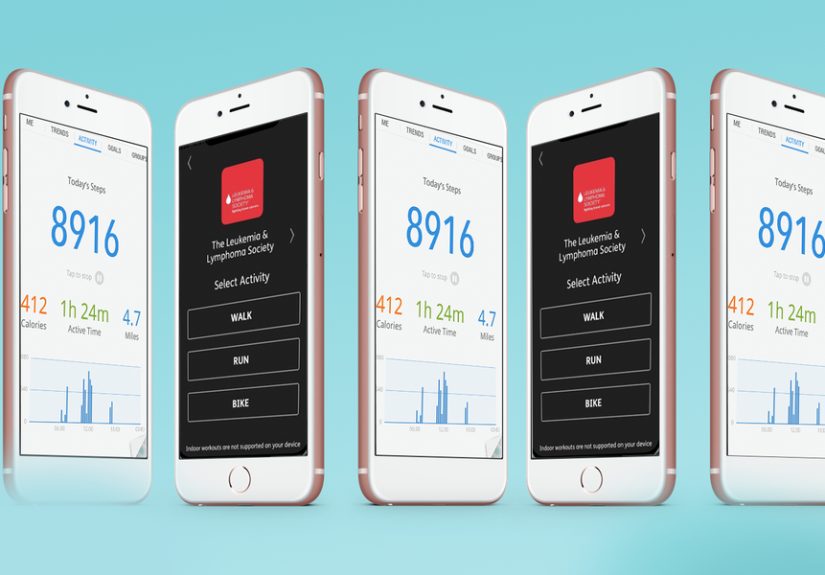
Charity Miles brought something different to the table: heart. Instead of only focusing on steps and stats, it connected walking, running, and movement with charitable giving. That gave people an extra reason to keep going, especially on days when motivation was hiding under the couch cushions.
If standard step goals leave you cold, a purpose-driven app can be surprisingly effective. Charity Miles turned movement into something that felt useful beyond personal fitness, and that made it memorable in a crowded app market.
How to Choose the Best Pedometer App for You
The truth is, the best pedometer app for iPhone or Android depends on your personality as much as your phone. If you love clean design and minimal clutter, try StepsApp, Stepz, or Pedometer++. If you want route maps and workout tracking, Map My Walk or Walkmeter make more sense. If you want a broader wellness dashboard, Google Fit, Fitbit, or Samsung Health are better fits. And if motivation is your weak spot, Pacer or Charity Miles may keep you moving when sheer willpower taps out.
It also helps to think about your actual habits. Do you want passive tracking all day, or only when you start a walk? Do you care about Apple Watch support? Do you enjoy charts, badges, and challenges, or do those make you roll your eyes so hard you accidentally burn a calorie? The right answer is the app you will still be using a month from now.
Tips for Getting More from a Step Counter App
A step counter app is most useful when it supports consistency, not obsession. You do not need to stare at your phone every 14 minutes like a stock trader monitoring sandal futures. Instead, use your app to build a few simple habits. Set a realistic daily goal. Take short walking breaks. Compare weekly trends instead of panicking over one lazy Tuesday. If your app supports reminders, challenges, or route history, use those tools to make walking easier and more enjoyable.
It is also smart to focus on overall movement, not just one magic number. For many adults, regular walking can be a practical way to work toward broader activity goals, such as the widely recommended 150 minutes of moderate-intensity movement per week. In that sense, the best step tracker app is not necessarily the one with the most features. It is the one that helps you move more, more often.
Real-World Experiences With Step Counter Apps
One of the most common experiences people have with step counter apps is surprise. Most users assume they move more than they actually do, at least until their phone politely reveals the truth. A normal work-from-home day can feel busy, but your app might inform you that you have taken 1,842 steps and spent most of the afternoon traveling from desk to fridge and back. Humbling? Yes. Helpful? Also yes.
Another frequent experience is how quickly step tracking changes behavior in tiny ways. People start parking farther from the entrance. They pace during phone calls. They choose the stairs because the elevator suddenly feels like giving up on a very low-stakes mission. These are not dramatic fitness transformations worthy of a movie montage, but they matter. A good app makes movement visible, and once movement becomes visible, it often becomes easier to improve.
Many users also discover that motivation styles are wildly different. Some people love streaks, badges, and challenge notifications. They want the app to clap when they hit a goal and throw digital confetti when they crush it. Others find that kind of feedback deeply annoying and prefer a silent tracker with a clean dashboard. That is why app choice matters. The wrong app can feel like a nag. The right app can feel like a supportive friend who never judges your slow Sunday.
Battery life is another real-world issue people notice fast. An app with GPS route tracking can be great for outdoor walks, but if you leave every feature running all day, your phone may act like it ran a marathon too. For many users, the sweet spot is using passive step counting throughout the day and turning on GPS only for dedicated walks, hikes, or exercise sessions.
Accuracy is also part of the experience, though it is rarely perfect. Step counter apps do a good job overall, but users often notice occasional quirks. A bumpy car ride may appear suspiciously athletic. A stroller walk may count fewer steps than expected. An arm-swing-heavy kitchen dance session may accidentally look like cardio, which, honestly, might still count for morale. The point is not mathematical perfection. The point is useful consistency over time.
Then there is the emotional side. Many people say step counter apps help them feel more in control of their routines, especially when work is sedentary or schedules are chaotic. Hitting a step goal can create a small sense of accomplishment that spills into other habits, like drinking more water, sleeping better, or taking an evening walk instead of collapsing straight into the couch. That momentum is a big reason these apps became so popular in 2022.
Perhaps the best real-world lesson is this: step counter apps work best when they fit naturally into life. The winners are usually not the apps with the most features. They are the ones people actually keep. The one that opens fast. The one with a dashboard that makes sense. The one that helps you turn “I should move more” into “I walked 7,400 steps today, and tomorrow I can probably do a little better.”
Final Verdict
The best step counter apps of 2022 covered a wide range of needs, from minimalist pedometers to full-featured walking and fitness platforms. Pacer was the best all-around choice for most users. Google Fit and Samsung Health were excellent picks for Android users who wanted broader health tracking. StepsApp, Stepz, and Pedometer++ were especially appealing for Apple users who wanted clean design and reliable step tracking. Map My Walk and Walkmeter were better for exercise-focused walkers, while Charity Miles added a meaningful twist for people who needed purpose as motivation.
At the end of the day, the best step counter app is the one that gets you to move a little more without making your life more complicated. If an app can help you walk more, sit less, and notice your progress without becoming your full-time manager, that is a win. And honestly, in a world full of overcomplicated tech, a simple win is pretty refreshing.