Table of Contents >> Show >> Hide
- What Makes a Great Bench Press Substitute?
- Quick Safety Notes (Especially If You’re New)
- The 12 Best Bench Press Alternatives
- 1) Standard Push-Up
- 2) Incline Push-Up (Hands Elevated)
- 3) Decline Push-Up (Feet Elevated)
- 4) Dips (Parallel Bar or Assisted)
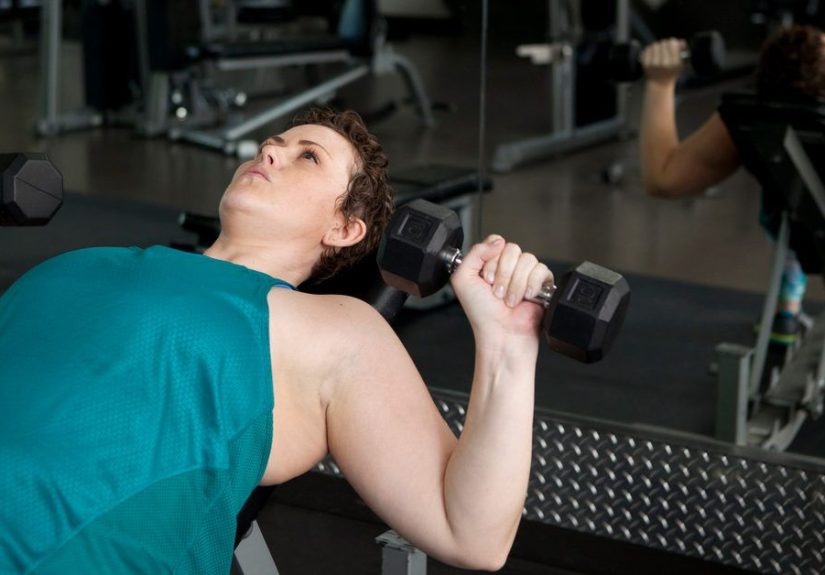
- 5) Dumbbell Floor Press
- 6) Dumbbell Bench Press (Flat)
- 7) Incline Dumbbell Press
- 8) Dumbbell Squeeze Press (a.k.a. Hex Press)
- 9) Dumbbell Fly (or Floor Fly with Light Weight)
- 10) Resistance Band Chest Press (Standing)
- 11) Cable Chest Press (Standing or Split Stance)
- 12) Chest Press Machine
- How to Pick the Right Bench Press Alternative for Your Goal
- Sample Bench-Free Chest Workouts (Pick One)
- FAQ: Bench Press Alternatives
- Real-World Experiences: What People Notice When They Swap the Bench (About )
- Conclusion
The bench press is iconic. It’s also wildly inconvenient when the bench is taken, your shoulders are cranky, you’re training at home, or you’d rather not play
“human barbell Jenga” without a spotter. The good news: you can absolutely build a stronger, fuller chest (and stronger triceps and shoulders) without a barbell bench
press in your life.
This guide breaks down 12 bench press alternativesfrom body-weight moves you can do in a hotel room, to dumbbell presses that hit the same
“horizontal push” pattern, to cable and machine options when you want smooth tension and less balancing drama.
What Makes a Great Bench Press Substitute?
The bench press is basically a horizontal press: you push weight away from your chest while your shoulder blades stay controlled and your core stays braced.
So the best alternatives usually share a few traits:
- Same movement pattern: a horizontal push (or close enough) that trains chest, triceps, and front delts.
- Progressive overload: you can make it harder over time (more reps, more load, harder variation, slower tempo).
- Joint-friendly options: you can adjust hand position, range of motion, and angle to match your body.
- Good stimulus-to-risk ratio: big chest payoff without “oops, my shoulder filed a complaint.”
Quick Safety Notes (Especially If You’re New)
If you’re newer to lifting (or you’re a teen still building foundational strength), the smartest play is simple: master form first, keep loads appropriate,
and progress gradually. Your chest will still grow even if you’re not maxing out like you’re auditioning for a superhero movie.
- Warm up your shoulders and upper back (arm circles, band pull-aparts, light push-ups, easy presses).
- Choose a resistance you can control for 8–12 quality reps (or 10–15 if you’re building skill and endurance).
- Stop a rep or two before form falls apartugly reps are not a personality trait.
- If something pinches sharply (not just “muscle burn”), switch variations or range of motion.
The 12 Best Bench Press Alternatives
Below you’ll find a mix of body-weight chest exercises, dumbbell bench press substitutes, and gym-based options. Pick 2–4 per week,
rotate them every 4–8 weeks, and keep a simple goal: do a little more over time.
1) Standard Push-Up
The push-up is the classic bench press alternative because it trains the same pressing muscleschest, triceps, shoulderswhile also demanding core and
total-body tension. It’s like a plank that decided to become ambitious.
How to do it
- Hands under (or slightly wider than) shoulders, fingers spread.
- Body in a straight line: head, ribs, hips, heels.
- Lower with control until your chest is close to the floor, then press back up.
- Keep elbows about 30–60 degrees from your torso (not flared like chicken wings).
Progressions
- Add reps, slow the lowering phase (3 seconds down), or add a pause near the bottom.
- Wear a backpack with books (the original “home gym” upgrade).
2) Incline Push-Up (Hands Elevated)
If standard push-ups are currently rude to you, incline push-ups are the polite version. By elevating your hands on a sturdy surface (bench, box, countertop),
you reduce the percentage of body weight you’re pressingwithout changing the pattern.
How to do it
- Hands on a stable surface; body stays rigid like a plank.
- Lower your chest toward the edge, then press up.
- Choose a height that lets you hit clean reps without your hips doing the worm.
Why it’s great
It’s a perfect on-ramp to full push-ups and a high-rep chest finisher even for experienced lifters.
3) Decline Push-Up (Feet Elevated)
Want more challenge without equipment? Elevate your feet. Decline push-ups shift more load toward your upper chest and shoulders and generally feel tougher
because gravity is suddenly very invested in your discomfort.
How to do it
- Feet on a bench/box, hands on the floor.
- Brace your core; don’t let your low back sag.
- Lower under control, press up strong.
Programming tip
Use these for moderate reps (6–12) and treat them like a strength movement, not a flailing contest.
4) Dips (Parallel Bar or Assisted)
Dips are a powerhouse bench press alternative because they train chest and triceps hard, especially when you lean slightly forward. They’re also
one of those movements that can feel amazing for some people and cranky for othersso treat them with respect.
How to do it
- Support yourself on parallel bars; shoulders down and back.
- Lower until your upper arms are roughly parallel to the floor (or a comfortable depth).
- Press back up without shrugging your shoulders to your ears.
Options
- Assisted dip machine or a resistance band for help.
- Bench dips can work, but they may bother shoulders for some liftersuse caution and keep range comfortable.
5) Dumbbell Floor Press
No bench? No problem. The dumbbell floor press mimics the bench press pattern, but the floor limits your range of motion. That often makes it
friendlier for shoulders and emphasizes the top half of the pressgreat for triceps strength and lockout power.
How to do it
- Lie on the floor with knees bent, feet flat.
- Start with dumbbells near your chest, elbows around 45 degrees from your torso.
- Press up, squeeze your chest, then lower until your upper arms gently touch the floor.
- Pause briefly, then press againcontrolled and smooth.
Common mistake
Bouncing elbows off the floor. The floor is not a trampoline. Keep it controlled.
6) Dumbbell Bench Press (Flat)
If you have a bench but want an alternative to the barbell, dumbbells are a fantastic swap. You often get a more natural arm path, you can train each side
evenly, and you can adjust grip (neutral grip can feel shoulder-friendlier for many people).
How to do it
- Set shoulder blades “down and back” into the bench for stability.
- Start dumbbells near chest, elbows around 45 degrees.
- Press up and slightly in (not clanking together like cymbals in a marching band).
- Lower under control; keep wrists stacked over elbows.
Why it works
It’s a true bench press substitute for strength and hypertrophy, especially when you track load and reps consistently.
7) Incline Dumbbell Press
Incline pressing shifts emphasis toward the upper chest and front delts. If your chest training feels “all lower pec, no shelf,” incline work can help
balance development.
How to do it
- Set bench to a low-to-moderate incline (often ~15–30 degrees is plenty).
- Keep feet planted, core braced, shoulder blades controlled.
- Press up over your upper chest; lower slowly and evenly.
Progressions
- Increase load gradually, add reps, or add a 1-second pause near the bottom.
8) Dumbbell Squeeze Press (a.k.a. Hex Press)
This one is sneaky. By pressing two dumbbells together as you press upward, you create extra adduction (squeezing inward), which can increase
chest tension even with lighter loads. Great when dumbbells aren’t super heavy at home.
How to do it
- Lie on a bench or the floor with dumbbells touching each other.
- Squeeze them together the entire time (like you’re trying to make one mega-dumbbell).
- Press up and lower slowly while maintaining the squeeze.
Best use
Moderate-to-high reps (10–15) and controlled tempo. Your chest will notice.
9) Dumbbell Fly (or Floor Fly with Light Weight)
The bench press is a press; the fly is more of a “hug the world” movement. It doesn’t replace pressing strength perfectly, but it’s a strong complement that targets
the chest through a wide arc and can help with chest hypertrophy when done carefully.
How to do it
- Start with dumbbells over your chest, palms facing each other.
- Lower arms out to the sides with a slight elbow bend (think “soft elbows,” not locked).
- Stop when you feel a deep chest stretch without shoulder discomfort, then bring weights back together.
Safety tip
Flys get sketchy when people go too heavy. Stay controlled, lighter than you think, and earn your range of motion.
10) Resistance Band Chest Press (Standing)
Bands are underrated: portable, joint-friendly, and great for consistent tension. A standing band chest press can replicate the horizontal press pattern,
especially when you stagger your stance and brace your core.
How to do it
- Anchor a band behind you at chest height (door anchor or sturdy post).
- Step forward to create tension; take a staggered stance.
- Press forward until arms extend; return slowly without losing control.
- Keep ribs down and avoid turning it into a dramatic backbend.
Progressions
- Step farther forward, use a thicker band, or slow the tempo (3 seconds out, 3 seconds back).
11) Cable Chest Press (Standing or Split Stance)
Cables give you smooth resistance through the whole rep and make it easy to adjust angle. The cable chest press is a great bench press alternative when
you want chest work without heavy joint stressand without balancing dumbbells like you’re on a circus wire.
How to do it
- Set handles at mid-chest height, step forward into a split stance.
- Press forward and slightly inward; pause and squeeze your chest.
- Return with control; keep shoulders down and stable.
Variation
Adjust handles higher for more upper-chest emphasis, lower for more lower-chest emphasis.
12) Chest Press Machine
Machines sometimes get unfairly labeled “too easy,” which is hilariousbecause the machine doesn’t care about your opinions; it cares about your pecs.
A chest press machine is a strong alternative when you want stability, consistent form, and straightforward progressive overload.
How to do it
- Set seat height so handles align roughly with mid-chest.
- Keep shoulder blades controlled against the pad; don’t shrug.
- Press smoothly, pause briefly, return slowly.
Best use
Great for hypertrophy sets (8–15 reps) and safe intensity when you’re training alone.
How to Pick the Right Bench Press Alternative for Your Goal
If your goal is strength
- Dumbbell bench press
- Dumbbell floor press
- Dips (if shoulders tolerate them)
- Chest press machine (heavy, controlled sets)
If your goal is chest size (hypertrophy)
- Incline dumbbell press
- Dumbbell squeeze press
- Cable chest press
- Dumbbell fly (lighter, controlled)
- Push-up variations to finish (high-quality reps)
If you’re training at home with minimal gear
- Push-ups (incline, standard, decline)
- Dumbbell floor press
- Band chest press
- Squeeze press with moderate dumbbells
If your shoulders are picky
- Try neutral-grip dumbbell pressing
- Limit range with the floor press
- Use cables or machines for controlled paths
- Avoid deep dips if they irritate your shoulders
Sample Bench-Free Chest Workouts (Pick One)
Workout A: No Equipment (15–25 minutes)
- Incline push-up: 3 sets of 8–15
- Standard push-up: 3 sets of 6–12 (stop before form breaks)
- Decline push-up: 2–3 sets of 6–10
- Optional finisher: 1 set max-quality reps (not max-ugly reps)
Workout B: Dumbbells at Home
- Dumbbell floor press: 4 sets of 6–10
- Incline dumbbell press (if you have a bench): 3 sets of 8–12
- Dumbbell squeeze press: 2–3 sets of 10–15
- Light dumbbell fly (or floor fly): 2 sets of 12–15
Workout C: Gym (Cables + Machine)
- Cable chest press: 3–4 sets of 8–12
- Chest press machine: 3 sets of 8–15
- Dips (assisted if needed): 2–3 sets of 6–10
- Optional: cable press (higher angle) 2 sets of 12–15
FAQ: Bench Press Alternatives
Can push-ups really build a big chest?
Yesif you progress them. Many people stall because they only do the same push-up forever. Make them harder (decline, weighted, tempo, pauses) and track your work.
What’s the closest match to barbell bench press?
The dumbbell bench press is usually the closest in movement pattern. If you don’t have a bench, the dumbbell floor press is the next best.
Do I need multiple chest exercises?
Not always, but variety helps. A solid approach is one main press (floor press, dumbbell press, machine press) plus one accessory (cables, flys,
push-up variation) to add volume and hit the chest from a slightly different angle.
Real-World Experiences: What People Notice When They Swap the Bench (About )
When people replace the barbell bench press with these alternatives, a few patterns show up again and againespecially in the first two to four weeks.
First, many lifters are surprised by how “honest” body-weight pressing feels. A standard push-up might look simple, but once you tighten your core, keep a straight line,
and lower with control, it suddenly becomes obvious why it’s a classic. People often report that their chest and triceps feel more evenly worked because the movement
forces full-body tension. The trade-off is that fatigue can sneak up quickly: your core and shoulders may tire before your chest does. That’s not a failure; it’s feedback.
The fix is usually to use incline push-ups for cleaner volume, then gradually move lower as strength improves.
With dumbbells, the big “aha” moment tends to be stability. Lifters who are used to a fixed bar path often notice extra shaking at the bottom of a dumbbell press
or when setting up on the floor. This is normalyour stabilizers are doing more work. Many people also find that a slightly more neutral grip (palms facing each other)
feels smoother on the shoulders compared to a wide, elbows-flared position. Another common experience: the dumbbell floor press can feel incredibly triceps-dominant.
Some lifters love that because lockout strength improves fast. Others miss the deep chest stretch they get on a full bench press. If that’s you, pairing floor presses
with incline dumbbell presses, cable presses, or light flys often brings back that “chest pump” feeling without forcing a painful range of motion.
Bands and cables bring a different kind of learning curve. People often describe them as “easy at first” until they realize that maintaining positionribs down,
shoulder blades controlled, neck relaxedmatters a lot when tension is pulling you backward. Once technique clicks, bands and cables become a favorite for higher-rep,
low-joint-stress chest work. A small adjustment, like stepping forward one extra inch or pausing at full extension, can dramatically change difficulty. That makes them
perfect for days when you want to train hard without feeling beat up.
Machines tend to create the most dramatic pumpand the most dramatic ego checks. Because you don’t have to balance the load, you can focus purely on pushing and
controlling the return. Many people notice they can accumulate more quality reps on a machine than with free weights, which is great for hypertrophy. The key experience
shift here is learning to avoid “short reps.” When lifters slow down, hit a consistent depth, and keep shoulders stable, machines stop being “just machines” and start
being serious chest builders.
Finally, there’s the mindset change: swapping the bench often reminds people that progress isn’t married to one piece of equipment. Tracking performance still matters
reps, sets, tempo, load, and range of motionbut you can build impressive pressing strength and chest size with smart alternatives. The best “bench press replacement”
is the one you can perform consistently, pain-free, and progressivelyweek after weekwithout needing to reserve the only bench in the gym like it’s a concert ticket.
Conclusion
The barbell bench press is a great tool, not a requirement. If you can’t bench (or simply don’t want to today), you can still train the same muscles and the same
pressing pattern using push-ups, dumbbells, bands, cables, and machines. Pick a few alternatives that fit your equipment and joints, focus on clean reps, and
progress gradually. Your chest doesn’t care what you call the exerciseit only cares that you challenge it consistently.