Table of Contents >> Show >> Hide
- What “Natural Appetite Suppressant” Really Means
- The 10 Natural Appetite Suppressants (And How to Use Them)
- 1) Protein at Every Meal (Especially Breakfast)
- 2) Soluble Fiber-Rich Foods (The “Gel” Advantage)
- 3) Psyllium Husk (A Helpful Fiber Supplement, If You Use It Correctly)
- 4) Water Before Meals (The Simplest “Pre-Game”)
- 5) Low-Calorie Soup Starters (A “Volume Trick” That Actually Works)
- 6) High-Volume, Water-Rich Foods (Fruits and Vegetables That Crowd Out Cravings)
- 7) Nuts, Seeds, and Avocado (Satiety From Healthy FatsWith Portions That Behave)
- 8) Coffee (Yes, Even Decaf Can Help Some People)
- 9) Green Tea (Modest Help, Nice Habit)
- 10) Spicy-and-Sour Flavor Boosters (Chili + Vinegar) That Make Meals More Satisfying
- How to Stack These Appetite Suppressants in a Normal Day
- Common Mistakes That Make Hunger Worse
- Real-World Experiences (What People Commonly Notice)
- Experience #1: The “Protein Breakfast = Fewer Snack Emergencies” Shift
- Experience #2: The “Soup Starter” That Shrinks Dinner Without Shrinking Joy
- Experience #3: Fiber Done Slowly (Because Your Stomach Has Opinions)
- Experience #4: Coffee and Tea as a HabitNot a Sugar Delivery System
- Experience #5: Spicy and Sour Flavors That Make “Healthy Food” Feel Less Like Homework
- Final Takeaway
Hunger has a reputation problem. We treat it like a villain when it’s really just your body’s push notification:
“Hey, energy would be nice.” The issue isn’t that you feel hungryit’s that modern food (and modern schedules)
can make hunger show up louder, earlier, and more often than your goals would prefer.
The good news: you don’t need a sketchy “miracle tea,” a sad desk salad, or a heroic amount of willpower. You can
naturally suppress appetite by using foods and habits that increase satiety (the satisfied, “I’m good” feeling),
stabilize blood sugar, and reduce craving-driven snacking. This article breaks down 10 natural appetite suppressants
that can support weight lossusing real-world, practical tactics you can start today.
What “Natural Appetite Suppressant” Really Means
Let’s keep it honest: no food “turns off” appetite forever (and it shouldn’tyour body needs fuel). In this guide,
“natural appetite suppressants” means foods and simple strategies that help you:
- Feel full sooner and stay full longer
- Reduce the urge to snack between meals
- Make it easier to maintain a calorie deficit without feeling miserable
If you’re pregnant, managing diabetes, have kidney disease, reflux, or take medications that affect blood sugar or fluid
balance, check with a clinician before making major dietary changes or adding supplements. “Natural” can still have side effects.
The 10 Natural Appetite Suppressants (And How to Use Them)
1) Protein at Every Meal (Especially Breakfast)
Protein is the MVP of “staying power.” Compared with refined carbs alone, protein tends to digest more slowly and helps you
feel satisfied longer. Many people notice that a protein-forward breakfast reduces the late-morning snack spiralaka the
“Why am I eating crackers like it’s my job?” phenomenon.
How to use it:
- Aim to include a solid protein source at each meal (eggs, Greek yogurt, cottage cheese, tofu, chicken, fish, beans, lentils).
- Pair protein with fiber (fruit, oats, vegetables) for a one-two fullness punch.
Simple example: Greek yogurt + berries + chia seeds, or eggs + sautéed veggies + whole-grain toast.
2) Soluble Fiber-Rich Foods (The “Gel” Advantage)
Soluble fiber absorbs water and forms a gel-like texture in your digestive tract. Translation: it slows digestion and helps you
feel full with fewer calorieswithout you having to stare down your plate like it personally offended you.
Best whole-food sources:
- Oats and barley
- Beans and lentils
- Apples, citrus, berries
- Chia and flaxseed
How to use it: Add beans to salads and soups, swap refined grains for oats or barley, and top breakfast with chia or berries.
Increase fiber gradually and drink enough water to stay comfortable.
3) Psyllium Husk (A Helpful Fiber Supplement, If You Use It Correctly)
Psyllium is a gel-forming fiber that can increase fullness and reduce hunger between meals for some people. It’s also widely used
for digestive regularity, and it shows up in many “fiber powders” and capsules.
How to use it safely:
- Always take it with a full glass of water (and keep sipping water afterward).
- Start small to avoid bloating, then increase gradually.
- Separate from medications by a couple of hours unless your pharmacist says otherwise.
Realistic expectation: Psyllium can support appetite control, but it won’t “replace” a balanced diet. Think of it as a helpful assistantnot the CEO.
4) Water Before Meals (The Simplest “Pre-Game”)
Drinking water before eating can take the edge off hunger by adding volume in the stomach. It’s not glamorous, but neither is
scrolling food delivery apps while already fullyet here we are.
How to use it:
- Try a large glass of water 15–30 minutes before meals.
- If plain water is boring, add lemon, cucumber, or drink sparkling water (unsweetened).
Bonus: Swapping sugary drinks for water reduces calorie intake without changing food at allarguably the easiest win in nutrition.
5) Low-Calorie Soup Starters (A “Volume Trick” That Actually Works)
Starting a meal with a broth-based vegetable soup can reduce how much you eat afterward. Soup adds warm, satisfying volume
with relatively low caloriesespecially when it’s heavy on vegetables and light on cream.
How to use it:
- Have a small bowl of broth-based soup before your main meal.
- Choose veggie, chicken-vegetable, lentil, or minestrone; go easy on creamy chowders if weight loss is the goal.
Quick example: A mug of vegetable soup before dinner, then your normal platejust slightly smaller without feeling deprived.
6) High-Volume, Water-Rich Foods (Fruits and Vegetables That Crowd Out Cravings)
Fruits and vegetables are naturally low in energy density, meaning you get a lot of volume for relatively few calories. Water
adds bulk without adding calories, helping you feel satisfied while staying within a calorie deficit.
How to use it:
- Fill half your plate with non-starchy veggies (salad greens, broccoli, peppers, zucchini, cauliflower, green beans).
- Use fruit as your “sweet finish” instead of desserts that don’t keep you full.
- Snack smarter: crunchy vegetables + a protein dip (Greek yogurt ranch, hummus).
7) Nuts, Seeds, and Avocado (Satiety From Healthy FatsWith Portions That Behave)
Healthy fats slow digestion and make meals feel more satisfying. Nuts and seeds also bring fiber and protein, which helps
appetite control. The catch: they’re calorie-dense, so portion size matters.
How to use it:
- Stick to about 1 ounce of nuts (a small handful) or 1–2 tablespoons of seeds.
- Add sliced avocado to a salad or a breakfast bowl instead of piling on extra cheese and dressings.
- Pre-portion snacksbecause eating nuts from the bag is a hobby that quickly becomes a lifestyle.
8) Coffee (Yes, Even Decaf Can Help Some People)
Coffee can influence appetite and satiety signals in the short term. For many, a cup of coffee between meals decreases the urge
to snackespecially if it replaces a sugary latte that was basically dessert in a trench coat.
How to use it:
- Choose black coffee or lightly sweetened versions; heavy sugar and flavored syrups can erase the benefit.
- Time it earlier in the day to protect sleep (poor sleep can worsen hunger).
- If caffeine makes you anxious or jittery, switch to half-caf or decaf.
Pro tip: If “coffee makes me snacky,” you’re not brokensome people respond differently. Test it, don’t assume.
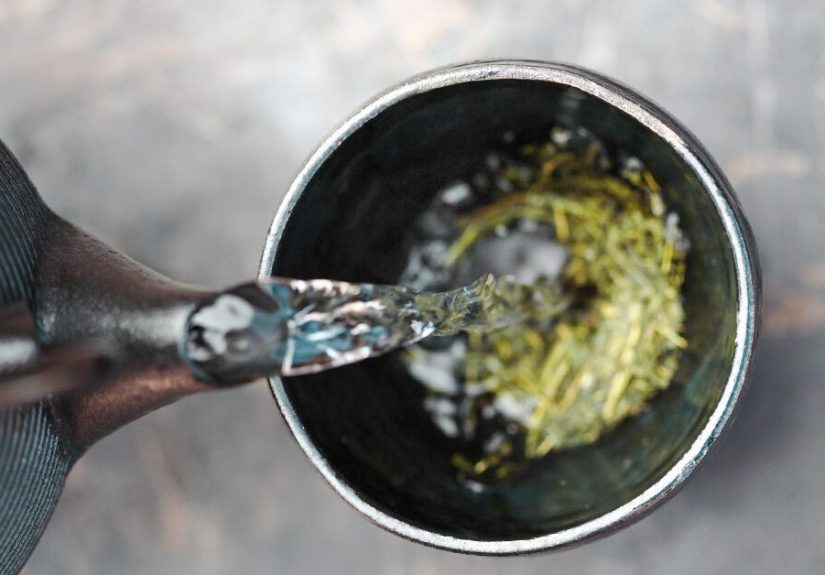
9) Green Tea (Modest Help, Nice Habit)
Green tea contains caffeine and catechins, which may slightly support weight management and appetite control for some people.
The effect is usually modestthink “helpful nudge,” not “magical metabolism fairy.”
How to use it:
- Drink it unsweetened (or lightly sweetened) to avoid adding extra calories.
- Try it mid-morning or early afternoon as a snack replacement.
- If you’re sensitive to caffeine, choose decaf green tea or herbal tea instead.
10) Spicy-and-Sour Flavor Boosters (Chili + Vinegar) That Make Meals More Satisfying
Two surprisingly useful appetite tools are spice and acid. Capsaicin (the compound that gives chili peppers heat)
may reduce appetite in some studies, and vinegar-based flavors may reduce appetite for some peoplethough vinegar can also cause
nausea in certain cases, so it’s not for everyone.
Spicy (Capsaicin)
- Add crushed red pepper, jalapeño, hot sauce, or chili flakes to meals.
- Start small if you’re prone to heartburn or GI discomfort.
Sour (Vinegar, Preferably as Part of Food)
- Use vinegar in salad dressings, marinades, or slaws (apple cider vinegar, red wine vinegar, balsamic).
- Avoid drinking vinegar straightacid can irritate the throat and damage tooth enamel.
- If you have reflux or take diabetes medications, ask your clinician first.
How to Stack These Appetite Suppressants in a Normal Day
The “secret” isn’t picking one item from the list and hoping it does all the work. The magic is stacking: protein + fiber + volume,
then using smart beverages and flavor boosters to make it sustainable.
Sample Day (Simple, Not Perfect)
- Breakfast: Eggs + spinach + oatmeal with berries (protein + soluble fiber)
- Mid-morning: Coffee or green tea (unsweetened)
- Lunch: Big salad with chicken or beans + avocado + vinegar-based dressing (volume + protein + fat)
- Afternoon: Water + a pre-portioned handful of nuts, or veggies + hummus
- Dinner: Broth-based veggie soup starter + protein + roasted vegetables + whole grain
Common Mistakes That Make Hunger Worse
- Skipping protein at breakfast and “making it up later” (your snack drawer disagrees).
- Going from low fiber to very high fiber overnight (hello, bloat and regret). Increase gradually.
- Drinking calories without noticing (sweet tea, soda, fancy coffee drinks).
- Overdoing “healthy” fats like nuts and avocado (still calorie-dense; portions matter).
- Relying on vinegar shots or extreme hacks instead of meals that actually satisfy you.
Real-World Experiences (What People Commonly Notice)
Because appetite isn’t just biologyit’s also routine, stress, sleep, and the fact that someone brought donuts to the office again.
Here are a few realistic “what it feels like” experiences people often report when they start using natural appetite suppressants
consistently. (Not medical advicejust patterns that show up in real life.)
Experience #1: The “Protein Breakfast = Fewer Snack Emergencies” Shift
A lot of people start with one change: adding protein at breakfast. The first week can feel weird if you’re used to a pastry-only
morning. But by week two, it’s common to notice fewer “I need something NOW” moments around 10:30 a.m. The funny part is that
nothing dramatic happensyou’re just not thinking about food every 15 minutes. It’s like turning down a radio you didn’t realize
was blasting.
A practical example: swapping a bagel-with-nothing for Greek yogurt with berries and chia. It’s not a punishment meal. It’s just
a meal that stays with you. People often say the biggest benefit isn’t weight loss right awayit’s that their day feels calmer.
Experience #2: The “Soup Starter” That Shrinks Dinner Without Shrinking Joy
The soup trick tends to surprise people because it feels almost too easy. Instead of trying to “eat less,” they eat firsta
cup of broth-based vegetable soup. Then dinner happens, and they naturally serve a slightly smaller portion or stop earlier.
No dramatic willpower speech required.
The most common lesson here: the soup has to be the right kind. Creamy soups can still be delicious, but for appetite control,
the best results usually come from lighter soups loaded with vegetables and lean protein. People also report that the warmth
and slower pace makes dinner feel more like an event and less like a competitive sport.
Experience #3: Fiber Done Slowly (Because Your Stomach Has Opinions)
Fiber is one of the best appetite toolsand also the easiest to mess up. Many people try to go from “somewhat low fiber” to
“I am now 70% lentils” overnight. The next day, they feel bloated and swear off beans forever.
When people increase fiber gradually (adding berries to breakfast, beans to lunch twice a week, oats instead of sugary cereal),
they often notice a steadier appetite and fewer cravings. The “snack voice” gets quieter. And the biggest unlock is hydration:
fiber plus water is the partnership. Fiber without water is… a plot twist.
Experience #4: Coffee and Tea as a HabitNot a Sugar Delivery System
Lots of people already drink coffee or tea, but the appetite effect changes when the drink stops being dessert. Switching from
a syrupy blended coffee to black coffee or lightly sweetened tea often reduces afternoon crashes and mindless snacking.
People who are caffeine-sensitive frequently do best with half-caf or decafstill getting the ritual and “pause button,” without
the jittery hunger rebound.
Experience #5: Spicy and Sour Flavors That Make “Healthy Food” Feel Less Like Homework
This one is underrated: when meals taste exciting, you’re less likely to keep hunting for satisfaction afterward. People often find
that adding spice (chili flakes, hot sauce) and acid (vinegar-based dressing) makes salads, bowls, and lean proteins feel genuinely
craveable. The result isn’t just “I ate less.” It’s “I ate something that actually hit the spot.”
Final Takeaway
The best natural appetite suppressant isn’t a single ingredientit’s a strategy: protein + fiber + volume + smart beverages,
layered consistently. Do that, and weight loss gets less about wrestling hunger and more about building meals that satisfy you while
keeping calories in check. You’ll still get hungry sometimes (because you’re a human), but you won’t feel like hunger is running your life.