Table of Contents >> Show >> Hide
- 1) Match the Plant to the Light You Actually Have (Not the Light You Wish You Had)
- 2) Water Like a Plant Detective: Check the Soil, Not the Calendar
- 3) Prioritize Drainage and Airflow: Roots Need Oxygen, Too
- 4) Get Humidity Right: More Spa Day, Less Swamp Thing
- 5) Keep Temperatures Stable and Avoid Draft Drama
- 6) Fertilize Gentlyand Mostly When Plants Are Actively Growing
- 7) Repot With Purpose: Timing, Pot Size, and Fresh Soil Matter
- 8) Prune, Pinch, and Clean: “Plant Grooming” Is Real (And It Works)
- 9) Watch for Pests Early: The Best Treatment Is Not Letting Them Move In
- 10) Build a Simple “Plant Check” Routine (Because Memory Is a Myth)
- Conclusion: Healthy Houseplants Are Built on Consistent, Simple Habits
- Real-World Houseplant Experiences (An Extra From the Trenches)
Houseplants are basically tiny green roommates. They don’t pay rent, they sometimes act dramatic (hello, sudden leaf drop),
and they communicate exclusively through vibes and foliage. But when you learn what those “vibes” mean, indoor plant care gets
a lot simplerand honestly, way more fun.
The secret to happy, healthy houseplants isn’t owning 37 bottles of “miracle” plant tonics. It’s mastering a few core habits:
matching light to the plant, watering with intention, using the right potting mix, keeping an eye out for pests, and adjusting
care as your home changes through the seasons. Below are 10 indoor plant care tips that cover the big stuff (and the sneaky
stuff) so your plants can thrivenot just survive.
1) Match the Plant to the Light You Actually Have (Not the Light You Wish You Had)
Light is the gas in your plant’s tank. If it’s running on fumes, it won’t grow welleven if you whisper affirmations daily.
One of the most common houseplant problems is buying a plant for how it looks, then placing it where it “matches the decor”
instead of where it can photosynthesize like a champ.
How to size up your light, fast
- Bright light: close to a sunny window; often best with filtered sun (sheer curtain) for many tropicals.
- Medium light: a few feet back from a window; many easy plants (pothos, philodendron) do fine here.
- Low light: farther from windows; growth slows and watering needs drop (low light ≠ no light).
If your plant is stretching toward the window, making smaller leaves, or growing “leggy,” it’s basically asking for a better seat
at the solar buffet. Consider rotating pots weekly for even growth, and don’t be afraid to use a simple grow light in darker rooms.
2) Water Like a Plant Detective: Check the Soil, Not the Calendar
A “watering schedule” sounds responsible… until it isn’t. Your plant’s water needs change with light, temperature, humidity, pot size,
and growth rate. A weekly reminder can still be usefulif it reminds you to check the plant, not automatically drench it.
A reliable watering method
- Stick your finger into the potting mix about 1–2 inches deep.
- If it feels dry at that depth, it’s usually time to water (with exceptions like cacti/succulents that want drier soil).
- Water thoroughly until it drains out the bottom, then empty the saucer so roots don’t sit in water.
Deep watering encourages stronger root systems. Tiny sips on the surface can lead to shallow roots and inconsistent moisture.
Also: room-temperature water is your plant’s comfort food. Ice-cold water can stress many tropical houseplants.
3) Prioritize Drainage and Airflow: Roots Need Oxygen, Too
If your plant could speak, it would probably say: “Please stop making me wear wet socks.” Constantly soggy soil is the fast lane to root rot,
fungus gnats, and that mysterious “my plant looks sad even though I water it a lot” situation.
Set your roots up for success
- Choose pots with drainage holes for most plants.
- Use a quality potting mix (not garden soil), because potting mixes are designed to drain and breathe.
- Skip the rocks/gravel layer at the bottom of potsbetter drainage comes from the right mix and proper holes, not a rock collection.
Pay attention to your plant type, too. Orchids and other “air-root” plants need chunkier, more porous mixes than standard tropical houseplants.
Using the wrong medium can keep roots wet too long and invite rot.
4) Get Humidity Right: More Spa Day, Less Swamp Thing
Many popular houseplants (ferns, calatheas, some alocasias) come from humid environments. Meanwhile, many homesespecially with heating or ACare dry.
Low humidity can show up as crispy leaf edges, curling leaves, or stalled growth.
Smart ways to boost humidity
- Group plants together: they create a slightly more humid micro-zone.
- Use a pebble tray: a shallow tray with pebbles and water under the pot can raise humidity near foliage as water evaporates.
- Use a humidifier: the most consistent option if you’re serious (or if you own a fern with “opinions”).
Misting can help briefly, but it’s usually short-lived and can increase disease risk if leaves stay wet too long. If you mist, do it early so leaves dry.
Humidity is about the air, not leaving your plant’s leaves damp like a forgotten gym towel.
5) Keep Temperatures Stable and Avoid Draft Drama
Most houseplants are happiest in typical indoor temperatures, but they can react badly to sudden changes. Cold drafts, hot blasts from vents,
and frequent temperature swings can stress foliage and slow growth.
Common trouble spots
- Right next to heating/AC vents (the “hair dryer” effect).
- Pressed against cold window glass in winter.
- Near exterior doors that open frequently (drafty gusts can shock leaves).
If you notice leaf drop after moving a plant, it may be reacting to a new microclimate. Plants can acclimate, but they prefer consistency.
When in doubt, choose a stable spot and give it a couple of weeks before changing everything again.
6) Fertilize Gentlyand Mostly When Plants Are Actively Growing
Fertilizer is like seasoning. A little can elevate the meal. Too much can ruin the whole dishand sometimes the pot, too. Since houseplants grow more slowly
than outdoor plants, they usually need less fertilizer than many labels suggest.
Simple fertilizing rules that work
- Fertilize during active growth (often spring and summer for many houseplants).
- Pause or reduce in winter when growth slows due to shorter days and lower light.
- Follow the product directions and consider using a weaker dilution to avoid burning roots.
If your plant is growing new leaves regularly, fertilizer can help support that growth. If it’s barely moving in winter light, feeding it is like
handing a three-course meal to someone who’s already asleep.
7) Repot With Purpose: Timing, Pot Size, and Fresh Soil Matter
Repotting isn’t just “giving your plant a bigger home.” It’s also about refreshing old potting mix, improving aeration, and giving roots room to grow.
But bigger isn’t always better: an oversized pot can hold extra moisture and increase the risk of root rot.
Signs your plant may be ready to repot
- Roots circling the pot or growing out the drainage holes.
- Water runs straight through because roots have taken over the soil space.
- The plant dries out unusually fast or looks top-heavy and unstable.
Many houseplants respond best to repotting during the growing season (often spring/early summer), when they can rebound faster.
Choose a new pot only slightly larger than the old one, and use fresh, appropriate potting mix.
8) Prune, Pinch, and Clean: “Plant Grooming” Is Real (And It Works)
You don’t need to turn your living room into a botanical surgery ward, but light grooming helps plants stay healthy and look their best.
Removing dead leaves reduces hiding places for pests and encourages the plant to focus energy where it counts.
Quick grooming checklist
- Prune yellow or damaged leaves with clean scissors.
- Pinch back leggy growth to encourage bushier branching (especially on many vining plants).
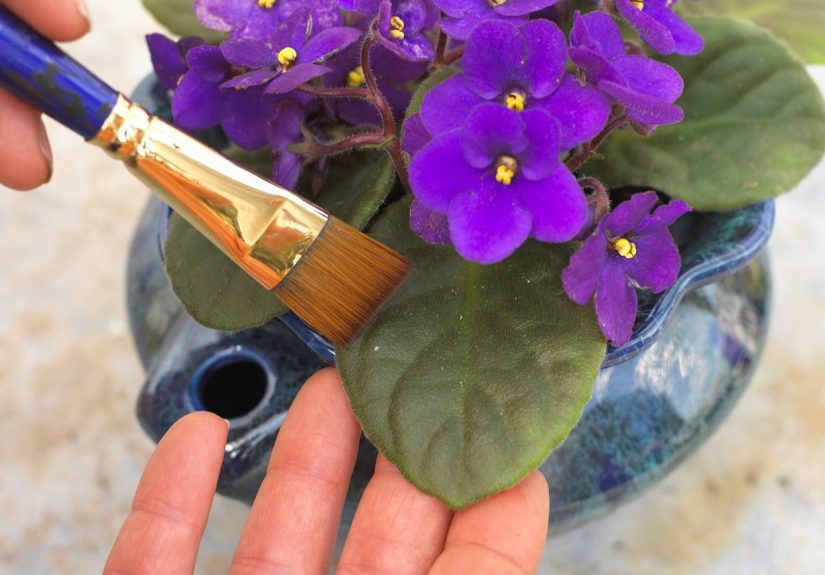
- Wipe dusty leaves with a damp cloth so the plant can photosynthesize more efficiently.
Bonus: Many common houseplants propagate easily from cuttings. So pruning can be “maintenance” and “free plants.”
That’s not just plant careit’s plant economics.
9) Watch for Pests Early: The Best Treatment Is Not Letting Them Move In
Indoor plants aren’t immune to pests. Spider mites, mealybugs, scale, aphids, and fungus gnats can show up even in clean homes.
The earlier you notice them, the easier they are to manage.
What to look for
- Spider mites: fine webbing, tiny speckles, and dull leaves (often worse in dry air).
- Mealybugs: white cottony clusters in leaf joints and stems.
- Fungus gnats: tiny flying bugs near soil, often linked to consistently wet potting mix.
Practical pest-control moves
- Quarantine new plants for a week or two when possible.
- Rinse foliage (including leaf undersides) to physically knock down pests.
- Use insecticidal soap or horticultural oil as needed, applied carefully and consistently.
- For light mealybug infestations: remove them with a cotton swab dipped in rubbing alcohol.
- For fungus gnats: let the top layer of soil dry more between waterings and keep the area clean of spilled mix and debris.
Pest control works best as a system: healthier plants resist damage better, and good watering habits reduce the conditions pests love.
10) Build a Simple “Plant Check” Routine (Because Memory Is a Myth)
You don’t need a complicated spreadsheetunless that sparks joy, in which case, go off. A simple weekly check-in catches problems early and helps you learn
what “normal” looks like for each plant.
A 5-minute weekly plant check
- Check soil moisture (finger test or lift the pot to feel its weight).
- Inspect leaves (top and underside) for pests or sticky residue.
- Remove dead leaves and wipe dusty ones.
- Rotate plants for even light exposure.
- Notice patterns: yellowing, drooping, stretching, crispy edgesthen adjust one thing at a time.
The key is to avoid “panic care.” When a plant looks sad, resist the urge to change everything at once. Adjust one variablelight, water, pot, or humiditythen
observe. Houseplant success is mostly patient observation disguised as responsibility.
Conclusion: Healthy Houseplants Are Built on Consistent, Simple Habits
If indoor plant care feels overwhelming, remember: most houseplants don’t need perfectionthey need consistency. Give them appropriate light, water based on
soil conditions, breathable potting mix, reasonable humidity, and occasional grooming. Watch for pests early and repot when roots truly need it. Do that, and
your plants will reward you with new growth, better color, and fewer dramatic collapses at 7:00 a.m. on a Monday.
Real-World Houseplant Experiences (An Extra From the Trenches)
Most people don’t become good at houseplant care because they read one perfect guide and instantly achieved botanical enlightenment. They become good because
they accidentally loved a plant a little too hard… and learned. Here are a few real-world lessons that come up again and again for indoor gardeners.
Lesson one: Overwatering looks like underwateringuntil you know the difference. A droopy plant can trick you into watering again, especially if
you’re a kind-hearted plant parent who believes hydration solves everything. But when roots are sitting in soggy soil, they can’t breathe properly, and the plant
may droop because it’s stressed, not thirsty. One of the best “aha” moments is realizing that the soil check is your truth serum. When the top couple inches are
still damp, step away from the watering can like it’s a hot stove.
Lesson two: Light fixes problems you didn’t even know were light problems. Many plants don’t “die” in low lightthey slowly decline. They stretch,
grow smaller leaves, and stop thriving. A small shiftmoving a plant closer to a window, rotating it regularly, or adding a modest grow lightcan produce a
surprising turnaround. People often assume their plant needs fertilizer, when what it really needs is brighter conditions so it can actually use those nutrients.
Lesson three: The “perfect” pot is the one that drains well. Decorative pots without drainage holes look great, but they can be risky unless you’re
extremely careful. A common workaround is keeping the plant in a plastic nursery pot (with holes) and slipping that into the decorative container. Then you can
water at the sink, let it drain fully, and return itno swampy surprise at the bottom.
Lesson four: Pest prevention is mostly about noticing early. The difference between “I handled that” and “I threw the plant away in defeat” is often
a one-week delay. People who win the pest battles tend to do two things: they quarantine new plants when possible, and they check the undersides of leaves during
their weekly routine. Catch spider mites early and a rinse plus soap can work. Ignore them for a month and suddenly you’re Googling “why does my plant have
Halloween decorations in January?”
Lesson five: Plants don’t love constant change. New spot, new pot, new fertilizer, new watering methodsometimes all in the same weekend. That’s a
lot. A calmer approach works better: change one variable and observe for a couple of weeks. If you repot, give the plant time to settle before fertilizing. If you
move it to brighter light, watch how quickly the soil dries and adjust watering. Most houseplant success comes from small, steady tweaksnot a full makeover
every time a leaf looks mildly offended.
In the end, indoor plant care is a relationship. You learn each plant’s habits, it teaches you patience, and together you build a home that’s a little greener and
a lot more alive.