Table of Contents >> Show >> Hide
- Why The Hulk Still Matters
- 10 Cool Facts About The Hulk
- 1) The Hulk debuted in 1962and he was built for the atomic age
- 2) The original Hulk was gray, not green
- 3) Hulk’s origin story introduced key characters on day one
- 4) Hulk is a founding Avengereven if he was not exactly easy to manage
- 5) “The Hulk” is not one personalityhe has multiple famous personas
- 6) Hulk’s powers are more than just punching things into orbit
- 7) Hulk’s official stats and aliases are gloriously over-the-top
- 8) “Planet Hulk” turned Hulk into a sci-fi epic hero
- 9) “World War Hulk” is one of Marvel’s biggest revenge stories
- 10) Hulk’s screen history is unusually wildand still evolving
- What Makes The Hulk So Endlessly Rewatchable and Rereadable
- Fan Experience Corner: Why “Hulk” Feels Bigger Than a Character (Extended 500+ Words)
- Conclusion
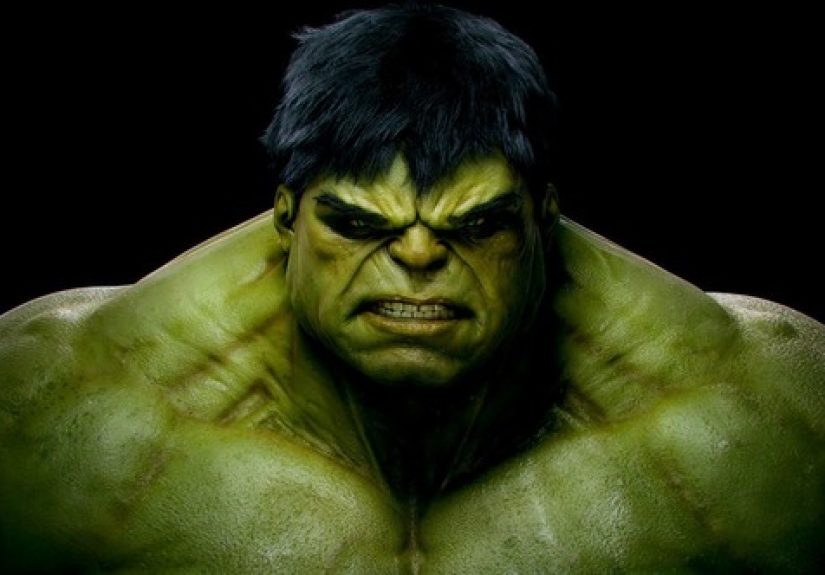
The Hulk is one of those characters who can punch a spaceship, wreck a city block, and still somehow make people feel bad for him. That is not an easy combo. He is part monster, part genius, part walking cautionary tale, and all-time comic book royalty. Whether you know him from classic Marvel comics, old-school TV reruns, MCU movies, or the “why is he always so mad?” conversations on the internet, the Hulk has a surprisingly deep history.
In this guide, we are smashing through 10 cool facts about the Hulkfrom his weird original color and comic-book debut to his many personalities, major story arcs, and modern “Smart Hulk” era. You will also get a fan-focused experience section at the end that explores why Hulk stories hit so hard emotionally, not just visually. (Yes, there will be smashing. No, you should not try gamma experiments at home.)
Why The Hulk Still Matters
A lot of superheroes are cool because they are aspirational. The Hulk is cool because he is relatable in a very chaotic way. Bruce Banner represents control, logic, and restraint. Hulk represents everything that happens when control fails. That tension is exactly why the character has lasted for decades across comics, TV, and film. He is not just a giant green powerhousehe is one of Marvel’s best examples of internal conflict turned into blockbuster mythology.
That is also why Hulk stories keep evolving. Some versions lean horror. Some lean action. Some are funny. Some are tragic. And somehow, all of them still feel like Hulk.
10 Cool Facts About The Hulk
1) The Hulk debuted in 1962and he was built for the atomic age
The Hulk first appeared in The Incredible Hulk #1 in May 1962, created by writer Stan Lee and artist Jack Kirby. That alone is a huge comic-book milestone, but the character’s concept is what makes the debut even cooler. Marvel has described the Hulk as a mashup of Dr. Jekyll and Mr. Hyde energy mixed with Cold War-era nuclear anxiety. In other words, the Hulk was never just “strong guy smashes stuff.” He was born as a metaphor for fear, power, and transformation.
The timing matters. Early 1960s America was deep in the nuclear era, and comics were getting bolder about science, mutation, and unintended consequences. Hulk fit that moment perfectly: a brilliant scientist, a radiation accident, and a monster that reflects what people are afraid ofincluding themselves.
2) The original Hulk was gray, not green
Yep, the Hulk was not originally green. In his debut appearance, he was gray. The color change happened fast because printing technology at the time could not produce a consistent gray tone from panel to panel. Sometimes the Hulk looked too dark, too light, or just plain weird. Marvel solved the problem the practical way: they changed him to green in the second issue.
It is one of the most famous “happy accidents” in comic history. A printing problem ended up creating one of the most recognizable visual identities in pop culture. Imagine if we all grew up saying “the Big Gray Guy.” It does not quite hit the same.
3) Hulk’s origin story introduced key characters on day one
Hulk’s first issue did not just introduce Bruce Banner’s transformation. It also packed in several major names tied to Hulk mythology, including General Thaddeus “Thunderbolt” Ross, Rick Jones, and Betty Ross. That means the core emotional and military tension of Hulk stories was present from the very beginning.
One especially cool detail: Marvel’s Hulk history notes that Bruce becomes the Hulk while saving Rick Jones from the Gamma Bomb test. In later stories, Marvel even circles back to that event as a crucial turning point in Hulk lore. So Hulk’s origin is not just a science accidentit is also a hero moment. Banner’s first defining act is saving someone else, which adds a lot of heart to a character people often reduce to rage.
4) Hulk is a founding Avengereven if he was not exactly easy to manage
People sometimes think of Hulk as a loner first and Avenger second, but he was there at the beginning. Marvel’s Avengers history explains that Loki framed Hulk, which brought several heroes together. After they defeated Loki, they formed the Avengers.
That origin is very on-brand for Hulk: he helps launch Earth’s biggest superhero team because someone weaponized his reputation. Classic Hulk move. He is often misunderstood, hunted, or blamed, but still ends up saving the day. That “danger + heroism” balance is a huge part of what makes him more interesting than a simple powerhouse character.
5) “The Hulk” is not one personalityhe has multiple famous personas
One of the coolest facts about the Hulk is that he is not a single, fixed version of himself. Marvel has highlighted multiple Hulk personalities, and they are wildly different. Savage Hulk is the classic smash-first-think-never version. Joe Fixit is the gray, street-smart Las Vegas enforcer with a gangster vibe. The Professor is the merged version with Hulk’s strength and Banner’s intelligence.
This is where Hulk stories get extra fun for longtime fans. You are not just tracking costume changes or power upgradesyou are tracking psychology. Marvel’s character profile even lists a giant stack of aliases and names tied to Hulk history, including Joe Fixit, Professor, Green Scar, and World Breaker. That is not just trivia. It is proof the character has range.
6) Hulk’s powers are more than just punching things into orbit
Yes, Hulk is famous for strength, and Marvel’s official profile absolutely leans into that. But the same profile also lists long-distance jumping, durability and regeneration, and even genius intelligence as part of the package. That combo is what makes Hulk stories so flexible.
Some versions of Hulk are pure force. Others are tactical. Some are terrifying because they heal too fast to stop. Others are scary because they can outthink you and throw a tank. Hulk works in cosmic battles, military thrillers, psychological stories, and team-ups because his abilities can shift based on which version of Banner/Hulk is in control.
7) Hulk’s official stats and aliases are gloriously over-the-top
Marvel’s comics profile lists Hulk at 7’6″ and 1,150 pounds. That is not “big guy” territory. That is “your floor plan is now a suggestion” territory. The same profile also lists Bruce Banner’s education as a Ph.D. in nuclear physics and two other fields, which is a nice reminder that Hulk stories always live at the intersection of brains and brawn.
Another great detail from the same profile: Hulk’s identity is listed as publicly known. That changes the dynamic compared with many superheroes. Bruce Banner is not hiding behind a mask. The world knows who he is, what he can become, and why everyone gets nervous when he starts breathing harder in meetings.
8) “Planet Hulk” turned Hulk into a sci-fi epic hero
If you only know Hulk from short “smash” moments, Planet Hulk is the storyline that can completely change your view of the character. Marvel describes the premise like a full fantasy war saga: Hulk is exiled into space, crash-lands on the planet Sakaar, and is forced into brutal gladiator combat before rising to fight back.
This arc is a fan favorite for a reason. Wired praised writer Greg Pak’s run for making Hulk feel fresh again, and SYFY later published an oral history showing how deeply the story endured with fans and creators. Planet Hulk proved Hulk could carry a huge, emotionally rich, world-building-heavy storynot just a “hero fights villain” issue of the month.
9) “World War Hulk” is one of Marvel’s biggest revenge stories
After Planet Hulk, Marvel escalated things with World War Hulkand “escalated” is putting it politely. Marvel’s own event summary describes Hulk returning to Earth after exile, furious and ready to go through Iron Man, Reed Richards, Doctor Strange, and basically anyone standing in his way.
This storyline is cool because it flips the usual superhero formula. Hulk is not just the misunderstood heavy hitter or the emergency weapon. He becomes the center of a massive event, and the rest of the Marvel Universe has to react to him. It is one of the clearest examples of Hulk being written as a force of nature with a very personal reason to rage.
10) Hulk’s screen history is unusually wildand still evolving
Hulk has one of the most interesting live-action histories in superhero media. Britannica notes that the classic live-action TV version (1978–82) split the role between Bill Bixby as Banner and Lou Ferrigno as the Hulk. TV Guide also reflects that legacy, including the cast and the show’s long-running cultural footprint.
On film, Hulk has moved through multiple eras: Ang Lee’s Hulk (2003), The Incredible Hulk (2008), and then Mark Ruffalo’s Hulk joining the MCU through The Avengers (2012). In the modern era, Hulk evolved again into “Smart Hulk” in Avengers: Endgame, which D23 described as a merged version of Banner’s intelligence and Hulk’s strength.
And here is a fun modern wrinkle: even with all that popularity, a full standalone Hulk movie remains tricky. Mark Ruffalo has said a solo Hulk film is very expensive because of the CGI demands. Meanwhile, the Hulk legacy keeps expanding through projects like She-Hulk: Attorney at Law, which pushed the Hulk family concept forward and even poked fun at Hulk’s actor-transition history in a very meta way.
What Makes The Hulk So Endlessly Rewatchable and Rereadable
The best Hulk stories work because they can deliver two very different experiences at the same time.
On the surface, you get spectacle: giant leaps, impossible strength, and the kind of destruction that makes city insurance companies cry. But underneath that, Hulk stories are usually about fear, shame, control, identity, and survival. Bruce Banner is often trying to “fix” himself, hide himself, or manage himself. Hulk is the part that refuses to stay locked up. That emotional tension is what keeps people coming back.
It also helps that Hulk stories can change genres without breaking the character. One week, Hulk can be in a monster story. The next week, he is in a war story, then a cosmic story, then a team-up, then something psychological. The character is flexible because the core conflict is so strong: intellect vs. instinct, repression vs. release, guilt vs. power.
Even in the MCU, where the tone can shift from serious to hilarious in one scene, Hulk still works because audiences understand the emotional core immediately. If Banner is calm, everyone relaxes. If Banner is stressed, the room gets very quiet. It is simple, visual storytellingbut it is backed by decades of character history.
Fan Experience Corner: Why “Hulk” Feels Bigger Than a Character (Extended 500+ Words)
If you ask longtime comic readers, movie fans, or casual Marvel viewers what the Hulk “feels like,” you usually get more than a character description. You get an experience. Some people remember the TV version firstBill Bixby’s sad, wandering scientist energy and Lou Ferrigno’s physical presence made Hulk feel like a lonely legend, not just a superhero. Other fans grew up on the comics, where Hulk could be scary, funny, tragic, and heroic all in one run. Newer audiences often connect through the MCU, where Mark Ruffalo’s version made Banner more vulnerable and more openly conflicted, then eventually turned that conflict into the strange-but-cool balance of Smart Hulk.
That range matters because Hulk fandom is not one thing. For some fans, Hulk is a power fantasy. He is the character you pick when you want to see a spaceship used as a baseball. For others, Hulk is emotional comfort food (the loud kind). Banner’s struggle with anger, guilt, and identity can feel deeply human, especially for readers who connect with stories about pressure, self-control, or feeling like they have to hide part of themselves just to function. Hulk stories often ask a question that lands harder than people expect: what do you do with the part of you that is powerful, messy, and impossible to ignore?
Another big part of the Hulk experience is that the character rewards different ages differently. Kids often love the obvious stuff: the size, the roar, the smashing, the sheer absurdity of watching someone rip apart metal like paper. Teen and adult readers tend to notice the psychology morethe fractured identities, the trauma themes, the weird brilliance of making a genius scientist and a destructive giant share one life. Then longtime fans discover something else: Hulk lore is incredibly rich. Once you start learning about Joe Fixit, Green Scar, Professor Hulk, Maestro, Sakaar, and all the “Hulk family” branches, it turns into a giant mythos.
The communal side of Hulk fandom is fun too. People debate their favorite version constantly. Some prefer the classic Savage Hulk because he is raw and iconic. Some love Planet Hulk because it proves Hulk can carry an epic. Some argue the TV Hulk is still unmatched for emotional tone. Others are all-in on Smart Hulk because it finally lets Banner and Hulk coexist instead of just fighting for control. And somehow, none of those opinions cancel each other out. They all feel valid because Hulk has been reinvented so many times.
Maybe that is the coolest part of all: Hulk is not frozen in one “correct” version. He evolves with each era, each writer, each actor, and each audience. A printing issue made him green. A changing media landscape made him a TV icon. Modern visual effects turned him into a digital performance challenge. Streaming expanded the Hulk family. But the core experience stays the same: Hulk stories make you feel the tension between control and chaos, and then they hand you a front-row seat when chaos wins.
So whether you are here for the lore, the psychology, the nostalgia, or the smashing, the Hulk keeps delivering. He is not just cool because he is strong. He is cool because he changesand somehow still feels like the same giant green problem we all know and love.
Conclusion
The Hulk has lasted this long because he is more than a superhero. He is a myth, a science-fiction warning, a psychological character study, and a crowd-pleasing wrecking ball all rolled into one. From his gray-skinned debut and 1960s comic roots to the multiverse of Hulk personas and the modern Smart Hulk era, he keeps evolving without losing what makes him special.
If you came in thinking Hulk was just “the angry one,” hopefully these 10 cool facts changed that. He is one of Marvel’s most layered characters, with one of the richest histories in comics and on-screen storytelling. And yes, he can still flatten a car with one hand, which is never bad for the brand.