Table of Contents >> Show >> Hide
- Quick refresher: what plantar fasciitis is (and why shoes matter)
- What experts look for in shoes for plantar fasciitis
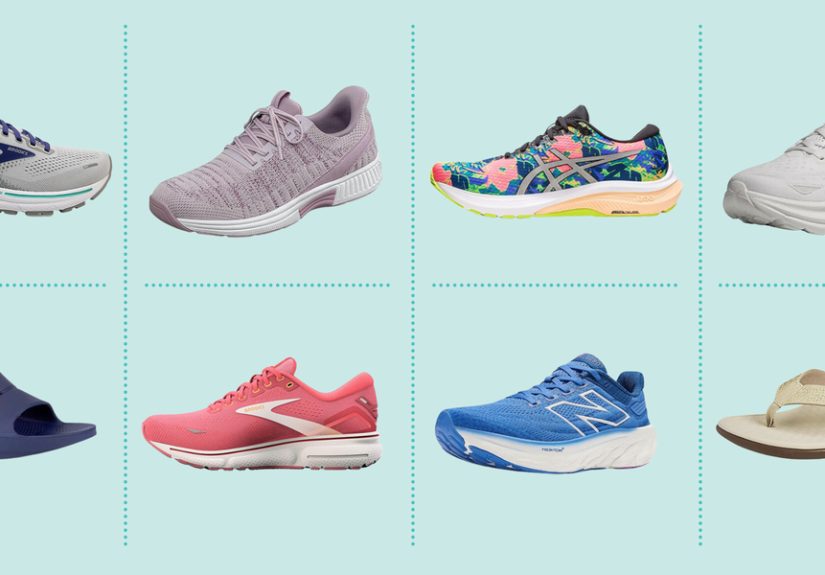
- At-a-glance: the 10 best shoes for plantar fasciitis (2024)
- The 10 best shoes for plantar fasciitis in 2024 (expert-style breakdown)
- 1) HOKA Clifton 9 Best overall for everyday comfort
- 2) Brooks Adrenaline GTS Best value stability pick
- 3) ASICS GT-2000 Best overall workout shoe
- 4) Orthofeet Knit Kita (Hands-Free) Best slip-on shoe
- 5) Brooks Ghost Best neutral running shoe
- 6) New Balance Fresh Foam X 1080 Best for wide feet and long standing days
- 7) OOFOS OOahh Slide Best recovery sandal
- 8) Vionic Tide Toe-Post Sandal Best supportive “flip-flop” alternative
- 9) NAOT Kayla Wedge Sandal Best dressy sandal
- 10) KURU TREAD Sandal Best sandal for exercise and outdoors
- How to choose the right pair for your feet (so you don’t buy “almost”)
- What not to do (even if the shoe is cute)
- When to see a clinician
- Real-life experiences: what it’s like finding the right shoe (about )
Plantar fasciitis has a signature move: it waits until you stand upespecially first thing in the morningthen sends a sharp “good morning” straight through your heel. Rude. The good news is that shoes can make a real difference. Not because sneakers are magic (sadly), but because the right pair can reduce stress on that irritated plantar fascia, soften heel impact, and keep your foot from wobbling around like it’s auditioning for a slapstick comedy.
This 2024 list pulls from expert guidance commonly shared by podiatrists, physical therapists, and major medical organizations, plus widely tested consumer picks. You’ll find supportive walking and running shoes, plus a few sandals that don’t behave like flimsy pieces of cardboard with straps.
Quick refresher: what plantar fasciitis is (and why shoes matter)
The plantar fascia is a thick band of tissue running along the bottom of your foot, from heel to forefoot. When it’s overloadedby long hours on hard floors, sudden mileage increases, worn-out shoes, tight calves, or foot mechanics like overpronationit can become painful at the heel and sometimes into the arch.
Supportive footwear helps by cushioning heel strike, supporting the arch, and reducing repeated tugging on the fascia. Most expert guidance also warns against walking barefoot or living in unsupportive flats or flip-flops while you’re flared up.
What experts look for in shoes for plantar fasciitis
Before we get to the picks, here’s the “shopping checklist” that matters more than the brand name on the side:
- Real arch and midfoot support: Helps distribute pressure and reduces strain on the plantar fascia.
- Cushioning (especially under the heel): Softer landings can mean less heel pain during long days.
- A firm heel counter: The back of the shoe should feel stable, not collapsible.
- Slight heel lift (not sky-high): Many people do better with a small heel rise versus totally flat shoes.
- Roomy toe box: Crowded toes can change your gait and make everything downstream crankier.
- Stability if you overpronate: Controlled motion can reduce torque through the plantar fascia.
- Removable insoles: Useful if you wear orthotics or want to add an over-the-counter insert.
At-a-glance: the 10 best shoes for plantar fasciitis (2024)
| Pick | Best for | Why it helps |
|---|---|---|
| HOKA Clifton 9 | Everyday walking | Cushioning + rocker-style ride |
| Brooks Adrenaline GTS | Stability support | Guidance for overpronation + cushioning |
| ASICS GT-2000 | Workouts & mixed training | Stable platform + shock absorption |
| Orthofeet Knit Kita (hands-free) | Slip-on convenience | Built-in support + easy entry |
| Brooks Ghost | Neutral running/walking | Balanced cushioning + comfortable fit |
| New Balance Fresh Foam X 1080 | Long standing shifts | Soft cushioning + wide size options |
| OOFOS OOahh Slide | Recovery/home wear | Supportive slide with impact-absorbing feel |
| Vionic Tide Toe-Post Sandal | Supportive “flip-flop” alternative | Contoured support instead of flat foam |
| NAOT Kayla Wedge Sandal | Dressier days | Supportive footbed + slight wedge |
| KURU TREAD Sandal | Active/outdoors | Secure footbed + traction |
The 10 best shoes for plantar fasciitis in 2024 (expert-style breakdown)
1) HOKA Clifton 9 Best overall for everyday comfort
If your feet want “less impact, please,” a cushioned daily trainer like the Clifton is a strong place to start. People with plantar fasciitis often do well in shoes that combine a soft landing with a smooth transition from heel to toe (often described as a rocker-like ride).
- Why it’s plantar-fascia friendly: Cushioned platform helps soften heel strike; smooth ride can reduce harsh loading.
- Best for: Walking, errands, travel days, casual wear.
- Watch-outs: Rocker-style shoes can feel odd for a day or twostart with short wears.
2) Brooks Adrenaline GTS Best value stability pick
If overpronation is part of your story (your foot rolls inward more than it should), a stability shoe can reduce the extra twist and stretch that irritates the plantar fascia. The Adrenaline line is popular because it aims to guide motion without feeling like a rigid “medical device with laces.”
- Why it helps: Stability features support alignment; cushioning adds comfort for daily mileage.
- Best for: Walkers, runners, and anyone who wants support that’s not overly stiff.
- Watch-outs: If you have a wide forefoot, consider wide sizing to avoid toe squeeze.
3) ASICS GT-2000 Best overall workout shoe
A dependable stability trainer works well for plantar fasciitis when it has shock absorption, a supportive midfoot, and a stable base. The GT-2000 series is frequently highlighted for cross-training, walking, and light runningespecially when you need structure more than squish.
- Why it helps: Stable platform + shock absorption can reduce stress through heel and arch.
- Best for: Gym sessions, treadmill walks, everyday training.
- Watch-outs: Fit can vary by foot shapetry on later in the day when feet are slightly swollen.
4) Orthofeet Knit Kita (Hands-Free) Best slip-on shoe
Sometimes plantar fasciitis overlaps with “I cannot bend down to tie shoes one more time today.” Hands-free slip-on designs can be a big quality-of-life upgradeespecially if the shoe still provides legitimate support.
- Why it helps: Built-in supportive insole/arch structure; easy on/off encourages wearing support at home, too.
- Best for: Busy mornings, travel, anyone who needs easy entry.
- Watch-outs: If it runs large, heel slippage can irritate symptomssecure the fit.
5) Brooks Ghost Best neutral running shoe
Not everyone needs stability features. If your gait is fairly neutral, a balanced cushioned shoe can be idealenough softness for heel pain, enough structure to avoid the “mattress shoe” problem where your foot sinks and twists.
- Why it helps: Even cushioning + consistent fit makes it easy to wear for long periods.
- Best for: Neutral walkers/runners, daily wear, errands.
- Watch-outs: Replace them before they’re visibly flattenedworn-out cushioning is a common flare trigger.
6) New Balance Fresh Foam X 1080 Best for wide feet and long standing days
If you’re on your feet all day (retail, healthcare, teaching, warehouse shifts), plush cushioning can reduce the “my heels are made of glass” feeling. Wide sizing options can also helpbecause squeezing your toes is not a personality trait you need.
- Why it helps: Soft cushioning for impact; roomy sizing options can improve comfort and gait.
- Best for: Long shifts, walking-heavy routines, wide feet.
- Watch-outs: Some people prefer slightly firmer shoestoo soft can feel unstable for certain arches.
7) OOFOS OOahh Slide Best recovery sandal
Many people with plantar fasciitis do worst when they go barefoot at home. A supportive recovery slide is the “house shoe” solution that keeps your foot supported while you cook, clean, and pretend you’re only going to check one email.
- Why it helps: Arch support in a slide format + impact-absorbing feel for tired feet.
- Best for: Home wear, post-walk recovery, casual errands.
- Watch-outs: Slides can cause gripping with the toes in some peopleif that’s you, choose a sandal with a back strap.
8) Vionic Tide Toe-Post Sandal Best supportive “flip-flop” alternative
Classic flip-flops are often a plantar fasciitis villain: flat, floppy, and basically a suggestion of a shoe. A contoured toe-post sandal can be a better warm-weather option when you want airflow without sacrificing support.
- Why it helps: Contoured footbed and arch structure offer more support than typical flat sandals.
- Best for: Summer wear, casual outings, vacations.
- Watch-outs: If you’re sensitive to firm footbeds, break them in gradually.
9) NAOT Kayla Wedge Sandal Best dressy sandal
Sometimes you need a sandal that looks like you triedwithout your feet paying the price. A small wedge and a supportive footbed can be a plantar-fascia friendlier alternative to ultra-flat dress sandals.
- Why it helps: Slight heel lift can reduce strain for some people; straps help stabilize the foot.
- Best for: Dressier occasions, work outfits, events.
- Watch-outs: Sizing and strap placement matterhot spots are a dealbreaker.
10) KURU TREAD Sandal Best sandal for exercise and outdoors
If you want a sandal for active dayshiking, gardening, camping, long walksyou need more than a thin sole and optimism. Look for traction, stability, and a secure footbed that doesn’t let your heel slide around.
- Why it helps: Supportive footbed + secure feel can reduce heel stress on uneven terrain.
- Best for: Outdoor activities, travel, warm climates.
- Watch-outs: Some active sandals run smallfit is everything.
How to choose the right pair for your feet (so you don’t buy “almost”)
The best shoes for plantar fasciitis are the ones that match your foot mechanics and your day-to-day life. A few practical ways to narrow it down:
- If you overpronate: Try a stability shoe (like Brooks Adrenaline GTS or ASICS GT-2000).
- If you’re neutral: A cushioned neutral trainer (like Brooks Ghost) may be enough.
- If mornings are the worst: Keep supportive slides by the bedseriously.
- If you need dress shoes: Choose a supportive footbed and a small heel rise over dead-flat styles.
- If you use orthotics: Prioritize removable insoles and a stable heel counter.
Tip: Try shoes on later in the day, when your feet are a bit more swollen (real life sizing, not “fresh out of bed” sizing). Walk around, do a few heel-to-toe steps, and make sure your heel doesn’t slip.
What not to do (even if the shoe is cute)
- Don’t go fully flat during a flare: Many experts advise avoiding thin, flat shoes and barefoot walking while symptoms are active.
- Don’t keep “dead” shoes on life support: If the outsole is worn and the midsole feels packed down, replace them.
- Don’t jump from zero to 10,000 steps: Break in supportive shoes gradually and ramp up activity slowly.
When to see a clinician
If heel pain is severe, you can’t bear weight, symptoms persist for a couple of weeks without improvement, or you have numbness, burning, swelling, or signs of infection, get medical advice. Plantar heel pain has look-alikes, and you deserve an accurate diagnosis (and a plan that’s more sophisticated than “ice it forever”).
Real-life experiences: what it’s like finding the right shoe (about )
People dealing with plantar fasciitis often describe the search for shoes as a weird mix of science experiment and emotional support shopping. One day you’re convinced your “comfy” sneakers are fine… and the next morning your heel argues otherwiseloudly. A common theme is that the first improvement isn’t always the fanciest running shoe. It’s the moment someone stops walking barefoot around the house. Many people say the biggest “aha” was realizing that the steps between the bed and the bathroom count, too. A supportive recovery slide by the bed can cut down that sharp first-step pain, simply because your foot isn’t slapping flat onto the floor the second you stand up.
Another pattern: trial and error with cushioning. Some folks swear that max cushion shoes feel like walking on marshmallowsin a good waybecause it softens heel strike during long days. Others notice that ultra-soft shoes make their feet work harder to stabilize, which can actually feel worse. That’s why stability models tend to be a quiet hero for people who overpronate. When the midfoot is supported and the heel stays centered, the foot often feels “less busy.” Less busy feet usually complain less.
Work routines show up in almost every story. Retail workers and nurses often mention that plantar fasciitis pain spikes on hard floors, especially during long standing stretches with few breaks. A cushioned shoe with a stable base can make the end-of-shift limp less dramatic. (Your feet can still be tired but tired and furious are different moods.) People also talk about rotating shoes: one pair for long shifts, another for workouts, and a supportive sandal for home. Rotations help because foam compresses over a day; giving shoes a rest can help them bounce back.
Fit lessons are big, too. Many people discover that heel slippage is a sneaky problemif your heel is sliding up and down, the foot tenses to “grab” stability, and that tension can irritate the plantar fascia. A secure heel counter and proper lacing can change everything. Wide feet bring their own plot twist: even a supportive shoe can fail if the toe box squeezes. Once someone switches to the correct width, they often describe an immediate sense of relief because the foot can spread naturally during walking.
Finally, the most relatable experience of all: the heartbreak of “I thought I was better.” Plantar fasciitis often improves, then flares if you suddenly increase steps, stand through an entire weekend event, or keep wearing worn-out shoes. People who do best usually treat footwear like part of a bigger routine: supportive shoes, gradual activity increases, calf and foot stretching, and not trying to win a bravery contest against pain. If you’re choosing shoes for plantar fasciitis in 2024, the real win isn’t finding a perfect unicorn sneaker. It’s building a lineup of supportive options that fit your life and wearing them consistently enough that your heel stops filing daily complaints.